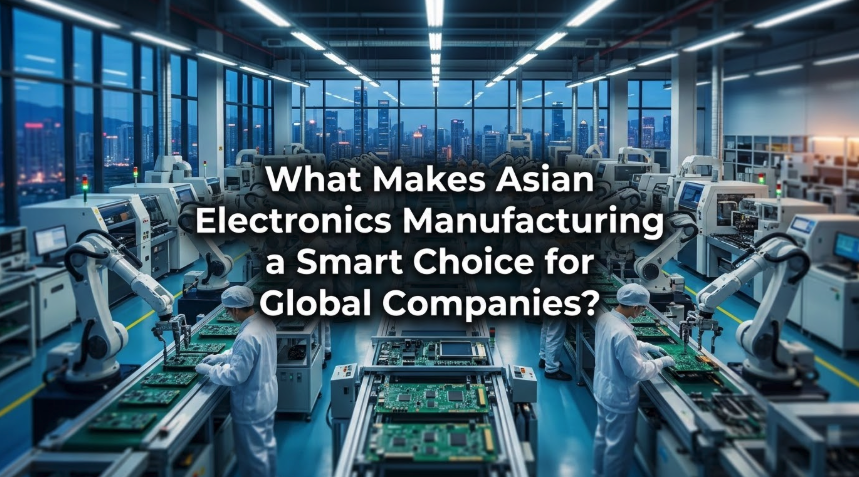
The Reality of Diversified Supply Chains
Relying on a single factory or region for your entire bill of materials is a fast way to bottleneck your product launch. US hardware companies learned this the hard way over the last few supply cycles.
The conversation has shifted from just chasing the lowest piece price to building a resilient and capable network of suppliers. Asia remains the center of gravity for electronics manufacturing because of its deep and established supply base.
You can find specialized facilities for every tier of production. It is not just about cheap labor anymore. It is about access to component ecosystems and engineering teams that do nothing but optimize assembly lines all day.
When you look at the entire continent, you see distinct pockets of expertise that cater to different product requirements. A successful hardware brand maps its product needs to the specific strengths of these regions.
Precision Manufacturing Where it Counts
When your product demands absolute reliability, the region you choose matters heavily. Think about medical devices, aerospace controls, or high end industrial sensors. In these sectors, the cost of a field failure completely wipes out any savings you might have gained on the assembly floor.
This is where established tech hubs really show their value. They have spent decades refining automated optical inspection and highly controlled cleanroom environments.
If you require flawless PCB assembly Japan maintains some of the most rigorous quality control frameworks in the world.
Their facilities often run highly automated lines with custom robotics designed to handle complex and tightly packed boards with zero defects.
The upfront tooling and setup costs might be higher, but the first pass yield usually justifies the investment. You are paying for consistency and the peace of mind that a batch of ten thousand units will behave exactly like your golden sample.
These factories excel at high mix, high reliability production where margin for error simply does not exist.
Rapid Scaling for Advanced Tech
On the other side of the spectrum, you have consumer electronics and smart appliances where speed to market dictates success. You need suppliers who can move quickly from the prototype stage into mass production without a six-month ramp-up period.
The infrastructure required to source components, mount them, and test them at breakneck speed is massive. For projects that involve high-density interconnects and need rapid PCB assembly Korea stands out as a massive operational advantage.
Facilities there are deeply integrated with major semiconductor and display ecosystems. They are completely accustomed to the brutal product cycles of modern hardware.
When a design revision drops from a US engineering team, these factories can pivot their surface mount technology lines and adjust their testing jigs overnight.
They understand that sitting on inventory is a massive liability and that hitting the retail shipping window is non-negotiable. They are built for scale and velocity.
The Economics of Physical Connections
Printed circuit boards get all the attention in hardware design, but the physical connections inside a device often cause the most production headaches.
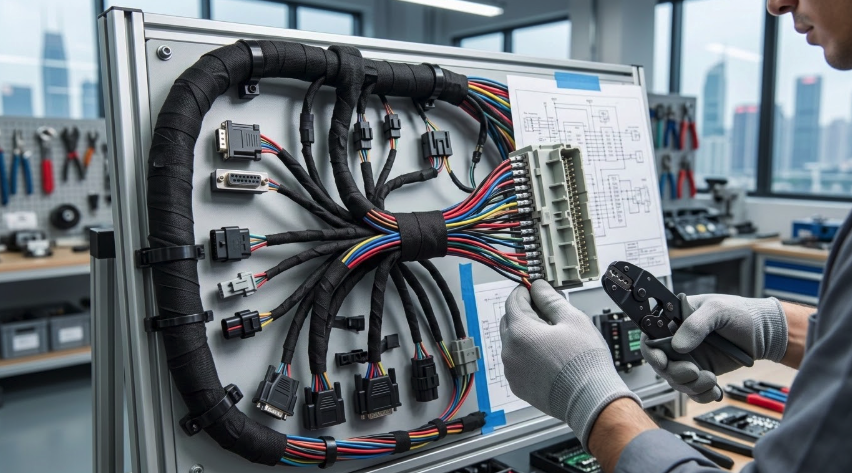
Cables and connectors are notoriously difficult to automate entirely. They still require a significant amount of manual routing, precise crimping, and physical testing.
If you are building electric vehicles, heavy machinery, or complex white goods, you need a partner with access to a large and skilled workforce that understands international quality standards.
This is a primary reason why many global companies look for a capable Wiring harness thailand partner. The region has built a massive footprint in automotive and industrial manufacturing over the last twenty years.
They have the labor pools required to handle complex, bulky cable assemblies at massive scale. More importantly, they have the testing infrastructure in place to run continuity and high voltage checks on every single harness before it gets packed into a shipping container. You get a balance of manual dexterity and strict industrial compliance.
Specialized Sub Assemblies and Final Integration
Not all cabling is purely about cost effective manual labor. Sometimes the connections carry high-frequency signals or operate in extreme thermal environments. In these edge cases, you are dealing with custom shielding, specialized overmolding, and strict impedance requirements.
It becomes a highly technical engineering task rather than just an assembly job. Engaging a dedicated wire harness south korea facility makes sense when the cabling needs to integrate directly with the advanced electronics being built next door.
Keeping the high-end cable production close to the complex board assembly cuts down on transit times. It allows for combined functional testing before the final enclosure assembly happens.
It saves money on shipping air across the Pacific Ocean and catches integration bugs on the factory floor instead of at your receiving dock in the US.
Moving Beyond the Spreadsheet
Finding the right factory is only the first step of a successful hardware program. Managing the relationship determines your actual landed cost.
A quote that looks amazing on a spreadsheet often hides poor design for manufacturing feedback or rigid minimum order quantities that will lock up your cash flow.
The best contract manufacturers act as an extension of your engineering team. They will tell you when a component you chose is about to go to the end of life.
They will suggest a slight layout change to reduce the time a board spends in the reflow oven. You have to establish clear communication channels and set expectations around reporting from day one.
Long Term Production Stability
Regular audits, clear testing protocols, and a mutual understanding of quality metrics keep the assembly lines running smoothly across time zones. You cannot just throw a design package over the wall and expect perfect units to show up at your warehouse three months later.
It requires constant engagement and technical alignment. The operational efficiency you get out of a well run Asian supply chain is unmatched, but it requires active management and a clear understanding of what each region does best.
Companies that recognize these regional specialties and map their supply chain accordingly are the ones that successfully scale their hardware without burning through their operating capital.
