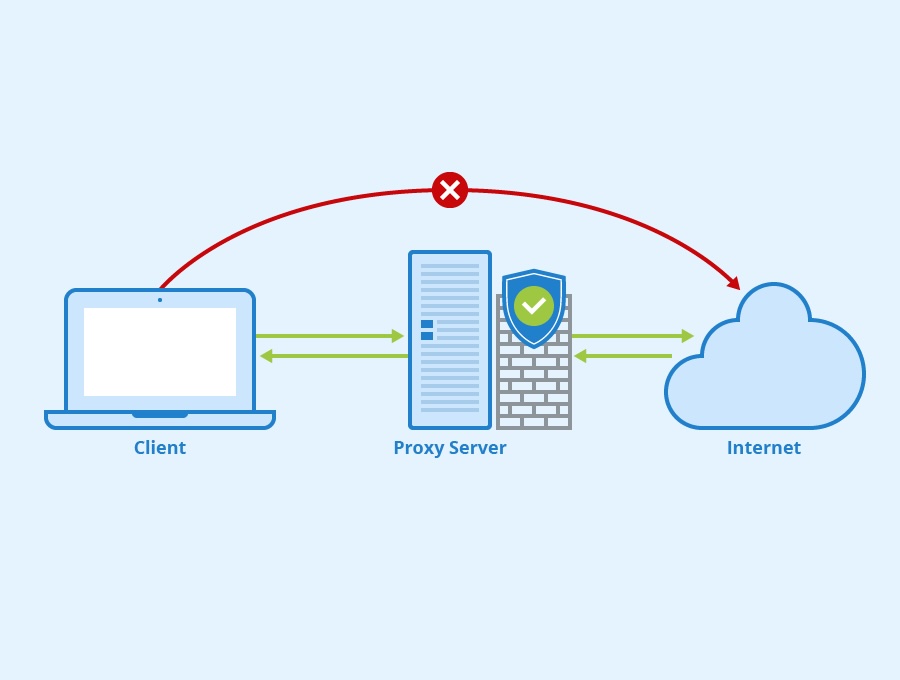
Pulling data at scale means fighting blocks, CAPTCHAs, and geo-restrictions at every turn. The right residential proxy network routes requests through real home IPs, so automated scrapers look like ordinary visitors rather than bots. These five providers cover different price points, pool sizes, and feature sets worth comparing before you commit to a plan. [Read more…] about 5 Best Residential Proxies for Web Scraping in 2026
Computing
When robots lose contact: Research examines the resilience of decentralized robot swarms
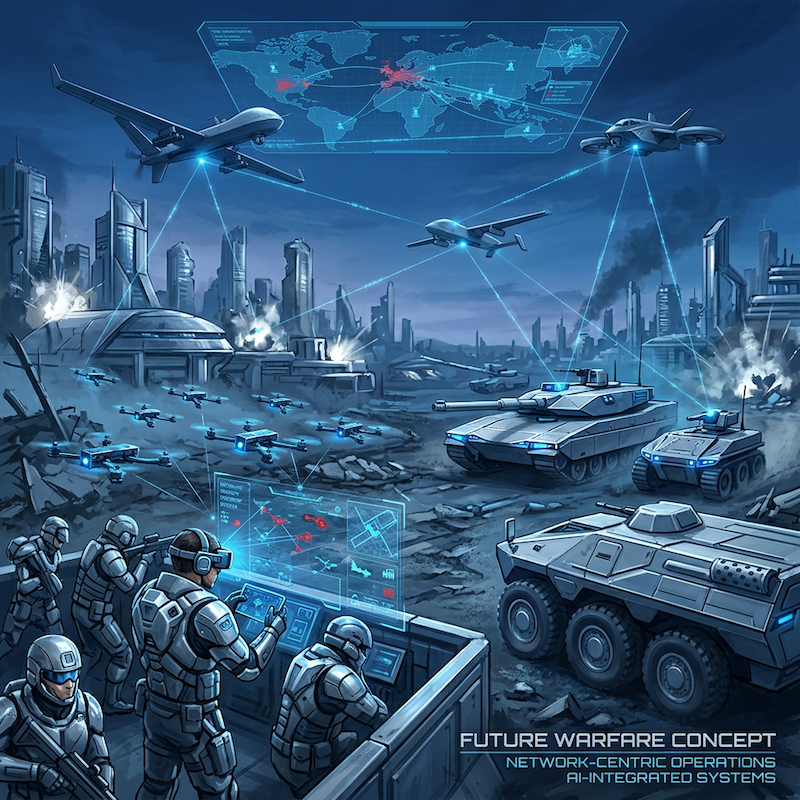
A robot that loses communication with the rest of its swarm may still be capable of performing useful work, according to new research examining how autonomous systems operate under deteriorating environmental conditions.
The computational robotics study, conducted by independent researcher Dhyan Ishwar Shaji and presented at the IEEE IECON 2026 conference, explores the advantages and limitations of decentralized robotic coordination.
Using pressure vessel inspection as the motivation for the research, Shaji examined how groups of robots could locate a target when their sensing, movement and communication capabilities were simultaneously compromised. [Read more…] about When robots lose contact: Research examines the resilience of decentralized robot swarms
Top UX Research Companies in 2027

User research failures cost a lot of money. At first glance this may not seem true since the money was free initially. However the true costs end up being a lot higher for most people.
This is becoming more common. It just costs more to fund two rework cycles through development than to fund one research sprint.
Here’s who’s doing the research work well in 2027. [Read more…] about Top UX Research Companies in 2027
How Reliable Network Infrastructure is Shaping the Future of Industrial Automation
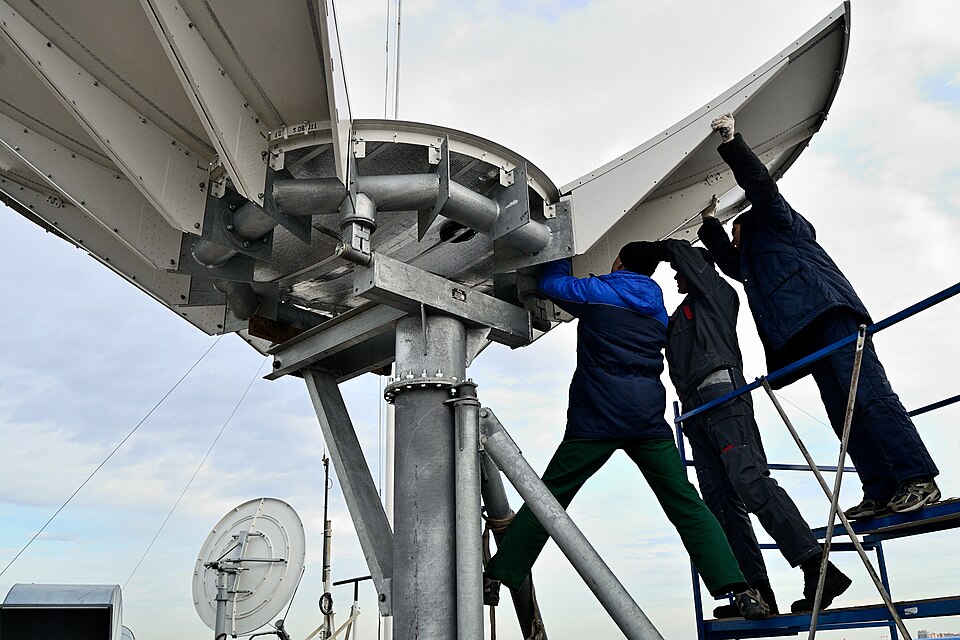
A robot cell stops mid-task, yet the maintenance crew finds nothing wrong with its mechanics. The interruption traces back to a delayed network message, leaving engineers investigating a connection rather than a motor.
Industrial automation now extends beyond fenced factory cells into mines, energy sites, warehouses, and moving fleets. Each additional camera, robot, and sensor adds traffic that must arrive in time for the equipment using it.
Reliable network infrastructure consequently belongs in the same engineering conversation as machine performance. That changes what reliability must mean for machines, rather than office users waiting for a file to download. [Read more…] about How Reliable Network Infrastructure is Shaping the Future of Industrial Automation
Path2 develops online robot cell builder to make automation more accessible
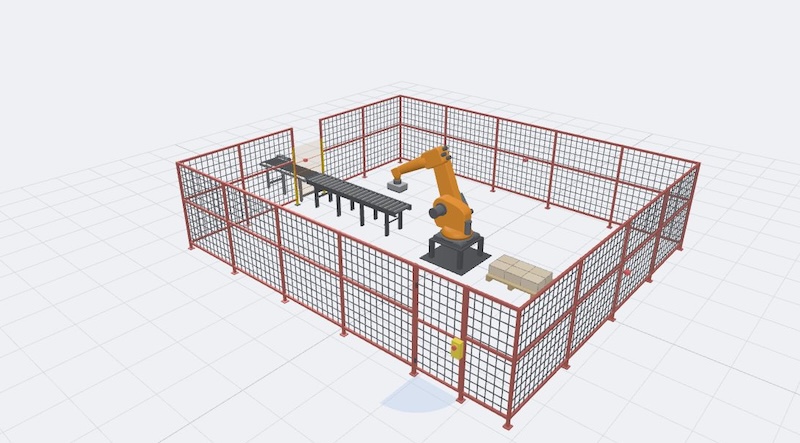
UK robotics software startup Path2 is developing a browser-based robot cell design and programming platform aimed at helping smaller manufacturers automate production processes without the need for substantial systems integration budgets.
Founded by Sam Reynolds, a chartered engineer and certified machinery safety expert, Path2 enables users to design robotic workcells by positioning robots, conveyors, pallets and safety guarding within a virtual environment.
Users can teach robot positions on screen, check whether the robot can reach the required locations and generate robot programs without manually writing code. [Read more…] about Path2 develops online robot cell builder to make automation more accessible
European automakers expand autonomous driving programs with Nvidia technology
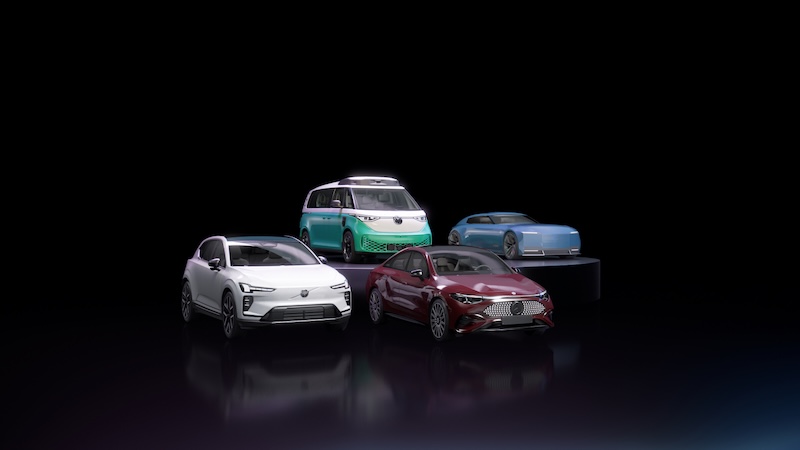
European automakers and mobility companies, including Mercedes-Benz, Volkswagen, Volvo Cars, Bolt and Einride, are expanding their autonomous driving programs through new technology partnerships and vehicle development initiatives.
The developments, announced at GTC Berlin, involve the use of Nvidia’s Hyperion computing platform and associated AI software to support advanced driver assistance, Level 3 automated driving and Level 4 autonomous vehicles.
The announcements cover passenger vehicles, robotaxis, autonomous freight trucks and public transportation, with several companies outlining plans for commercial operations in Europe. [Read more…] about European automakers expand autonomous driving programs with Nvidia technology
Nvidia expands Isaac robotics platform with new humanoid and AI development tools
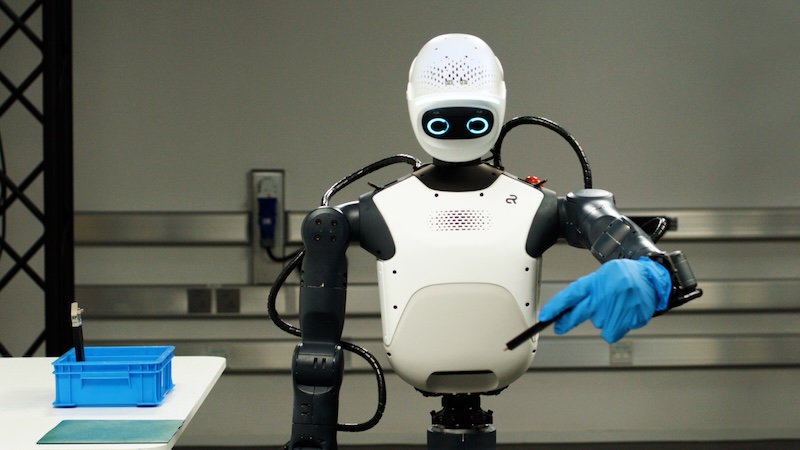
Nvidia has announced a major expansion of its Isaac robotics development platform, introducing new simulation frameworks, AI training tools, datasets and a reference humanoid robot designed to accelerate the development of general-purpose robotic systems.
The announcements, made at GTC Berlin, include Agile ONE SN, a humanoid research platform developed by Agile Robots, alongside updates to Isaac Lab, a new Isaac OS runtime and additional resources for robot learning and simulation.
Jensen Huang, founder and CEO of Nvidia, says: “General-purpose robotics is advancing at extraordinary speed – the ChatGPT moment for robotics is fast approaching.” [Read more…] about Nvidia expands Isaac robotics platform with new humanoid and AI development tools
European manufacturers expand use of AI and digital twins in engineering and production
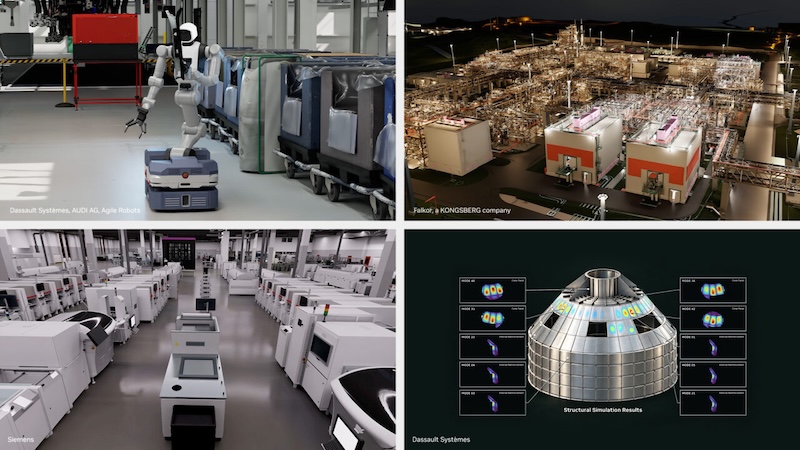
European industrial companies including Siemens, Mercedes-Benz, Audi and Volkswagen are expanding their use of artificial intelligence, simulation and digital twins to improve engineering, manufacturing and factory operations.
The developments were outlined by Nvidia at its recent GTC Berlin event, where the company highlighted industrial applications of its CUDA-X, Omniverse, Cosmos and Isaac technologies.
Nvidia also introduced early access to its Factory Operations Blueprint (FOX), a software framework designed to help developers create AI agents that monitor factory operations, investigate production problems and coordinate activities across equipment and systems. [Read more…] about European manufacturers expand use of AI and digital twins in engineering and production
Kakao Mobility partners with Nvidia to develop Level 4 autonomous driving technology
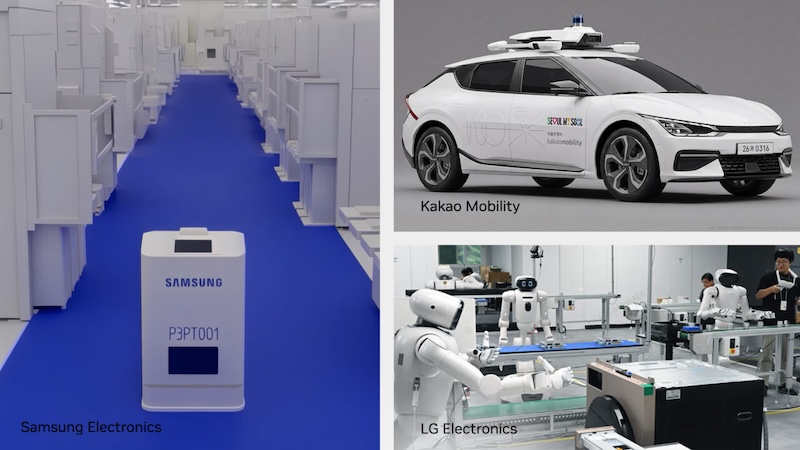
South Korean mobility platform provider Kakao Mobility has signed a memorandum of understanding with Nvidia to develop Level 4 autonomous driving technology, with initial applications planned for Kia’s purpose-built vehicles (PBVs).
The collaboration will combine Kakao Mobility’s proprietary autonomous driving software with Nvidia’s computing, sensor and safety technologies to support the development of driverless mobility services in South Korea.
The agreement builds on Kakao Mobility’s experience operating autonomous vehicles in Seoul’s Gangnam district, where the company has been testing its driving technology in urban environments. [Read more…] about Kakao Mobility partners with Nvidia to develop Level 4 autonomous driving technology
Algorithmic Scrutiny on Social Platforms: Evaluating TikTok Profile Expansion and Bot Detection

Social media platforms deploy incredibly sophisticated machine learning models to monitor account activity in 2026.
TikTok’s moderation infrastructure relies heavily on pattern recognition to separate genuine human interaction from automated scripts.
For everyday users looking to build a personal community, understanding how these algorithms function is essential. [Read more…] about Algorithmic Scrutiny on Social Platforms: Evaluating TikTok Profile Expansion and Bot Detection