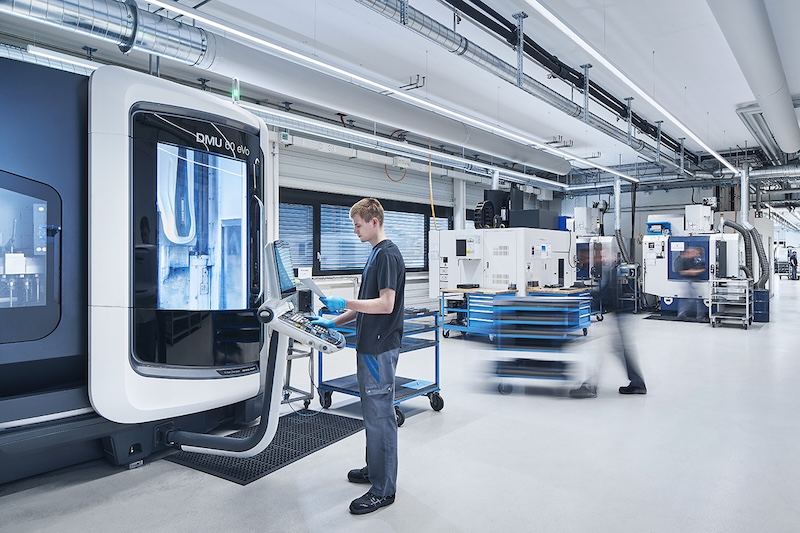
Robotics is often discussed through software, sensors, artificial intelligence, and automation platforms. Those areas deserve attention, but they are not the whole story.
Every robot still depends on physical parts that move, grip, cut, guide, press, rotate, and repeat the same motions for thousands or millions of cycles. That is where material choice becomes more important than many people realize.
As robots move into more demanding industrial settings, the question is no longer only what a robot can do. It is also how long that robot can do the work accurately.
A robotic arm on an assembly line, a gripper in a packaging facility, a medical device component, or a machine tending system all rely on parts that face friction, pressure, heat, impact, and wear.
Tungsten carbide has become one of the materials that helps answer those demands. Known for hardness, strength, and resistance to wear, it plays a quiet but important role in keeping automated systems consistent over time.
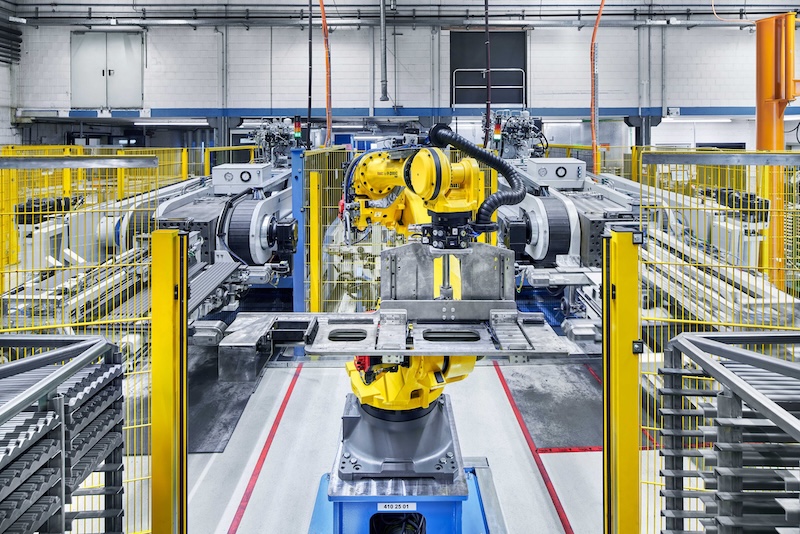
1. Tungsten Carbide Manufacturing Gives Robotics a Stronger Physical Foundation
In robotics, small failures often create large problems. A worn pin, damaged guide, dull edge, or imprecise tooling surface can interrupt production, reduce accuracy, or force maintenance teams to stop a line. In high-volume environments, that kind of downtime carries a real cost.
This is one reason tungsten carbide manufacturing is so relevant to advanced robotics. The process allows engineers to create components that can withstand demanding motion, contact, and pressure without losing their shape as quickly as softer metals.
Unlike standard steel parts, tungsten carbide components are used where wear is not a minor inconvenience. It is a central design concern.
In robotics, that matters because machines do not simply perform tasks once. They repeat them continuously, often under tight tolerances. Common robotic applications include:
- Wear parts in automated handling systems
- Precision pins, bushings, and guides
- Tooling used in robotic machining or forming
- Gripper inserts for abrasive or difficult materials
- Components used in inspection, cutting, pressing, or assembly
When the physical part holds its shape longer, the robot has a better chance of maintaining repeatable performance. That is the foundation of reliable automation.
2. Better Wear Resistance Helps Automation Stay Predictable
Automation depends on predictability. A robot that performs well at the start of a shift but drifts out of tolerance later creates problems for engineers, operators, and production managers. Wear is one of the reasons that happens.
Every moving system has contact points. In robotics, those contact points often face repeated sliding, clamping, rotating, or pressing. Over time, friction changes the surface of a part. That change affects alignment, grip strength, movement, and final product quality.
Tungsten carbide helps reduce that risk because it is much harder than many traditional metals. It resists abrasion and surface deformation, which is valuable in robotic systems that handle metal, composites, glass, plastics, ceramics, or other tough materials.
This does not mean every robotic component needs carbide. Smart engineering is about using the right material in the right place. But when a part faces constant wear, carbide helps extend service life and reduce maintenance frequency.
For manufacturers, that has practical value. Fewer worn parts mean fewer interruptions. Fewer interruptions mean a more stable production schedule. In industries where automation is tied directly to output, that stability often matters as much as speed.
3. Precision Components Help Robots Hold Accuracy Over Time
Accuracy is one of the main reasons companies invest in robotics. Robots place, cut, inspect, weld, sort, and assemble with a level of consistency that supports modern manufacturing. But that accuracy depends on the condition of the components inside and around the system.
A robot’s software only goes so far if the physical tooling starts to change shape. If a gripper insert wears down, the contact point changes. If a guide pin loses precision, alignment suffers. If a forming tool degrades, finished parts drift outside specification.
This is where tungsten carbide manufacturing becomes part of the larger accuracy conversation. Carbide components are often used in environments where tight tolerances need to be maintained through repeated cycles. That makes the material useful in industries such as:
- Automotive manufacturing
- Electronics assembly
- Medical device production
- Aerospace components
- Battery manufacturing
- High-volume packaging and material handling
In each of these sectors, precision is not just about making one good part. It is about producing the same quality part again and again. Durable materials help robots hold that standard longer.
4. Next-Generation Robots Need Materials That Match Their Workload
Robots are taking on more difficult jobs. They are no longer limited to simple pick-and-place tasks or fixed assembly motions. Modern systems handle varied materials, perform delicate operations, work near people, and support high-speed production. That creates new demands on component design.
A robot working in a warehouse has different needs from one used in CNC machine tending. A collaborative robot in light assembly faces different stresses than a robotic system used in metal forming. A medical robotics platform requires a different level of cleanliness and precision than a robot used in heavy industrial processing. Still, many systems share the same basic challenge. The components must last.
Tungsten carbide gives engineers another option when standard materials reach their limits. It fits applications where hardness, dimensional stability, and wear resistance are more important than low-cost replacement.
That becomes especially important as automation moves into facilities where uptime expectations are high. A robot is not valuable only because it moves quickly. It is valuable because it performs reliably, safely, and consistently as part of a larger operation.
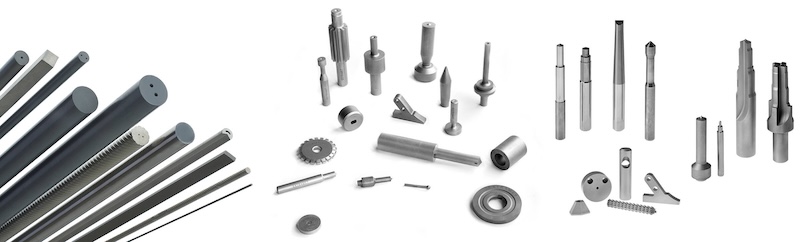
5. Carbide Tooling Supports Robotic Machining and Finishing
Robotics and machining are becoming more closely connected. Robots are used for deburring, grinding, polishing, trimming, cutting, drilling, and finishing. These tasks place serious demands on tooling.
When a robot performs a finishing operation, the tool must maintain its edge or surface condition. If it wears unevenly, the final result changes. That leads to rough finishes, inconsistent dimensions, rejected parts, or extra manual work.
Tungsten carbide tooling is valued in these applications because it holds up under abrasive conditions. It helps robotic systems perform physical tasks that involve repeated contact with hard or difficult materials.
For example, robotic finishing systems used in metal manufacturing rely on both motion control and tool durability. The robot follows a precise path, but the tool must also remain stable enough to deliver the expected finish. The same principle applies when robotic cutting or drilling must meet strict part requirements.
In that sense, carbide is not separate from automation performance. It is part of the performance chain. Software guides the motion. Sensors support feedback. Tooling carries out the work.
6. Material Durability Reduces Hidden Costs in Automation
When companies evaluate automation, they often focus on the robot, the integration cost, and the expected labor savings. Those numbers matter, but they do not tell the whole story.
The hidden costs often appear later.
Maintenance, replacement parts, quality issues, downtime, and production delays can change the economics of an automation project. A system that looks efficient on paper becomes less attractive if it requires constant adjustment or frequent part replacement.
Durable components help protect that investment. A carbide part that lasts longer than a softer alternative reduces maintenance stops and helps keep the system running closer to its intended performance level.
This is especially relevant in high-volume production, where small interruptions multiply quickly. A short stoppage on a single line affects staffing, shipping, inventory, customer deadlines, and downstream operations.
Tungsten carbide manufacturing supports this side of automation by focusing on parts built for extended use. The benefit is not always dramatic in the moment. It is seen over time, through steadier production and fewer surprises.
7. Grade Selection Matters as Much as the Material Itself
Not all carbide parts perform the same way. The grade, binder content, grain structure, geometry, finish, and intended use all affect performance. For robotics engineers and buyers, that makes selection more than a purchasing decision.
A part used for locating and guiding has different needs than a cutting tool. A wear insert in a packaging line faces different conditions than a carbide punch in a forming operation. A component used around abrasive materials needs a different balance than one exposed to impact or corrosion. Good material planning looks at the actual work the part must do. That includes:
- The type of contact the component faces
- The amount of wear, pressure, or impact involved
- The tolerance required for repeatable movement
- The surface finish needed for the application
- The cost of downtime if the part fails early
This is where experienced tungsten carbide manufacturing becomes valuable. It connects material choice with the realities of production. The goal is not just to make a hard part. The goal is to make the right part for the conditions it will face.
8. Robotics Design Is Becoming More Materials-Aware
The next stage of robotics will not be shaped by software alone. Engineers are paying closer attention to how mechanical design, materials, controls, tooling, and production realities work together.
That is a healthy shift. A robot is not just a digital system with moving arms. It is a machine that lives in the physical world. It deals with dust, heat, vibration, pressure, friction, chemicals, impacts, and human expectations. The better the materials match the job, the better the system performs.
This is why material selection belongs earlier in the design process. Instead of waiting for components to fail and then searching for stronger replacements, robotics teams can identify high-wear areas from the start.
That approach leads to better decisions. Engineers can choose tougher materials for the parts that face the most stress. Buyers can think beyond the lowest piece price. Production managers can reduce the number of maintenance problems that show up after installation. In robotics, durability is not an afterthought. It is part of performance.
9. Tungsten Carbide Fits the Future of Industrial Robotics
The future of robotics is often described in terms of intelligence, adaptability, and connectivity. Those themes matter, but they still depend on machines that can survive real work.
Factories, warehouses, labs, and production floors do not reward fragile systems. They reward equipment that can repeat, adjust, endure, and deliver consistent results. Tungsten carbide fits into that future because it supports the physical side of robotic progress.
As robots become more capable, the materials inside their tooling, guides, grippers, wear parts, and precision components will receive more attention. Stronger materials will not replace better software or smarter sensors. They will support them.
That balance is important. A next-generation robot needs intelligence, but it also needs a body built for the job. Tungsten carbide manufacturing helps create that foundation by giving engineers access to components designed for wear, pressure, and precision.
Final Thoughts
Robotics is moving into a more demanding phase. Machines are expected to work longer, handle tougher tasks, and support production environments where consistency matters every hour of the day. That puts more pressure on the components that keep these systems moving.
Tungsten carbide does not draw the same attention as artificial intelligence or machine vision, but it plays a practical role in the future of automation. It helps robots stay accurate, reduces wear in high-contact areas, and supports the kind of reliability that modern manufacturers need.
In next-generation robotics, performance is not only about smarter controls. It is also about stronger parts, better materials, and engineering choices that hold up in the real world.
