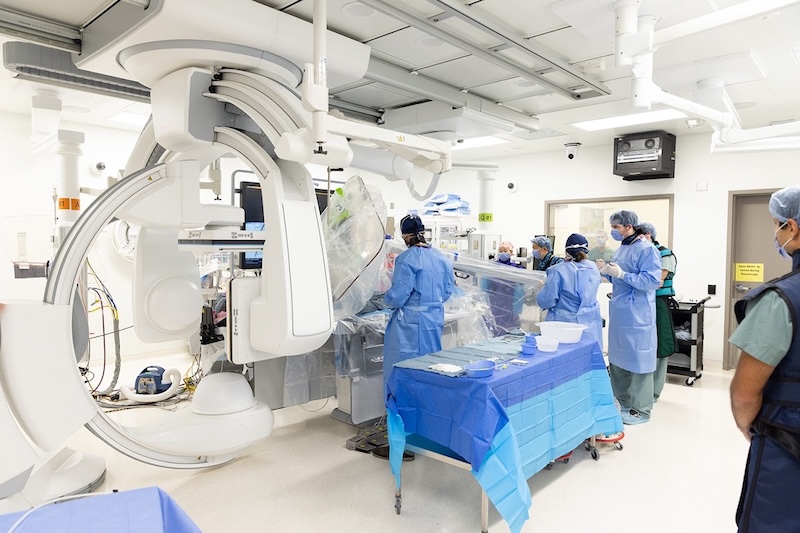
Remedy Robotics, a San Francisco-based medical robotics company, has raised $62 million in Series B funding to advance its AI-enabled N1 System for cardiovascular and neurovascular procedures.
The funding will support clinical trials, regulatory approval efforts and further development of the robotic platform, which is designed to enable endovascular procedures through on-site, remote and potentially autonomous operation.
The round was led by DCVC, with participation from UC Investments, Skip Capital and Hostplus. Existing investors, including Build Collective, Blackbird, Divergent Capital and KdT Ventures, also participated.
Remedy plans to conduct a pivotal clinical trial in partnership with the University of California as it works toward potential FDA approval for neurovascular intervention.
Dr. David Bell, CEO and co-founder of Remedy Robotics, says: “This funding will allow us to accelerate toward deployment of our N1 System so we can bring quality intervention to patients everywhere, regardless of geography.”
Developing robotic intervention capabilities
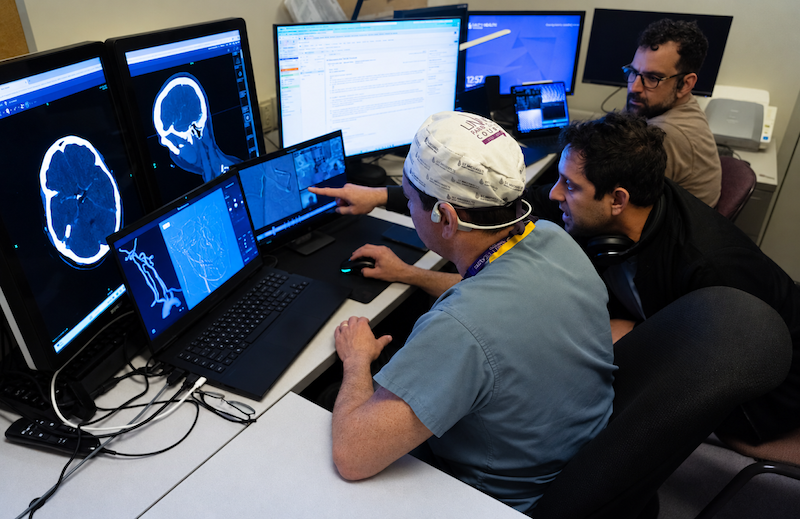
The N1 System combines robotics, machine learning and computer vision to analyze preoperative imaging, simulate procedures and provide real-time image registration.
Remedy is also developing autonomous capabilities intended to enable the system to complete endovascular procedures robotically.
The company says it works with more than 100 hospitals worldwide and plans to introduce prototype systems across its clinical partner network.
In October 2025, Remedy reported completing remote neurointerventional procedures using the N1 System.
Jake Sganga, CTO and co-founder, says: “We are particularly excited to deepen our partnership with the University of California, having worked closely with their clinical experts since 2021, and as we prepare for our planned pivotal clinical trials to be held across the UC network.”
Remedy aims to expand access to specialist treatment for stroke and other cardiovascular emergencies, particularly in regions where qualified intervention specialists are unavailable.
The N1 System remains under development and is not approved for sale or clinical use in any jurisdiction.
