Volkswagen is developing a shared artificial intelligence data platform for autonomous vehicle development, working with Porsche, Voxel51, Microsoft and Nvidia to improve how driving data is used for simulation, training and testing.
The initiative, announced at Nvidia GTC Berlin on October 21, brings together technologies intended to help Volkswagen Group brands develop and validate advanced driving systems more efficiently.
Porsche is leading the initial implementation, with support from Volkswagen’s software subsidiary Cariad and the technology partners.
According to Voxel51, the collaboration could reduce repeated physical test drives by up to 90 percent and shorten AI regression testing cycles by up to 85 percent.
Turning driving data into AI training material
The project centers on what the companies describe as an autonomous vehicle “data flywheel”, connecting information collected from vehicles on public roads with simulation, model training and software validation.
Volkswagen says its connected fleet generates driving data equivalent to approximately 11,000 average drivers each day.
Voxel51 provides the data management platform, using its FiftyOne technology to organize driving recordings, identify relevant scenarios and prepare datasets for AI training.
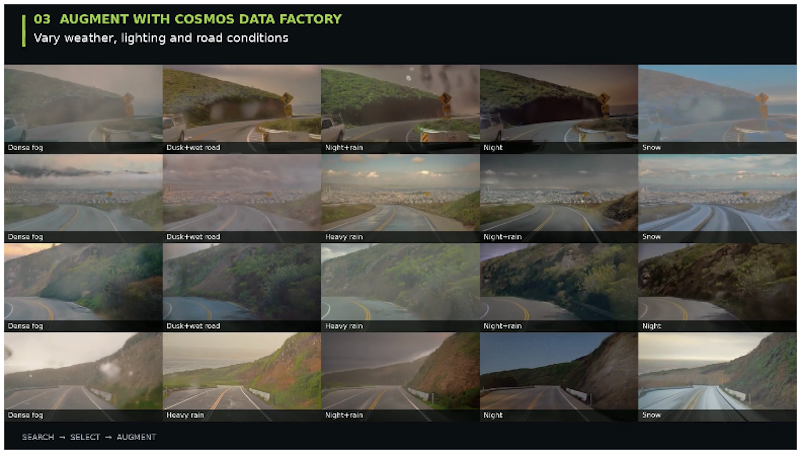
Nvidia contributes simulation and data-generation technologies, including Omniverse NuRec and Cosmos, while Microsoft’s Azure cloud infrastructure supports data processing and storage.
Brian Moore, CEO of Voxel51, says: “The key to really industry-leading performance is to harness the data that your company has access to. You need to own the development and iteration loop, even if you don’t build every layer of the stack yourself.”
Reducing dependence on physical testing
One of the first applications involves reconstructing real-world driving situations in virtual environments, allowing engineers to test software updates against repeatable scenarios.
Voxel51 says its system performs approximately 80 checks on recorded driving data, covering sensor integrity, calibration, timing and other factors that could affect simulation accuracy.
Engineers can then review reconstructed scenarios before approving them for testing or further training.
The approach is intended to make driving software validation more consistent while reducing the cost and time associated with repeated road testing.
The companies envisage sharing validated driving scenarios across Volkswagen Group brands and vehicle programs, allowing information gathered during one project to contribute to future autonomous driving development.
