Software provider Graitec has unveiled a three-stage artificial intelligence strategy aimed at the architecture, engineering, construction and operations (AECO) sector, arguing that the industry’s biggest challenge is not generating content with AI but ensuring the results can be trusted in real-world projects.
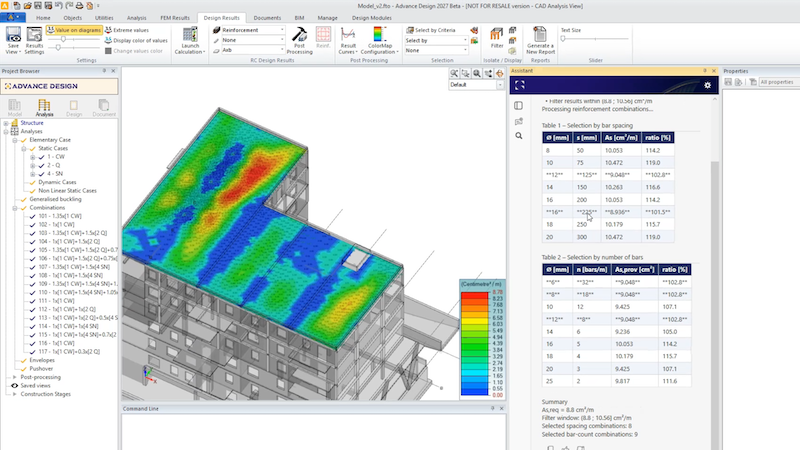
The company says it is embedding AI directly into engineering, fabrication and construction workflows rather than treating it as a standalone assistant layered on top of existing design software.
The announcement comes as AI adoption accelerates across the built environment sector, where engineers and contractors face growing pressure to improve productivity while maintaining compliance with design standards, safety regulations and project requirements.
Graitec’s roadmap is built around three development stages. The first focuses on AI-assisted workflows that provide guidance, access to knowledge and productivity improvements for engineers, BIM managers, detailers and fabricators. The second phase expands into workflow automation, with AI handling repetitive tasks and coordination processes between design, fabrication and construction teams.
The third phase is the most ambitious, envisioning AI systems capable of generating optimized, code-compliant and fabrication-ready designs directly from project requirements.
Emmanuel Leroy, chief product and strategy officer at Graitec, says: “In AECO, AI can generate, but generating without accountability is not enough. The real challenge is ensuring what gets generated can be trusted, audited, and signed off on real projects. That’s the bar we are building to.”
Unlike consumer AI applications, engineering software must operate within strict technical and regulatory constraints. Graitec says its approach combines AI with deterministic engineering and calculation engines, enabling designs and recommendations to be validated against established standards.
The company says its AI systems will operate within structural design codes, fabrication requirements and company-specific rules, while keeping architects, engineers, fabricators and contractors responsible for final decisions.
Leroy says: “We have 40 years of domain expertise embedded in our software. AI doesn’t replace that; it unlocks it. That’s the difference between adding AI and harnessing it.”
A key element of the strategy is what Graitec describes as a “shift-left” approach, introducing AI earlier in the project lifecycle. The company believes this could allow teams to generate, simulate and validate design options before projects reach detailed engineering or construction stages, reducing costly rework and fabrication errors.
Graitec says AI capabilities are already being deployed across its software portfolio, beginning with assistive functions and expanding toward more automated design-to-fabrication workflows. Additional product announcements are expected in the coming days.
