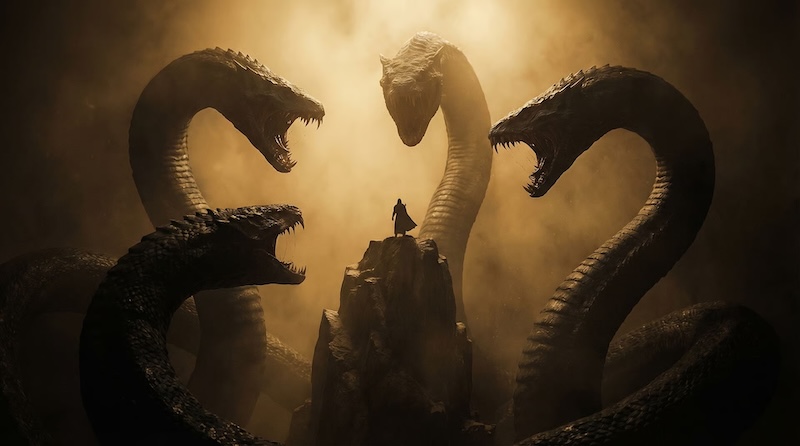
Creating a memorable character has always been one of the most demanding parts of visual storytelling. Whether it is a film protagonist, a game character, an animated mascot, or a digital influencer, a character needs more than an attractive appearance. It needs personality, consistency, context, and a visual identity that audiences can recognize.
Artificial intelligence is changing how creators approach this process.
Instead of developing every character element manually from the beginning, creators can now use AI to explore concepts, test visual styles, and build character-driven worlds much faster.
Character Design is Becoming More Experimental
Traditional character development often begins with sketches and gradually moves toward refined concept art.
This process can take considerable time, especially when creators need to explore multiple possibilities.
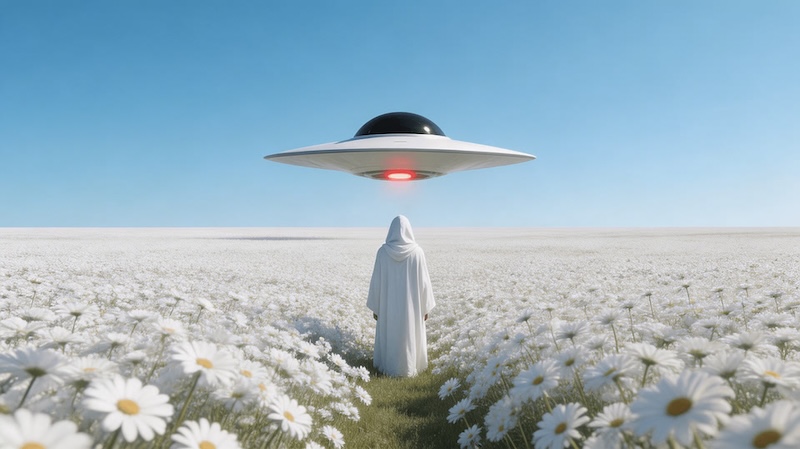
AI introduces a faster experimentation layer.
A creator can describe a character’s appearance, clothing, personality, environment, and artistic style, then generate several interpretations of the concept.
An AI character generator can be particularly useful during this early stage because it allows creators to explore different character directions before committing to a final design.
The goal isn’t necessarily to accept the first result. Instead, the generated concepts can help answer an important question:
- What should this character actually look and feel like?
From Character Ideas to Visual Identity
A strong character needs a recognizable visual identity.
Consider a fictional detective. Simply describing the character as “a detective” isn’t enough.
The creator might imagine:
- A distinctive coat
- A particular hairstyle
- A recognizable color palette
- A specific facial expression
- A signature accessory
- A particular environment
AI can help creators experiment with these elements and determine which combinations create the strongest identity.
This makes character development more exploratory rather than linear.
Building Characters With an AI Image Generator
Character creation rarely ends with a single portrait.
Once a basic design has been established, creators may need to visualize the character in different environments and situations.
An AI image generator can help explore these variations.
The same character concept might be placed in:
- A futuristic city
- A fantasy landscape
- A modern office
- A historical setting
- A cinematic action scene
These visual experiments can help creators understand whether the character works beyond a single image.
Consistency is the Real Challenge
Generating one impressive character image is relatively easy compared with maintaining the same character across an entire project.
A film, game, comic, or marketing campaign may require the character to appear in dozens of scenes.
The character needs to remain recognizable even when the:
- Pose changes
- Clothing changes
- Camera angle changes
- Environment changes
- Lighting changes
- Expression changes
This is where creative workflows become more important than simply generating individual images.
Creators need references, defined visual characteristics, and a consistent approach to prompting and editing.
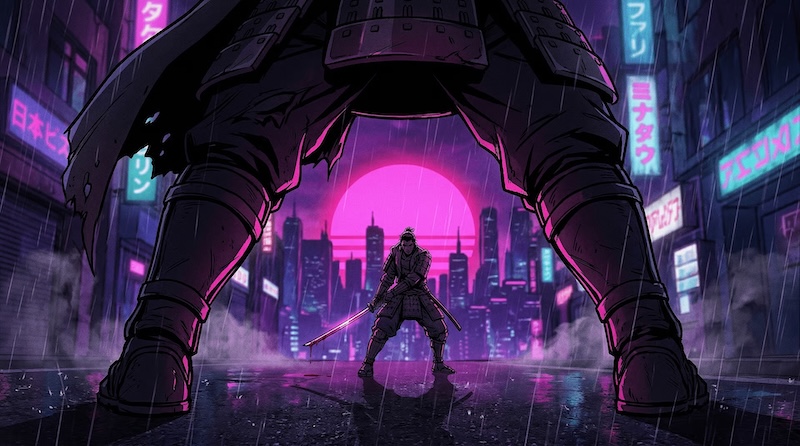
AI Characters for Storytelling
Characters become more valuable when they are connected to a story.
AI can help creators explore how a character might behave in different situations.
For example, a creator developing a fantasy story could visualize the same character before and after a major event in the narrative.
The character’s clothing, environment, expression, and body language could communicate changes in the story without requiring lengthy explanations.
This demonstrates an important principle:
- AI-generated visuals are most powerful when they support storytelling rather than simply creating attractive pictures.
Beyond Film and Games
AI character creation isn’t limited to entertainment.
Businesses are also experimenting with fictional characters for branding, education, advertising, and social media.
A company could create a recognizable digital mascot and use it across different campaigns.
An educational platform might develop a character that guides students through lessons.
A marketing team could use a fictional personality to make a campaign more memorable.
In these cases, the character becomes part of the brand’s communication strategy.
Virtual Influencers and Digital Personalities
Another growing application is the development of digital personalities.
AI-generated characters can be designed with specific appearances, personalities, and communication styles.
They can appear in social content, promotional campaigns, interactive experiences, and other digital environments.
However, successful digital characters require more than attractive visuals.
They need a clear personality and consistent identity.
Audiences are more likely to remember a character that feels distinctive than one that simply looks impressive.
AI as a Character Brainstorming Partner
One of the most useful ways to think about AI character tools is as creative brainstorming systems.
A creator may begin with a simple concept:
- A young explorer discovering an abandoned city.
From there, AI can help explore different visual interpretations.
- Is the character a scientist?
- An adventurer?
- A journalist?
- A survivor?
- A futuristic archaeologist?
Each interpretation creates a different story.
The technology therefore doesn’t just generate images. It can help creators discover ideas they hadn’t initially considered.
Combining Characters With Environments
A character rarely exists in isolation.
The environment surrounding a character can reveal information about their world, personality, and story.
An AI image generator can help creators experiment with both sides of this relationship.
A character standing in a bright futuristic laboratory communicates something very different from the same character standing in a dark abandoned building.
Changing the environment can therefore change the meaning of the character without changing their basic design.
The Human Creative Role
Despite rapid advances in AI, human direction remains essential.
Creators still need to determine:
- What the character represents
- Who the audience is
- What story the character supports
- Which visual elements are important
- How the character should evolve
- What makes the design distinctive
An AI character generator can provide possibilities, but creative judgment determines which possibility is worth developing.
This is similar to working with a traditional concept artist: the tool can contribute to the visual process, while the creative vision comes from the person directing the project.
The Risk of Generic AI Characters
As AI-generated imagery becomes more common, another challenge is emerging: visual sameness.
Many AI-generated characters can share similar aesthetics, facial structures, lighting, and compositions.
Creators therefore need to think beyond technical quality.
A character becomes memorable because of its concept, not simply because the image looks realistic.
Distinctive clothing, unusual proportions, strong personality traits, cultural details, storytelling context, and unique visual motifs can help a character stand apart.
Where Character Creation is Going
The future of AI character design is likely to involve more than generating individual portraits.
Creators may increasingly develop complete character systems that include:
- Character design → Expressions → Poses → Environments → Story scenes → Animation
This could allow a single character concept to become the foundation for an entire creative universe.
An AI image generator can support the visual development of that world, while specialized character tools can help maintain the identity of the characters within it.
Conclusion
AI is changing character design by making experimentation faster and giving creators more opportunities to explore visual ideas.
An AI character generator can help transform a basic concept into multiple character directions, while an AI image generator can place those characters into different environments, scenes, and storytelling contexts.
But the strongest AI characters won’t necessarily be the most technically impressive ones.
They will be the characters with a recognizable identity, a compelling story, and a reason for audiences to remember them.
That is where human creativity and AI can work together most effectively: AI expands the possibilities, while creators decide which possibilities are worth turning into a story.
