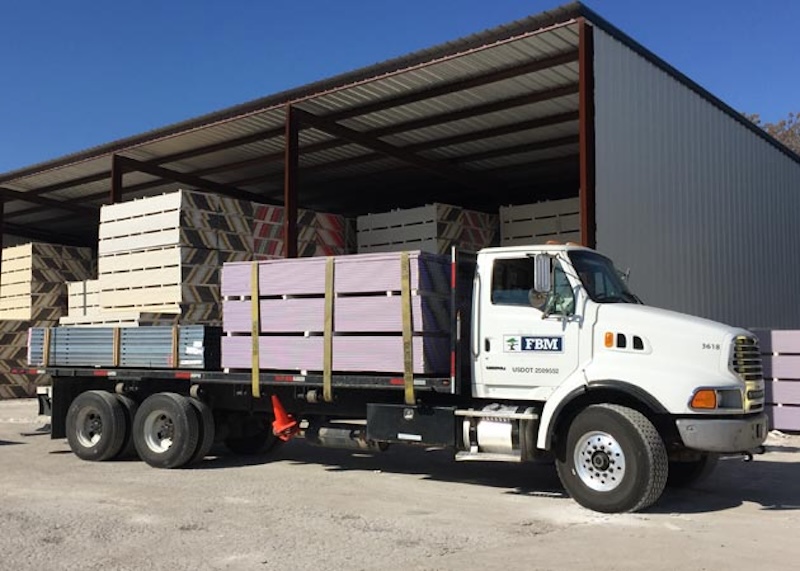
You notice it early on a job site when efficiency starts to slip. Small delays often build into larger setbacks that affect the whole schedule.
In modern construction, you work in an environment where margins depend on timing as much as skill. Rising material costs and tighter deadlines push you to think more carefully about how every stage connects.
By improving efficiency, you don’t just speed things up – you reduce waste, keep teams focused, and make it easier to deliver projects that stay on budget without adding pressure to already stretched crews.
The importance of material planning in large projects
Material planning plays a central role in keeping construction timelines on track. You often see delays when teams fail to align procurement with on-site progress. If steel, timber, or any other fixtures arrive too early, they create storage issues. If they arrive late, work stops.
You avoid this by building a clear forecast before work begins and updating it as the project develops. When you map delivery schedules against each construction phase, you give site managers a clearer flow of work.
For example, a housing development in multiple phases runs more smoothly when materials for each block arrive just ahead of installation rather than in bulk at the start. This reduces clutter on site and keeps teams working without interruption.
Managing costs without compromising quality
Cost control challenges you on every project but cutting price alone often leads to higher long-term spend. You see this when cheaper fittings fail early or when low-grade materials increase maintenance requirements after handover.
You improve results when you focus on value rather than initial cost. You compare suppliers not just on price, but on durability and lead times. For instance, choosing a slightly more expensive insulation material can reduce rework later if it installs faster and performs more consistently on site.
Choosing the right materials for scalable growth
As your projects scale, consistency becomes harder to maintain if you switch materials too often. You slow teams down when they need to adjust methods between sites or adapt to unfamiliar products.
You improve efficiency when you standardise materials across similar builds. Many contractors evaluate options such as drywall board, steel framing and concrete panels to find what best supports speed and repeatable quality.
When your teams understand one system well, they work faster and make fewer mistakes. This consistency also helps you train new workers more efficiently because they follow familiar processes across different sites.
Building strong supplier relationships for long term success
You rely heavily on suppliers to keep work moving, so the strength of those relationships directly affects your output. When communication breaks down, deliveries slip and your schedule absorbs the impact.
You improve reliability when you treat suppliers as long-term partners rather than one-off providers. Regular communication helps you anticipate shortages and adjust orders early.
For example, a supplier who understands your upcoming workload can reserve stock or prioritise your deliveries during busy periods.
Over time, this consistency reduces disruption and gives you more control over complex builds, especially when managing multiple sites at once.
