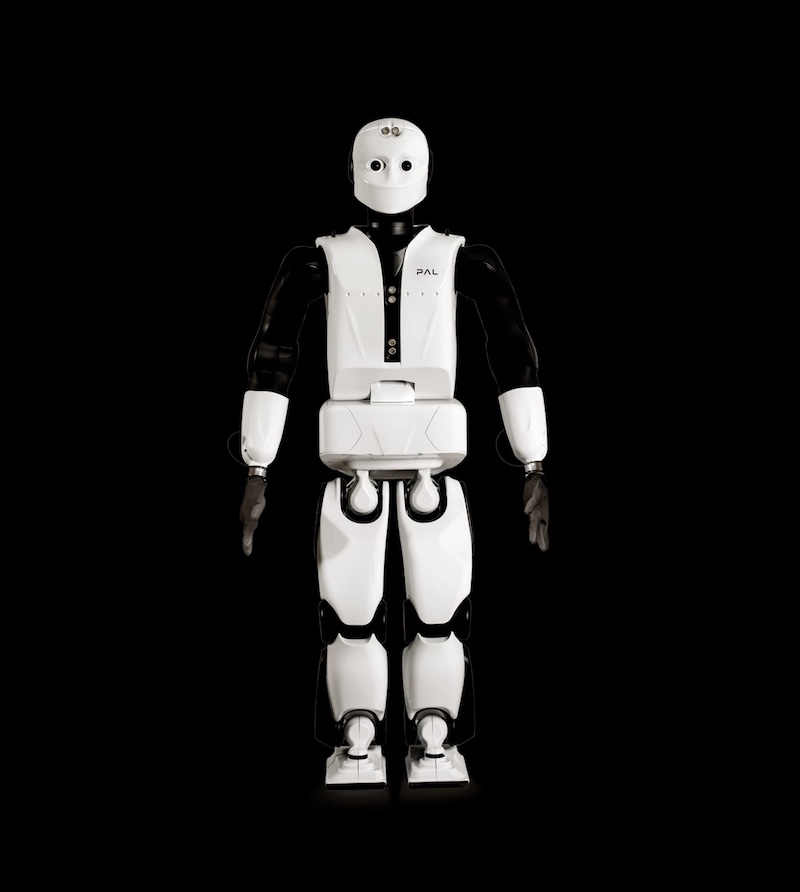
PAL Robotics has announced a new robotic arm platform aimed at researchers, developers, and robotics engineers working on advanced manipulation applications.
The Barcelona-based robotics company, known for platforms including TIAGo Pro and Kangaroo, said the new system has been designed to make robotic manipulation more accessible, flexible, and easier to deploy across both research and real-world operational environments.
The company plans to officially unveil the platform at ICRA 2026 in Vienna, where it will reveal the robot’s name, full specifications, and live demonstrations.
According to PAL Robotics, the new platform is designed for users ranging from academic research teams to commercial developers seeking a lightweight, portable manipulation system built around open robotics standards.
The robot is based on ROS 2 and ros_control architecture, featuring a 1 KHz low-level control loop intended to support demanding research and automation tasks.
The robotic arm includes seven degrees of freedom for complex manipulation applications and weighs less than 10 kg while supporting a payload capacity of 3 kg.
At the center of the platform are the company’s proprietary Series Elastic Actuators, or SEA Arms, technology already used in TIAGo Pro and Kangaroo robots.
PAL Robotics says the actuator design enables safe and flexible interaction while maintaining precise control performance.
Unlike many industrial robotic systems that rely on separate external control hardware, the platform integrates its power board and user panel directly into the robot base. The system can be controlled using a standard PC or laptop and also supports wireless operation.
The company says the design simplifies deployment and portability while allowing the robot to adapt to a range of working environments through multiple mounting configurations.
The platform is also compatible with mobile robotic systems such as the TIAGo Pro OMNI Base, extending its use in mobile manipulation applications.
PAL Robotics said the software architecture has been designed to support sensor integration and AI-driven robotics applications, including robot learning systems.
The company stated: “This platform is designed for research teams, engineers, and developers who need a tool that keeps pace with their ambitions, from the first experiment to full deployment.”
The company added that the platform is intended to help reduce some of the traditional barriers associated with advanced robotic manipulation, including integration complexity, rigidity, and deployment cost.
PAL Robotics plans to begin commercial sales later in 2026 following the official unveiling at ICRA.
