
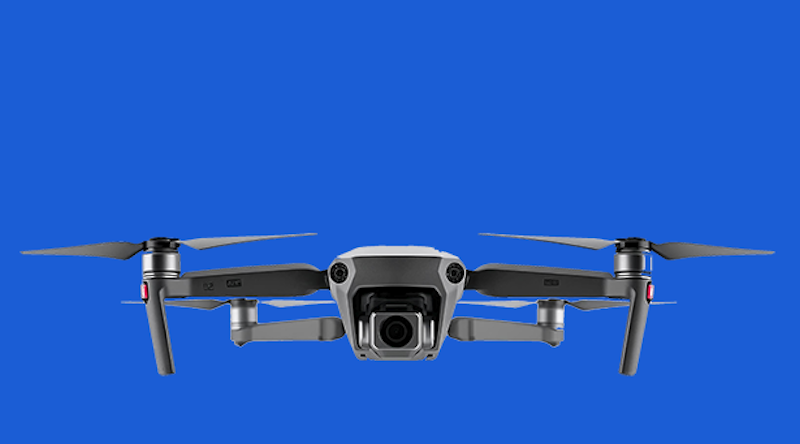
Canada has become one of the leading countries in drone technology and innovation. From snowy mountain regions to crowded urban areas, the country provides a perfect environment for testing advanced drone systems. A Canadian drone test is more than just flying a small machine in the sky.
It represents the future of transportation, security, farming, mapping, and even emergency rescue operations. Over the last few years, drones have evolved from simple recreational gadgets into highly intelligent machines capable of performing complex tasks with precision and speed.
The rise of drone testing in Canada is connected to the country’s focus on technological advancement and safety regulations. Companies, universities, and government agencies work together to test drones in real-world environments.
Think of drones as modern-day digital birds carrying cameras, sensors, and data systems. They are changing how industries operate while making tasks faster, cheaper, and safer. Canadian drone testing is opening doors to innovations that once seemed impossible.
Understanding Drone Technology
What is a Drone?
A drone is an unmanned aerial vehicle that can fly without a human pilot onboard. It is controlled remotely or through automated software systems. Modern drones are equipped with GPS systems, cameras, thermal sensors, and artificial intelligence tools.
Some drones are small enough to fit inside a backpack, while others are large enough to carry packages or industrial equipment. They can fly at different heights and speeds depending on their purpose.
In Canada, drones are commonly used for photography, farming, inspection work, and research projects. Imagine having a flying robot that can inspect a bridge, monitor crops, or deliver medicine within minutes.
That is exactly why drones are becoming so valuable. Their flexibility and efficiency make them useful in both commercial and public sectors. Canadian drone tests help engineers improve drone performance and ensure these devices can safely operate in different conditions.
Different Types of Drones Used in Canada
Canada uses several kinds of drones for testing purposes. Recreational drones are mainly used by hobbyists for photography and entertainment. Commercial drones are designed for industries like agriculture, mining, and construction.
Military drones are used for surveillance, border security, and defense operations. Research drones are specially built for scientific studies and environmental monitoring.
Each type of drone has unique features. Some are equipped with high-resolution cameras, while others use infrared sensors or AI-powered navigation systems. Testing these drones helps developers identify weaknesses and improve performance.
It is similar to testing a new car before releasing it into the market. Without proper testing, drones could become unsafe or unreliable. That is why Canadian drone testing facilities are considered extremely important worldwide.
Why Canada is a Global Hub for Drone Testing
Favorable Geography and Climate
Canada’s geography makes it an excellent location for drone testing. The country has forests, mountains, lakes, deserts, and large urban areas. This variety allows engineers to test drones in many different environments. Harsh winters and strong winds also create challenging conditions that help improve drone durability and reliability.
Testing drones in extreme weather is essential because drones must perform safely during snowstorms, rain, or freezing temperatures. If a drone can survive a Canadian winter, chances are it can operate almost anywhere in the world.
This natural advantage has attracted many technology companies and research organizations to Canada. The country acts like a giant outdoor laboratory for drone innovation.
Government Support and Innovation
The Canadian government strongly supports drone development and testing. Transport Canada has introduced regulations that encourage innovation while maintaining public safety. Research grants and partnerships with technology companies also help accelerate drone advancements. Universities and private organizations frequently collaborate on drone-related projects.
Government support creates a healthy environment for startups and investors. It encourages businesses to experiment with new ideas without compromising safety standards.
Canada’s approach balances innovation and responsibility, which is one reason the country is respected in the global drone industry. This support has transformed drone testing into a growing economic sector with countless opportunities.
Key Objectives of Canadian Drone Tests
Safety Improvements
Safety is one of the main reasons drones are tested in Canada. Engineers need to ensure drones can avoid collisions, maintain stable flight, and respond to emergencies.
Testing helps identify technical issues before drones are used commercially or publicly. Advanced systems such as obstacle detection and automated landing features are carefully examined during these tests.
Drone safety is similar to teaching a new driver how to handle traffic. Without proper training and testing, accidents become more likely. Canadian drone tests focus heavily on reducing risks to people, buildings, and other aircraft. The goal is to create safer skies for everyone.
Commercial Applications
Canadian drone tests also focus on expanding commercial opportunities. Drones are already being used to inspect pipelines, monitor crops, and deliver packages. Companies want drones that are faster, smarter, and more efficient. Testing allows developers to improve battery life, navigation systems, and data collection abilities.
For businesses, drones can save time and reduce costs. Instead of sending workers into dangerous environments, companies can use drones to complete inspections safely. This increases productivity while lowering operational risks. Canadian drone tests continue to shape the future of modern industries.
Military and Surveillance Uses
Canada also conducts drone testing for military and surveillance purposes. Drones can monitor borders, assist rescue missions, and gather intelligence without risking human lives. Military drones are often equipped with advanced cameras, radar systems, and communication technology.
Testing ensures these drones can operate effectively in difficult conditions. Security agencies rely on accurate and dependable drone systems for national defense and emergency response operations. Canadian drone testing plays a crucial role in strengthening modern security systems.
Industries Benefiting from Drone Testing
Agriculture
Farmers use drones to monitor crops, detect diseases, and manage irrigation systems. Drones provide real-time information that helps farmers increase productivity and reduce waste. Canadian drone tests improve agricultural drone accuracy and efficiency.
Construction and Infrastructure
Construction companies use drones for surveying land, inspecting buildings, and monitoring project progress. Drones reduce the need for risky manual inspections. Testing ensures drones can capture precise data even in complex environments.
Delivery Services
Delivery drones are becoming increasingly popular in Canada. Companies are testing drones to transport food, medicine, and packages quickly. Drone delivery could transform transportation systems in the future, especially in remote communities.
Canadian Drone Regulations
Transport Canada Rules
Transport Canada regulates drone operations to ensure safety. Drone operators must follow rules regarding altitude limits, restricted zones, and visual line-of-sight operations. These regulations help prevent accidents and protect public safety.
Licensing and Pilot Certification
Many drone operators in Canada must obtain certification before flying commercially. Training programs teach pilots about navigation, safety procedures, and legal requirements. Testing and certification improve professionalism in the drone industry.
Challenges Faced During Drone Tests
Weather Conditions
Extreme weather remains one of the biggest challenges for drone testing in Canada. Snow, heavy rain, and freezing temperatures can affect drone performance and battery life. Engineers constantly work on improving drone durability.
Privacy and Security Concerns
Drones equipped with cameras and sensors raise privacy concerns. People worry about surveillance and unauthorized data collection. Canadian authorities continue developing policies to address these issues while supporting innovation.
Future of Drone Testing in Canada
AI Integration
Artificial intelligence is transforming drones into smarter machines. AI allows drones to recognize objects, avoid obstacles, and make decisions automatically. Canadian drone tests increasingly focus on autonomous systems.
Smart Cities and Automation
Future smart cities may rely heavily on drones for deliveries, inspections, and emergency response. Canada is preparing for this future by investing in drone infrastructure and testing programs. Drones could soon become as common as delivery trucks on city streets.
Conclusion
Canadian drone testing is shaping the future of technology in remarkable ways. From agriculture and construction to military operations and package delivery, drones are becoming essential tools in modern society. Canada’s geography, government support, and advanced testing facilities make it a global leader in drone innovation.
Although challenges like weather and privacy concerns still exist, the future looks incredibly promising. As technology continues to evolve, Canadian drone tests will remain at the center of global advancements, helping create safer, smarter, and more efficient aerial systems.
