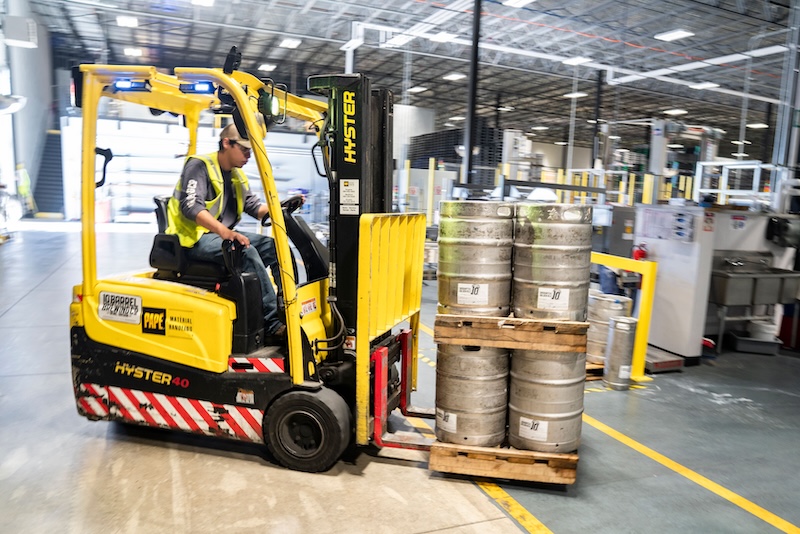
Automated warehouses are changing how logistics work through intelligent material-handling systems, robotics and autonomous vehicles. However, increased automation in the workplace is introducing new safety challenges as machinery, moving equipment and people share the same complex environment.
The section below tries to highlight the importance of safety infrastructure in terms of protecting workers, preventing collisions and keeping warehouse operations running seamlessly.
Growing Importance of Workplace Safety
Warehouse operations involve plenty of activities, from sorting inventory and receiving deliveries to packing goods, picking orders and preparing shipments. Demand for faster fulfilment has resulted in businesses turning to automation with the aim of managing repetitive, time-consuming tasks and enhancing accuracy.
Because of that, automated mobile robots (AMRs), automated guided vehicles (AGVs) and robotic picking tools can aid in transporting materials, moving goods and supporting inventory management with less manual handling. However, the introduction of these technologies comes with great change in how equipment and people operate in a workplace.
With effective warehouse safety infrastructure, companies can deal with the physical risks associated with a busy automated environment (where pedestrian and moving machinery routes meet).
Automation also plays an important role in improving workplace safety. This is done particularly by taking over tasks that expose employees to heavy lifting, frequent vehicle traffic and repetitive movements.
Machines can easily identify obstacles through cameras, sensors and collision-detection systems. On the other hand, automated processes can minimise unnecessary movement around the warehouse floor.
While these technologies are helpful, they don’t always eliminate every hazard. This means that a well-designed safety environment should combine physical protection measures with intelligent technology.
The Role of Safety Flooring and Clear Traffic Routes
A well-organised warehouse floor supports both employees and automated equipment to move around without unnecessary risks. Therefore, clear traffic routes and flooring choices become an essential part of workplace safety.
Keep Warehouse Floor Clear and Accessible
Plenty of things in the warehouse (trailing cables, spilled liquids, loose packaging and misplaced pallets) can obstruct automated vehicles and create slip or trip hazards.
Therefore, keeping pathways clear allows robots to navigate more efficiently and reliably while giving employees safe access to different parts of the warehouse, including emergency exits. This means that it is vital to maintain routine housekeeping and prompt removal of obstructions.
Floor Marking to Separate Traffic Routes
The conflict between moving equipment and pedestrians can be reduced by having clearly marked pathways. Warning lines, different colours and directional arrows can distinguish designated vehicle lanes from walking routes and loading zones from restricted areas. Consistent marking makes it easier for automated machinery and employees to follow designated and anticipated movements around busy sections.
Flooring that Withstands Heavy Warehouse Traffic
Warehouse floors experience constant pressure from different equipment and people. Therefore, flooring must withstand regular movement without creating an uneven surface that could affect equipment efficiency and stability. In areas where moisture dust or spilled material may accumulate, slip-resistant finishes are very crucial. Regular inspection of the warehouse floor helps uncover worn sections, cracks and other defects before they become hazards for automated machinery and/or employees.
In a Nutshell
Safety infrastructure must evolve alongside warehouse automation, as it becomes more widespread. Machinery, building and employee protection require more than just intelligent systems. Regular safety assessments, clear traffic routes, suitable flooring and impact protection all contribute to a safer working environment.
