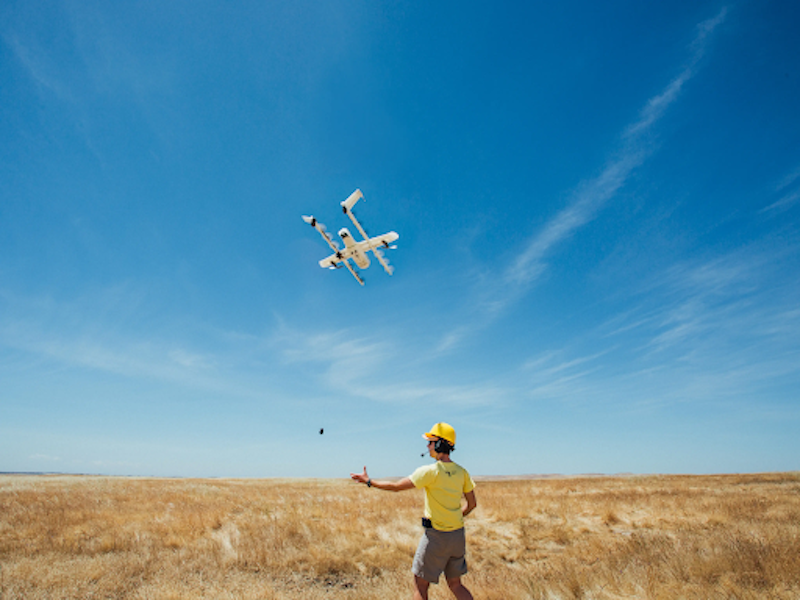
Wing, the drone delivery company owned by Alphabet, is investing up to $125 million in US manufacturing over the next two years as it prepares to expand its autonomous delivery network across the country.
The investment includes a new 15,000-square-foot manufacturing facility in Fort Worth, Texas, which will have the capacity to produce tens of thousands of delivery drones annually.
The facility is expected to create up to 100 manufacturing jobs and support Wing’s plans to extend its services to more than 40 million Americans across nearly 20 US markets by 2027.
From experimental technology to commercial delivery
Wing began in 2012 at X, Alphabet’s Moonshot Factory, with the objective of developing a more efficient alternative to transporting small packages using conventional road vehicles.
The company initially focused on the challenges of delivering directly to residential properties, where changing environments, obstacles and varying delivery locations require sophisticated navigation and control systems.
Following years of development and testing in California, Wing has established a commercial drone delivery network that now handles thousands of packages daily.
According to the company, its drones have completed more than one million residential deliveries in the United States this year alone.
Wing received the first Part 135 Air Carrier Certificate issued for drone operations in the United States in 2019, allowing it to expand its commercial delivery activities.
The company now operates what it describes as the largest drone delivery footprint in the country, with more than 70 operating sites serving major metropolitan areas.
Expanding US manufacturing capacity
Wing says its investment will strengthen domestic research, engineering and manufacturing capabilities as demand for rapid delivery services increases.
Alongside the Fort Worth facility, the company will continue investing in research and development operations in California and in communities where its delivery network operates.
The planned expansion comes as US aviation regulators prepare new rules governing Beyond Visual Line of Sight (BVLOS) drone operations, which could allow commercial drone services to operate more extensively without requiring pilots to maintain direct visual contact with aircraft.
Wing believes these regulatory developments, combined with growing commercial demand, could accelerate the adoption of autonomous aerial delivery.
Adam Woodworth, CEO of Wing, says: “Drone delivery has become a global reality, driven by clear demand from our partners and their customers.”
Woodworth adds: “The US is our focus for growth, and by investing in the future of drone delivery here, we are continuing to advance American aviation innovation as we build our commercial momentum.”
Wing says its expanded manufacturing capacity will support the production of next-generation aircraft as the company works toward establishing drone delivery as a routine service across the United States.
