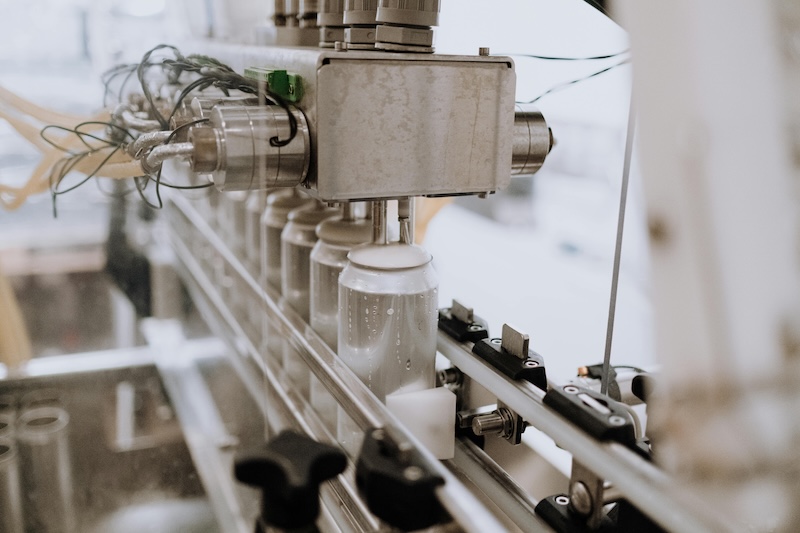
Manufacturing isn’t just about machines anymore. Now, success relies on engineering those machines well, keeping them connected and adjusting them to match what’s actually happening on the factory floor.
Application engineering for assembly systems is pushing this change, especially as factories aim for higher output while cutting errors.
Companies like Atlas Copco are all in, using advanced core technologies to help manufacturers build smarter, more flexible and more sustainable production lines.
Here’s something people don’t talk about enough in manufacturing: Unplanned downtime hits hard. According to industry automation studies, unplanned downtime drains roughly 11% of annual revenue for top global manufacturers.
That’s exactly why assembly systems aren’t just about speed anymore. They’re about control, predictability and precision.
Right now, application engineering for assembly systems matters more than just the hardware. Robotics and automation grab the headlines, but the biggest performance gains come from configuring, integrating and constantly optimizing those systems.
Why application engineering has become a bottleneck solver
Talk to plant managers, and one thing pops up again and again: Complexity. A modern assembly line can have hundreds of connected tools, sensors and robots. Just one automotive OEM runs over 1,000 tightening operations per vehicle.
Even a tiny 1% error rate in fastening can cause thousands of quality problems each month in high-volume production.
Application engineering stops that from spiraling out of control. Instead of just installing tools, engineers map the whole production flow.
They check torque accuracy, track variations in cycle time, monitor tool wear, observe how operators interact and set up feedback loops. Then they design systems that cut down variation every step of the way.
The role of standard core products in real production environments
People often think “standard” means simple. In industrial automation, it’s usually the opposite. Standard core products in assembly systems are built from years of field data across thousands of installations.
That’s important because real manufacturing is messy. Dust, vibration, heat, operator differences and supply chain hiccups all impact performance.
Atlas Copco, for example, created an entire ecosystem around this concept. Their platforms, such as Atlas Copco ITBA, let manufacturers access sustainable productivity solutions, covering compressors, vacuum systems, power tools, air treatment and advanced assembly technologies.
For application engineering, consistency is key. When engineers use validated core products, they can focus more on optimization, integration and performance,and worry less about basic reliability.
Robotics in assembly systems is no longer just about automation
Robots aren’t new in factories. What’s changed is how they’re used. A recent International Federation of Robotics report shows global industrial robot installations have passed 540,000 units per year, with automotive still leading the pack. But the shift isn’t about robot numbers, it’s about what robots do.
These days, robots aren’t isolated. They’re tightly coordinated within assembly ecosystems. In many plants, cobots work alongside humans, handling repetitive fastening or moving materials while humans focus on inspection or decisions.
Data is quietly becoming the most important part of assembly systems
If robotics is the visible layer in today’s manufacturing, data is the invisible thread tying it all together. Industry research shows predictive maintenance slashes costs by up to 30% and cuts breakdowns nearly 70% in some spots. That’s a huge leap from old, reactive maintenance.
In assembly systems, every tightening cycle, robot movement and sensor reading is data. Application engineers analyze this info to spot patterns most people would miss.
Sustainability is now part of the engineering conversation
People usually talk about sustainability through corporate goals, but in manufacturing, it’s gotten practical. Energy use in industry is a big deal.
Manufacturing energy reports show compressed air systems alone make up as much as 10% of a plant’s total electricity use. So even small efficiency gains bring significant cost and carbon savings.
Application engineering helps here, too. By making workflows more efficient, trimming idle robotics time and optimizing air usage, engineers cut waste without dialing back output. Modern assembly systems are built for lifecycle efficiency, not just high performance.
Why flexibility has become a manufacturing requirement, not a bonus
One of the biggest changes in manufacturing lately is product variation. Factories used to churn out millions of identical parts. Now, they handle smaller batches with frequent changeovers. That means assembly systems have to adapt fast.
Application engineering solves this by creating modular systems that can be reconfigured without long downtime. Instead of rebuilding whole lines, manufacturers swap tools, update software or tweak robotic sequences.
Important force in modern manufacturing
Application engineering for assembly systems has quietly become one of the most important forces in modern manufacturing, even if most people don’t see it.
The blend of robotics, data-driven optimization and highly developed core products is letting factories hit levels of precision and efficiency that sounded impossible ten years ago.
Machines don’t run alone anymore. Everything’s connected. Systems think, adjust and keep improving on their own.
