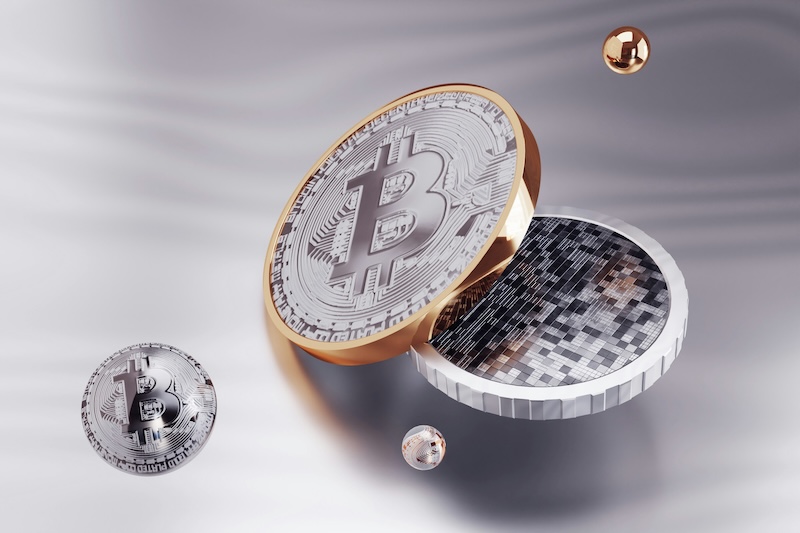
Buying bitcoin with euros is easier than most people expect. The process has changed a lot over the past few years, and European investors now have access to regulated apps that handle the technical side without requiring any prior knowledge.
This guide walks through what you need to know before your first purchase and how to go about it.
What You Need Before Buying
You need less than you may think to buy bitcoin. A smartphone, a bank account that supports SEPA transfers, and a form of ID are the basic requirements for most regulated platforms.
Some apps let you make small purchases with just an email address and phone number, though larger amounts typically require identity verification under EU anti-money laundering rules.
One thing worth deciding early is where your bitcoin will be stored once you buy it. Platforms fall into two categories: custodial and non-custodial.
Custodial platforms hold your bitcoin for you, similar to how a bank holds your cash. Non-custodial (or self-custody) platforms send the Bitcoin directly to a wallet you control, which means only you have access to it. Neither approach is wrong, but they come with different trade-offs around convenience and ownership.
How to Buy Bitcoin with Euros: Step by Step
Step 1: Pick a platform
There are several options for European investors, with most global crypto exchanges having footprints in Europe. However, if you want to buy Bitcoin specifically and hold it in your own wallet, a Bitcoin-only app is worth considering.
For example, you can buy bitcoin with Relai, a Swiss-made app regulated under both Swiss financial law and the EU’s MiCA framework. It supports euro purchases via SEPA transfer, card, Apple Pay, and Google Pay, and it sends your Bitcoin directly to a self-custody wallet you control from day one.
Step 2: Create an account
Most platforms require an email address, phone number, and passport or national ID for verification. The process usually takes a few minutes. Some platforms have tiered verification, where smaller purchases go through faster with less documentation.
Step 3: Fund your account in euros
SEPA transfers are often free or low-cost, depending on the platform and bank, and take one business day or less. SEPA Instant, where available, clears in seconds. Card payments and mobile payment options are faster but typically carry an additional fee of around 3%.
Step 4: Place your purchase
Enter the euro amount you want to spend and confirm the purchase. The platform converts your euros to bitcoin at the current market rate, minus any applicable fees. Reputable apps show you the exact amount of BTC you’ll receive and the total cost before you confirm.
Step 5: Secure your bitcoin
On self-custody platforms, your bitcoin goes directly into a wallet protected by a 12-word recovery phrase. Write this phrase down and store it somewhere safe. It’s the only way to recover your wallet if you lose your device.
On custodial platforms, your bitcoin is held by the company on your behalf, and your account login is what protects access.
Understanding Fees
Fees vary by platform and payment method. A flat transaction fee of around 1% is common for Bitcoin-only apps. Large exchanges often have tiered fee structures that reward higher trading volumes. Card payments consistently cost more than bank transfers regardless of platform.
One fee that’s easy to overlook is the spread, which is the difference between the price you buy at and the current market price. Some platforms advertise low or zero fees but build their margin into the spread instead. It’s worth checking both before you commit to a platform.
Dollar-Cost Averaging with Euros
Trying to time the market is difficult. Bitcoin’s price can move 10-15% in either direction within a week. Therefore, many savvy European Bitcoin investors skip timing entirely and use a strategy called dollar-cost averaging (DCA), which refers to buying a fixed euro amount at regular intervals regardless of the price.
The practical effect is that you buy more Bitcoin when the price is low and less when it’s high. Over time, this tends to smooth out the average cost per coin.
Setting up a weekly or monthly automatic buy removes the temptation to react to every price move, which for most people is the actual problem.
What the Regulatory Picture Looks Like in Europe
Regulatory uncertainty used to be one of the main reasons people held back from buying Bitcoin. That’s no longer an issue in Europe.
The Markets in Crypto-Assets regulation (MiCA) created a consistent licensing framework across all EU member states. Platforms operating legally in Europe are required to meet consumer protection, AML, and KYC standards similar to those applied to traditional financial services.
Switzerland has its own regulatory framework for crypto, separate from MiCA, but equally robust. Platforms regulated in either jurisdiction provide a level of oversight that was missing from the market just a few years ago.
A Note on Risk
Bitcoin’s price is volatile. It hit an all-time high of $126,000 in late 2025 and was trading around $65,000 by early 2026. That kind of drawdown is not unusual in Bitcoin’s history, and it has historically recovered over multi-year periods, but past performance does not guarantee future results.
Buying bitcoin with euros makes sense for many people, but only with capital you can afford to leave invested for several years and possibly more.
Cryptocurrency investments carry significant risk, including the potential loss of principal. Always do your own research before making investment decisions.
Main image by Galina Nelyubova on Unsplash
