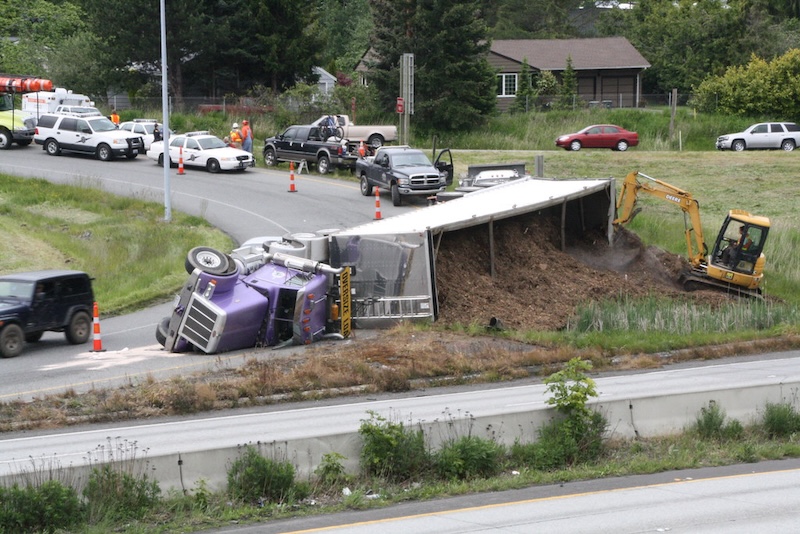
The Bronx sits at the center of some of New York City’s busiest transportation routes, with major highways carrying a constant flow of commercial traffic through densely populated neighborhoods every day.
Delivery trucks, freight carriers, and long-haul semi-trucks move through the borough at all hours, sharing crowded roads with commuters, buses, cyclists, and pedestrians.
When a collision involving a large commercial truck occurs, the aftermath is often far more serious than a standard car accident, leaving victims with severe injuries, mounting medical costs, and uncertainty about how to move forward.
These cases can quickly become complicated because trucking companies, insurers, maintenance providers, and other outside parties may all play a role in determining liability.
Many victims seek guidance from commercial truck and semi-truck accident lawyers in the Bronx to better understand their rights, preserve critical evidence, and pursue compensation that reflects the full impact of a devastating crash.
Many Parties, Many Duties
Fault rarely stays with one person. A driver may make an error, while a carrier can share blame for training, scheduling pressure, or unsafe routing. Repair contractors, shippers, and brokers may also shape risk.
Many families contact reputable accident lawyers after learning how fast logs vanish, witnesses scatter, and insurers trade blame. Early legal guidance can help protect records and keep the case grounded in verifiable facts.
Health Records Shape Value
Clinical notes do more than guide treatment. Emergency reports, imaging results, and therapy summaries can track pain patterns, sleep disruption, dizziness, and limits on lifting or driving. Missed appointments can raise doubt, even when symptoms continue.
A clean timeline links the collision to new, or worsened, conditions. Good documentation also supports future care, including rehabilitation, assistive devices, or home help, which can quickly rise after severe trauma.
Federal Rules Add Another Layer
Commercial carriers operate under strict safety standards. Hours limits, inspection duties, and cargo rules can carry weight in court. If time logs show overwork, fatigue may become central.
If upkeep was skipped, inspection records can reveal neglect. These rules can strengthen a liability argument, yet they also create more paperwork to request, review, and authenticate before meaningful negotiation or trial preparation is possible.
Critical Evidence Can Disappear
Key proof often sits with a trucking company. Electronic driving data, onboard video, dispatch messages, and maintenance files may be overwritten on short cycles.
Roadway details also change quickly as vehicles move and lanes reopen. Photos, witness contacts, and police reports help, yet they may miss steering input or braking force. A prompt preservation effort can prevent avoidable loss.
Insurance Structures Can Be Layered
Truck claims may involve several policies, each with separate limits, exclusions, and adjusters. A carrier may carry primary coverage plus excess layers, while a trailer owner holds another plan.
Some insurers argue for priority before paying anything meaningful. These disputes can slow progress and increase documentation demands. A well-supported demand package, tied to medical records and objective proof, helps keep discussions centered on losses.
Cause Analysis Often Needs Experts
Many passenger-car crashes can be explained through statements and scene markings. A tractor-trailer case may require reconstruction, cargo review, or mechanical inspection. Brake failure, tire blowout, or shifting freight can change the fault.
Expert input also clarifies impact energy and injury risk, which supports clinical opinions. Those reports take time, add expense, and can delay settlement talks until the analysis is complete.
Injuries Can Be Severe
Accidents often lead to brain injury, spinal damage, fractures, burns, or internal bleeding. Recovery may include surgery, prolonged therapy, and mental health care for intrusive memories or disrupted sleep.
Some people face lasting limits that affect earning capacity and family roles. A claim should reflect future needs, not only early invoices. Reliable projections work best when tied to functional testing and clinician guidance.
Deadlines and Notice Rules Matter
New York sets firm filing windows, and extra-notice rules can apply when a public entity may share fault, such as in roadway design or a city vehicle. Missing a notice step can weaken or end a case, even in cases of clear harm.
Timing also affects record access and witness recall. Early review of dates, locations, and involved parties can prevent a preventable loss of legal rights.
Conclusion
Semi-truck claims demand more than paperwork. Multiple responsible parties, layered insurance, and federal safety records can slow progress while raising disputes about fault and value. Serious injuries require clear clinical tracking, along with realistic forecasts for future care and work limitations.
Strong cases often start early, with preserved electronic data, organized medical files, and careful attention to deadlines. That steady approach can support compensation that matches the lasting health impact.
