Workplace risk is often discussed in terms of physical safety. Slips, falls, and equipment hazards tend to dominate the conversation. Yet a quieter, less visible threat exists in nearly every organization: disorganized information.
Poor data handling can lead to compliance issues, lost productivity, and costly mistakes. In many cases, the root cause of operational disruption is not a lack of effort, but a lack of structure.
Organized information management is not just an administrative concern. It is a core business function. When done correctly, it reduces uncertainty, improves decision-making, and strengthens resilience. This article explores how structured data practices can minimize risk and support long-term stability.
The Hidden Risks of Disorganized Information
Information chaos rarely announces itself. It builds gradually. Files are stored in different locations. Naming conventions vary. Access permissions become inconsistent. Over time, these small inefficiencies compound into larger problems.
One of the most immediate risks is data loss. When documents are not stored systematically, they are easier to misplace or delete unintentionally. This can be particularly damaging in industries with strict recordkeeping requirements. Regulatory penalties may follow.
There is also the issue of version control. Employees may work from outdated documents without realizing it. This leads to errors, duplication of effort, and confusion across teams. In high-stakes environments, even minor discrepancies can have serious consequences.
Cybersecurity risks increase as well. Disorganized systems often lack clear access controls. Sensitive information may be exposed to unauthorized users. According to NIST (National Institute of Standards and Technology), structured data governance is a key component of effective risk management frameworks.
Why Structure Matters in Information Management
Structure brings clarity. It defines where information belongs, who can access it, and how it should be maintained. Without structure, even the most advanced systems become inefficient.
A well-organized information framework supports consistency. Employees know where to find what they need. Processes become repeatable. Training new staff becomes easier because there is a clear system to follow.
Structure also improves accountability. When data is managed systematically, it is easier to track changes and identify errors. This transparency reduces the likelihood of oversight and strengthens internal controls.
In addition, structured systems support scalability. As organizations grow, the volume of information increases. Without a solid foundation, this growth can overwhelm existing processes. With structure in place, expansion becomes more manageable.
Key Elements of Effective Data Organization
Building an organized information system requires more than good intentions. It involves deliberate planning and consistent execution. Several key elements form the foundation of effective data management.
Standardized Naming Conventions
Consistency in file naming is essential. It may seem like a small detail, but it has a significant impact. Clear, predictable naming makes files easier to locate and reduces confusion. Dates, version numbers, and descriptive titles should be used consistently across the organization.
Centralized Storage Systems
Information should not be scattered across multiple platforms without coordination. Centralized storage ensures that data is accessible and secure. Cloud-based systems often provide flexibility, but they must be configured properly to avoid fragmentation.
Access Control and Permissions
Not all information should be available to everyone. Access should be granted based on role and necessity. This limits exposure and reduces the risk of unauthorized use. Regular audits of permissions help maintain integrity.
Regular Audits and Updates
Information systems are not static. They require ongoing attention. Regular audits help identify outdated files, redundant data, and potential vulnerabilities. This process keeps the system clean and functional.
The Role of Offsite Storage in Risk Reduction
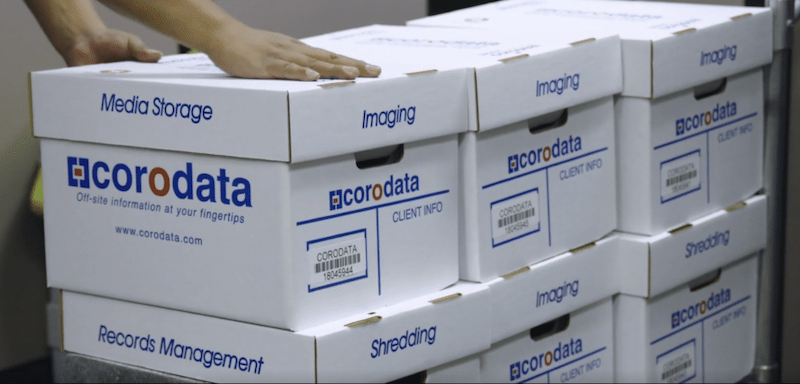
Digital systems are essential, but physical records still play a critical role in many industries. Contracts, legal documents, and historical records often need to be preserved in their original form. Managing these materials requires a different approach.
Offsite storage provides a practical solution. It reduces clutter within the workplace while ensuring that important documents remain secure. Environmental controls protect against damage from humidity, temperature changes, and pests.
More importantly, offsite storage adds a layer of protection against disasters. Fires, floods, and other emergencies can destroy on-site records. By using offsite vital records storage services, organizations can safeguard critical information and maintain continuity in the face of unexpected events.
This approach also supports compliance. Many regulations require secure storage and controlled access to sensitive documents. Professional storage providers are equipped to meet these standards.
Improving Workflow Through Organized Systems
Efficiency is closely tied to organization. When information is easy to find, tasks can be completed more quickly. This reduces delays and improves overall productivity.
Organized systems also enhance collaboration. Teams can share information without confusion. There is less need for repeated clarification. Communication becomes more direct and effective.
In addition, structured information supports better decision-making. Leaders rely on accurate data to guide their choices. When information is organized and up to date, it becomes a reliable resource rather than a source of uncertainty.
The result is a smoother workflow. Processes become predictable. Errors decrease. Employees can focus on their work instead of searching for missing information.
Building a Culture of Information Responsibility
Technology alone is not enough. Effective information management depends on people. Employees must understand the importance of organization and follow established practices.
Training is essential. Staff should be familiar with naming conventions, storage systems, and access protocols. Clear guidelines reduce ambiguity and encourage consistency.
Leadership also plays a role. When managers prioritize organized information, it sets a standard for the entire organization. Expectations become clear. Accountability increases.
It is helpful to integrate information management into daily routines. Simple habits, such as saving files in the correct location or updating documents regularly, can have a significant impact over time.
Long-Term Benefits of Structured Data Practices
The advantages of organized information management extend beyond immediate risk reduction. Over time, these practices contribute to stronger operational performance.
Organizations become more resilient. They are better prepared to handle disruptions because their information is secure and accessible. Recovery times decrease. Business continuity improves.
There are also financial benefits. Fewer errors mean lower costs. Efficient workflows reduce wasted time. Compliance issues are less likely to result in penalties.
Perhaps most importantly, organized information builds trust. Clients, partners, and regulators expect reliability. When an organization can demonstrate control over its data, it reinforces confidence in its operations.
Final Thoughts
Information is one of the most valuable assets an organization possesses. Yet its value depends on how it is managed. Disorganized data creates risk. Structured systems reduce it.
By implementing clear processes, maintaining consistency, and leveraging solutions like offsite storage, businesses can protect their information and improve their operations. The effort required is not insignificant, but the benefits are substantial.
