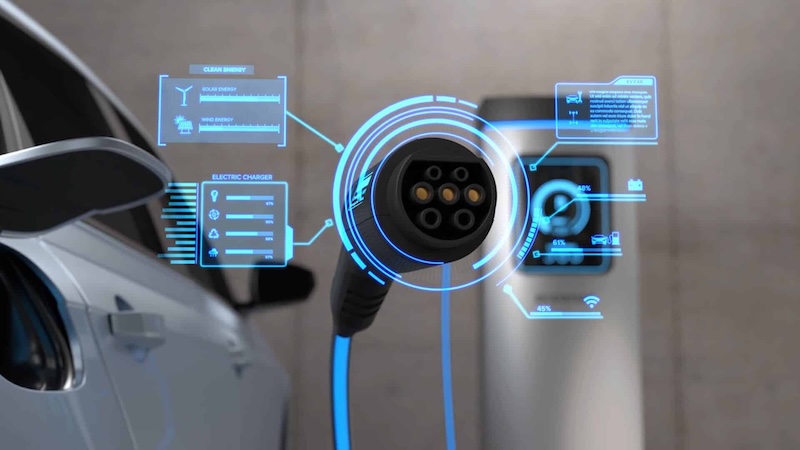
In the effort to build reliable, scalable EV charging infrastructure that truly meets driver, fleet, and grid expectations, automation and smart EV charging software are both playing central roles.
As networks expand, only software‑driven, automation‑first approaches keep operations efficient, profitable, and ready for new models like vehicle‑to‑grid.
What makes EV charging networks so hard to operate at scale?
Operating EV charging infrastructure is complex because it combines high‑powered hardware, telecom networks, cloud backends, payments, and mobility services in one stack.
Each layer can fail independently, so charge success depends on how well operators coordinate hardware, EV charging management software, and field operations across thousands of assets.
Typical pain points: uptime, roaming, billing, and EV fleet expectations
Key challenges for CPOs, CPMS vendors, EMSPs, and utilities usually come down to:
1. Reliability and uptime
- Chargers show “online,” but sessions still fail due to firmware, SIM, or backend issues.
- Traditional uptime metrics often overlook issues such as incomplete sessions or card authorization failures.
2. Roaming data quality and settlement
- Inconsistent tariffs and CDR formats across roaming partners create billing disputes.
- Poor data synchronization can lead to incorrect prices or “phantom chargers” in EV driver apps.
3. Billing and pricing complexity
- Multiple tariffs (time-based, kWh-based, session fees, and penalties) vary by site, partner, and customer group.
- Manual reconciliation between CPMS, EMSP, and ERP systems is sensitive to errors and slow.
4. EV fleet expectations
- Fleets require a guaranteed state of charge by departure time and transparent energy accounting.
- Mixed charging (from depot, public, workplace, or home) makes EV fleet charging optimization challenging without robust software.
Without robust EV charging software solutions and automation, teams end up firefighting instead of running stable EV charging networks.
How can a modern CPMS automate EV charging network operations?
A modern CPMS (Charge Point Management System) is the control layer for EV charging infrastructure, connecting chargers, EV software development backends, and business systems.
What does an OCPP‑native CPMS actually do behind the scenes?
An OCPP‑based CPMS provides the foundation for interoperable, vendor‑agnostic EV charging networks. Behind the scenes, this means the CPMS:
- Maintains secure OCPP connections to every charger.
- Normalizes messages from various hardware vendors into a single, consistent data model.
- Logs all start/stop events, meter values, and error codes for each charging session.
- Maps sessions to drivers, cards, contracts, and roaming partners for billing and settlement.
- Exposes APIs, so EMSPs and EV fleet platforms can build services on top of CPMS data.
With the right EV charging software development approach, this OCPP‑native core becomes the reliable “message bus” that all other services depend on.
How automation improves charger onboarding, configuration, and firmware updates
Automation converts repetitive operational tasks into standardized workflows that include:
1. Charger onboarding
- Detect new devices connecting over OCPP.
- Validate firmware and configuration against approved profiles.
- Auto‑assign chargers to sites, operator accounts, and tariff groups.
2. Configuration management
- Apply standardized templates for connector limits, timeout settings, smart charging parameters, and security options.
- Enforce global policies (for example, offline behavior, local authorization lists) across the whole EV charging infrastructure.
3. Firmware updates
- Group chargers by model and firmware version.
- Schedule over-the-air updates during low-usage windows to protect revenue.
- Monitor error codes post‑update and trigger automated rollback if failure rates spike.
These automations notably reduce manual activity, lessen human error, and maintain the security and compliance of EV charging networks as vendors release new firmware and OCPP versions.
How does smart charging and load management reduce grid and energy costs?
Smart charging and advanced load management connect EV charging infrastructure to real‑time grid and site constraints. Instead of giving every charger maximum power all the time, operators use EV charging management software to orchestrate when and how vehicles charge.
Using real‑time data to orchestrate load across sites and EV fleets
You guessed it right! Effective smart charging and load management rely on:
1. Real‑time telemetry
- Measured current and voltage at each charger.
- Site‑level load, contract limits, and transformer constraints.
2. Control algorithms
- Dynamic current allocation per connector to keep total load under defined limits.
- Priority rules for EV fleets (departure times, route schedules, minimum state of charge).
3. Coordination across assets
- Aligning AC and DC charging, stationary storage, and on‑site solar.
- Using protocols such as OSCP or building‑energy interfaces to coordinate between CPMS and energy management systems.
This combination lets operators avoid grid penalties, reduce peak demand, and generally unlock more charging capacity without immediate grid upgrades.
Dynamic pricing and tariff automation for public and fleet charging
As such, dynamic pricing for EV charging allows operators to reflect real energy and grid costs in EV charging software solutions:
Link tariffs to:
- Time‑of‑use or real‑time wholesale prices.
- Site‑specific demand charges and local taxes.
- Customer segments (fleet, subscription, ad‑hoc drivers).
Automate tariff application by:
- Assigning price profiles to sites, connectors, and roaming partners.
- Updating EMSP price lists via APIs whenever tariffs change.
- Generating invoices, CDRs, and settlement reports without manual re‑entry.
Dynamic pricing, combined with smart charging, helps CPOs and utilities shape demand away from peaks while maintaining transparent, predictable costs for EV fleets and drivers.
Where does AI fit into EV charging software solutions today?
AI brings a predictive layer to EV software development. Its capabilities translate historical and real‑time data into recommendations and automated actions.
Predictive maintenance models that keep EV charging infrastructure online
Predictive maintenance for EV charging stations typically uses:
Data sources
- OCPP error codes, status changes, and meter values.
- Temperature, fan speed, and internal diagnostics from DC fast chargers.
- Historical failure logs and repair outcomes.
Models and outputs
- Machine learning models that estimate failure probability for each charger or component.
- Anomaly detection that flags unusual patterns such as rising error counts or slow session starts.
- Risk scores that drive automated fault detection in EV chargers and maintenance scheduling.
Operational impact
- Prioritization of site visits by risk and impact, instead of pure time‑based schedules.
- Reduction in emergency outages and truck rolls while improving charge‑success rates.
These AI‑driven capabilities are becoming standard requirements for advanced EV charging software development services.
Forecasting energy demand for EV fleets and multi‑site networks
AI‑based forecasting supports both operations and energy procurement:
Inputs
- Historical charging sessions by time, site, and connector.
- Fleet schedules, route plans, and depot timetables.
- Weather, seasonality, and local events affecting travel demand.
Use cases
- Site‑level demand forecasting for day‑ahead and week‑ahead planning.
- Sizing grid connections, storage, and renewable capacity for new locations.
- Aligning EV fleet charging optimization with energy contracts and flexibility markets.
Forecasting enhances smart charging and load management strategies, making EV charging networks more predictable and grid‑friendly.
How can eMobility service providers deliver better driver experiences with automation?
eMobility service providers aggregate multiple EV charging networks into unified apps and services for drivers and fleets. Automation helps EMSPs transform raw CPMS data into reliable experiences across search, routing, authorization, and payments.
From charger availability predictions to seamless roaming and payments
Automation for EMSPs typically includes:
Charger discovery and quality filtering
- Aggregating locations and tariffs from many CPMS platforms and roaming hubs.
- Using machine‑learning models to predict charger availability and filter out unreliable sites.
Session and payment flows
- Automating authentication via RFID, apps, AutoCharge, or ISO‑15118 plug‑and‑charge.
- Standardizing CDRs and reconciling them automatically with CPMS and payment providers.
Customer support automation
- Triggering proactive messages when failure patterns appear at frequently used chargers.
- Linking dispute workflows directly to session logs in EV charging management software.
For drivers, this feels like higher reliability and lower friction; for EMSPs and CPOs, it means lower support costs and better utilization of EV charging networks.
Why API‑first, automation‑ready platforms win EMSP partnerships
EMSPs favor CPMS and EV charging software solutions that are:
1. API‑first
- Comprehensive, well‑documented APIs for sessions, tariffs, locations, and remote commands.
- Webhooks or event streams for real‑time status changes and errors.
2. Automation‑ready
- Configurable rules engines to drive notifications, tariff changes, and routing decisions.
- Strong support for open standards like OCPP and emerging smart charging protocols.
3. Scalable and multi‑tenant
- Ability to support many EMSP integrations without custom one‑off logic.
Such platforms become preferred partners in EMSP ecosystems and increase the reach and revenue potential of CPOs and utilities.
What should operators look for when evaluating EV charging software partners?
Looking for EV charging software development services is a strategic decision that shapes how the network scales and adapts to future requirements like V2G.
Must‑have capabilities in CPMS and EV charging management software
When evaluating EV charging software solutions, operators should look for:
- OCPP‑based CPMS with multi‑vendor charger support and proven large‑scale deployments.
- End‑to‑end remote monitoring and control, including automated fault detection in EV chargers.
- Built‑in smart charging/load management features for sites, campuses, and fleets.
- Flexible billing engines supporting complex tariffs, dynamic pricing, and roaming settlement.
- Analytics on charge‑success rate, utilization, and revenue per site and connector.
- Extensible APIs so EMSPs, fleets, and utilities can integrate their tools.
These capabilities indicate that a provider understands both software engineering and the operational realities of EV charging networks.
Questions to ask about scalability, integrations, and V2G‑readiness
Key questions for CPOs, EMSPs, and utilities include:
Scalability
- How does the architecture scale from hundreds to tens of thousands of chargers?
- What are the tested performance limits for sessions per second and concurrent OCPP connections?
Integrations
- Which billing, ERP, CRM, fleet, and grid systems are already integrated in production?
- How are APIs versioned, documented, and secured for long‑term EV software development?
Vehicle‑to‑grid ready architecture
- What is the roadmap for OCPP 2.0.1 / 2.1 and ISO 15118‑20 support, especially for bidirectional use cases?
- How does the platform model bidirectional sessions, dynamic constraints, and grid signals needed for V2G and V2X?
AI and analytics
- Which predictive maintenance and load forecasting capabilities exist today, and how are models trained and updated?
Once you have clear answers to these questions, you can identify partners who can deliver reliable EV charging infrastructure.
Final Thoughts
For leadership teams, the takeaway is simple. Treat your EV software stack and automation strategy as a long‑term asset, not a short‑term project.
Choosing the right EV charging software development partner, committing to open standards, and designing for V2G‑ready, API‑first integrations now will save you from painful re‑platforming later, and put you in a position to capture new business models as the market matures.
