
As industrial sites shift toward robotics, automation, and advanced safety technologies, the role of a forklift operator is entering its most transformative decade yet.
Warehouses, ports, construction yards, and logistics hubs are no longer defined by repetitive manual workflows.
Instead, they are becoming living ecosystems of autonomous mobile robots, telematics-rich equipment, digital twins, and AI-supported decision tools.
For operators, this isn’t the end of the job. It is the evolution of it. The future belongs to workers who can combine real-world driving know-how with the digital fluency needed to manage, supervise, and collaborate with robotic systems.
This transition is reshaping hiring practices, training priorities, and industry partnerships worldwide.
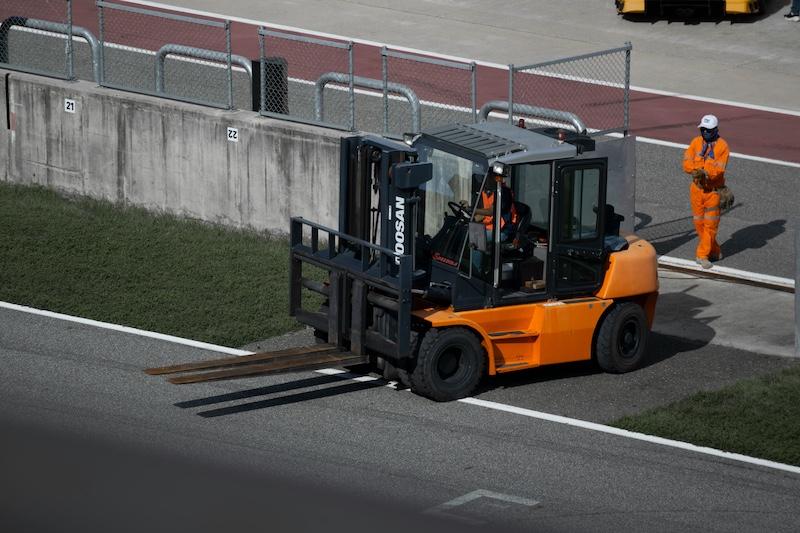
All Lift Forklifts: A Human-Robot Operations Hub
In Australia, All Lift Forklifts has become a reference point for understanding how traditional equipment companies are helping workers bridge the automation gap.
Its Brisbane division, known on the ground for all lift forklift hire brisbane, provides fleets that are increasingly augmented with safety sensors, semi-autonomous features, and telematics data streams.
The company’s website showcases how these machines fit into the new automation-assisted workflow, where operators must not only drive but also interpret alerts, monitor machine status, and coordinate with automated systems.
Training programs tied to these fleets now emphasize hybrid competencies. Operators learn how proximity-detection modules interpret their surroundings, how load-sensing technology affects stability calculations, and how site-wide automated traffic systems route equipment.
Instead of treating robotics as a replacement, All Lift positions automation as a partner – one that still needs human oversight, judgment, and adaptability.
This approach reflects a global trend: upskilling operators so they can supervise, troubleshoot, and optimize semi-autonomous machines rather than simply operate them.
By integrating these technologies into rental fleets, companies like All Lift give operators hands-on exposure to future-ready equipment.
It shortens the skills gap, boosts employability, and prepares workers for autonomous sites that require a blend of mechanical intuition and digital awareness.
Toyota Material Handling: Training for Mixed-Autonomy Environments
Beyond Australia, Toyota Material Handling has been one of the most visible global players shaping the operator-automation relationship.
Its warehouse vehicles increasingly feature Automated Guided Vehicle (AGV) modes, advanced stability systems, and energy-efficient electrification technologies.
For workers, this requires a shift in mindset: from “driving a forklift across a predictable floor plan” to “working inside a synchronized, sensor-driven environment”.
Toyota’s training programs highlight how operators can step into “automation stewardship” roles. These include monitoring AGV routes, adjusting workflow priorities, supervising fleet connectivity panels, and intervening manually when robotic navigation encounters unexpected obstacles.
While AGVs handle repetitive pathways, human operators remain essential for judgment calls, on-the-fly rerouting, and complex load positioning.
In global logistics centers, Toyota’s dual-mode systems reinforce the reality that future forklift jobs are hybrid jobs.
Workers need to stay comfortable switching between direct driving, teleoperation support, and supervisory roles. Robotics expands the job rather than erases it, provided the operator has the right skill set.
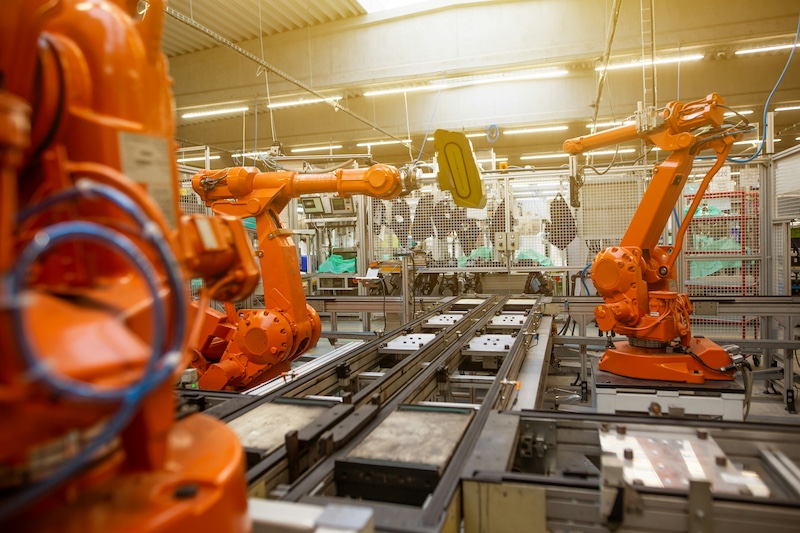
Crown Equipment Corporation: Data-Driven Upskilling Through Telematics and Automation
Crown Equipment Corporation, another major international equipment leader, focuses heavily on telematics, digital fleet visibility, and operator-assist technologies.
Its InfoLink platform, for example, tracks performance metrics, safety behaviors, impact events, and machine health indicators. In autonomous or semi-autonomous environments, this data becomes essential.
For operators, this means new competencies:
- Understanding telematics dashboards
- Interpreting maintenance alerts
- Navigating AI-driven fleet optimization tools
- Participating in safety analytics reviews
- Coordinating with autonomous equipment that shares the same work zone
Crown’s approach prepares operators to function as “data-enabled equipment specialists”, a role that blends physical skill with the ability to read, respond to, and act on machine intelligence.
Instead of performing manual labor in isolation, workers become part of a digital control loop that keeps automated fleets efficient and safe.
The company’s emphasis on ergonomic electric forklifts, collision-avoidance add-ons, and connectivity frameworks means that operator upskilling is tied directly to real-time digital feedback.
Telematics is not a corporate management tool – it is part of the operator’s daily workflow, especially in large, autonomous-leaning facilities.
Hyster-Yale Group: Robotics Integration for Port, Warehouse, and Manufacturing Jobs
Hyster-Yale, known for heavy-duty lift equipment used in ports and manufacturing sites, is also moving into robotics integration through partnerships with automation specialists.
This includes developing robotic lift trucks that can navigate aisles, pick loads, and complete repetitive tasks without a driver.
However, these systems are not “set and forget”. Upskilled operators play a central role in commissioning runs, validating safety perimeters, adjusting route logic, and handling exceptions when robotic trucks encounter unexpected layouts or load conditions.
In heavy-industry environments – where container weights, terrain conditions, or unusual pallets challenge automation – human oversight remains indispensable.
Hyster-Yale’s training now spans:
- Robotic workflow supervision
- Human-robot cooperation protocols
- Emergency-override management
- Advanced battery and charging-station coordination
- Safety auditing for automated fleets
Instead of eliminating roles, robotics shifts workers upward into technical positions that mix operational knowledge with system-level understanding.
The Future Of The Forklift Profession: A Technology-Enabled Career Path
Across all these companies, one pattern stands out: the forklift operator job is not disappearing. It is maturing. Automation reduces dangerous tasks, handles repetition, and improves site efficiency, but human workers remain the decision-makers, supervisors, and problem-solvers.
Future-ready operators will be expected to:
- Collaborate with robotic fleets
- Interpret telematics and automation data
- Troubleshoot sensor-driven equipment
- Coordinate traffic flows between autonomous and human-driven vehicles
- Adapt quickly as automation scales across industries
This creates a new kind of industrial professional – part driver, part technician, part workflow strategist.
Robotics brings efficiency, but people bring context. Machines do not understand exceptions, changing priorities, or nuanced safety factors.
Operators with blended skills will be the backbone of industrial sites where autonomous forklifts, AGVs, and machine-learning systems work alongside humans.
Wrapping Up
The move toward autonomous worksites doesn’t erase the value of forklift operators; it elevates it. As robotics spreads through warehouses, ports, and construction zones, the industry needs workers who can read data streams, guide sensor-rich machines, and make judgment calls no algorithm can handle.
Companies like All Lift, Toyota, Crown, and Hyster-Yale show that the strongest sites blend human intuition with robotic precision.
Upskilling is the bridge that keeps operators relevant, employable, and central to safer, smarter workflows. In this new landscape, people and machines don’t compete. They collaborate to build the next era of industrial work.
Main image by ZHENYU LUO on Unsplash
