Traditional musculoskeletal care generates over $300 billion in costs each year, and often forces patients to choose between invasive surgical interventions and endless cycles of symptom-masking medication.
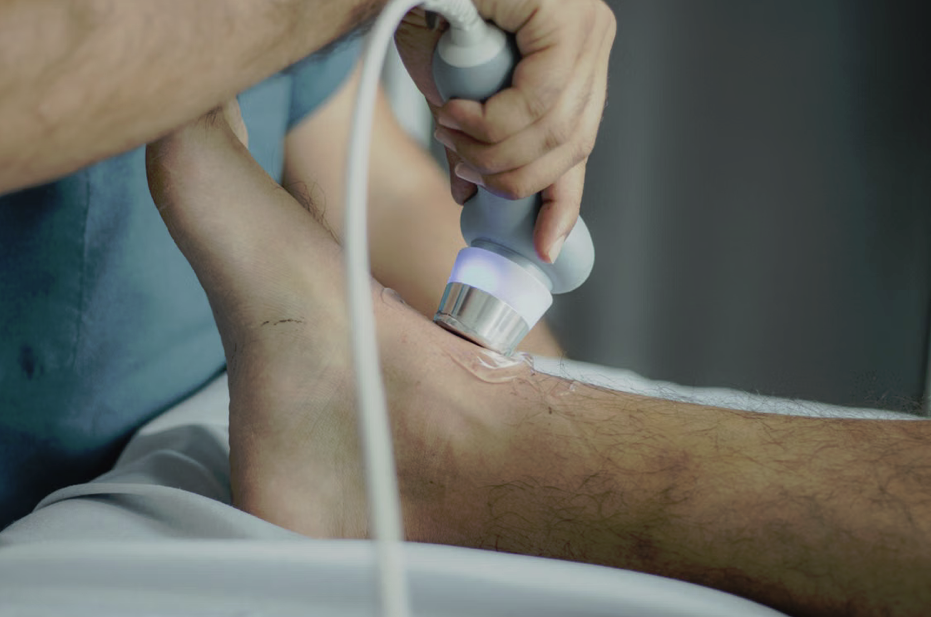
Advanced shockwave technology breaks this paradigm by delivering high-energy acoustic pulses directly into damaged tissue, initiating cellular repair mechanisms without a single incision.
Medical practices across orthopedic, podiatric, and physical therapy disciplines are integrating these electro-hydraulic systems to address chronic pain at its biological root.
By stimulating angiogenesis, breaking down micro-calcifications, and modulating nerve pain signals, modern devices transform standard rehabilitation timelines.
The Biophysical Science Behind Acoustic Pressure Waves
Acoustic wave technology operates on the principle of mechanotransduction, converting mechanical pressure pulses into biochemical signals inside targeted cells.
When these high-energy waves travel through tissue, they trigger localized acoustic cavitations that disrupt scar tissue and prompt micro-trauma at the cellular level.
This controlled micro-trauma releases growth factors like VEGF and PCNA, driving new blood vessel formation to restore oxygenation.
Research shows that acoustic pulses trigger immediate capillary formation in chronic hypovascular zones, accelerating tissue repair across soft tissue injuries.
Because these acoustic waves pass harmlessly through healthy soft tissue, practitioners deliver deep targeted energy without damaging surrounding anatomical structures. Patients experience genuine structural repair, not temporary relief.
Clinical Applications Transforming Patient Recovery Outlines
Practitioners deploy acoustic wave systems across a broad spectrum of acute and recalcitrant soft tissue conditions. For tendinopathies that fail to respond to standard eccentric exercises, shockwave intervention offers a powerful non-surgical alternative.
- Plantar fasciitis resistant to orthotic conservative management
- Chronic calcific tendinitis of the shoulder joint
- Lateral epicondylitis persistent after physical therapy exercises
When integrated into comprehensive physical therapy programs, modern electro-hydraulic platforms like SoftWave Shockwave therapy machines help clinicians deliver rapid relief while accelerating long-term tissue restoration.
These acoustic devices create a wide focal zone that covers broad treatment areas efficiently, improving patient comfort during care sessions.
The primary physiological response involves significant downregulation of substance P, the neuropeptide that transmits persistent pain signals. Reduced pain levels allow patients to engage in active functional rehabilitation much sooner in their recovery journey.
Integration Strategies for Modern Rehabilitation Clinics
Integrating shockwave platforms into existing medical workflows requires strategic patient selection and protocol design. Clinical evidence supports treating chronic conditions in brief, focused weekly sessions totaling three to six visits.
Modern rehabilitation facilities perform over 100,000 non-invasive orthopedic procedures daily to reduce surgical referrals. Managing patient expectations early creates a solid foundation for long-term adherence to rehabilitation goals.
Practitioners must carefully evaluate patient histories to identify potential contraindications before beginning care. While shockwave technology carries minimal risk, proper screening protects both patient health and clinical outcomes.
Clinicians must avoid treating over open growth plates, active tumor sites, or areas affected by severe deep vein thrombosis. Additionally, patients on heavy anticoagulant therapy require tailored energy adjustments to prevent localized hematoma formation.
Modern physical therapy clinics increasingly use advanced acoustic wave platforms to replace prolonged passive modalities with fast, high-impact therapeutic interventions. Reducing passive treatment time frees up critical clinical schedule space for direct patient engagement and functional retraining.
Economic and Operational Advantages for Healthcare Providers
Adopting electro-hydraulic shockwave systems offers substantial operational advantages beyond patient health outcomes. Practice owners face fewer insurance delays when adding direct-pay, high-value, non-invasive services to their service menu.
Because treatment sessions typically take under fifteen minutes from setup to completion, patient throughput increases without compromising clinical oversight. Staff members can easily manage room turnover while keeping patient satisfaction exceptionally high.
Patients willingly invest out-of-pocket for interventions that help them avoid surgical downtime and pharmaceutical dependence. Reliable clinical results generate strong word-of-mouth referrals, consistently driving practice growth.
Lower operational overhead, combined with durable equipment, ensures a fast return on capital investment. Clinics expand their service capabilities while establishing a reputation as modern regional healthcare leaders. With other technical advances, including robotic surgery, emerging today, the implications for providers and patients alike are significant.
Cellular Membrane Permeability and Nitric Oxide Synthesis
Acoustic pressure waves stimulate cell membranes by transiently altering ion channel permeability, which initiates an essential cascade of intracellular healing responses.
This mechanical perturbation rapidly upregulates endothelial nitric oxide synthase expression, leading to enhanced local vasodilation and acute inflammation reduction.
Recent academic findings confirm that this targeted biochemical shift successfully mitigates oxidative stress in damaged tendon insertions.
Patients experience faster resolution of chronic swelling without relying on pharmaceutical intervention. Cellular metabolism normalizes as vital nutrient delivery improves across the active treatment site.
Future Horizons in Non-Invasive Regenerative Medicine
The reach of shockwave therapy extends well beyond traditional musculoskeletal applications into emerging medical frontiers. Ongoing clinical trials highlight promising applications in neurology, urology, and the management of complex wounds.
Low-intensity acoustic shockwaves enhance local microcirculation, improving tissue viability in non-healing diabetic ulcers and peripheral vascular conditions. As equipment manufacturers refine energy-delivery mechanics, treatment precision continues to improve.
Non-invasive regenerative medicine is steadily shifting away from palliative care toward true structural restoration. Practitioners who adopt these advanced technologies remain at the forefront of modern patient-centered healthcare.
Exploring contemporary clinical case studies and white papers offers deeper insight into implementing acoustic wave protocols in specialized practice settings. Our site has its own selection of articles on healthcare tech and automation, so stick around here as well.
