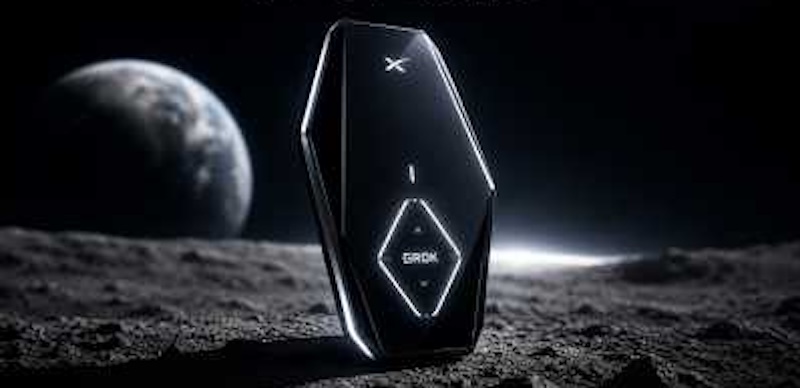
Most people still think Elon Musk’s biggest projects are rockets and robots. According to long-time technology analyst Josh Baylin, they may be looking in the wrong place.
Baylin, the same researcher who briefed Congress in 2004 about the coming smartphone revolution (three years before the iPhone), now argues that Musk is quietly assembling the pieces for something far more disruptive: a true AI phone. He calls it the Starphone.
In his latest presentation, Baylin lays out a clear case. SpaceX has already secured nationwide spectrum, filed trademarks for “Starlink Mobile,” partnered with major chipmakers, received new FCC approvals, and begun launching orbital data-center satellites.
At the same time, Musk controls one of the most capable AI models available today through Grok. Baylin’s central question is simple: why build every critical layer of the technology stack only to let someone else put the final device in people’s pockets?
He believes the logical next step is a thinner, lower-cost device that connects directly to satellites, offloads heavy processing to space-based computers, and continuously improves through software updates. In other words, a phone that does not need traditional cell towers and never becomes obsolete the way today’s handsets do.
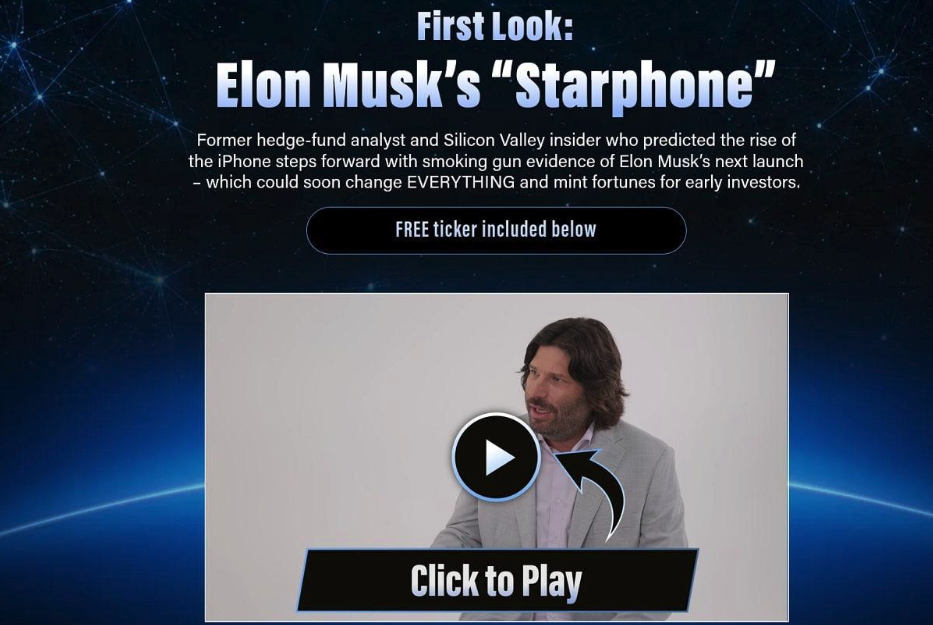
What makes the thesis especially interesting for investors is Baylin’s focus. He is not primarily recommending SpaceX or Tesla shares. Instead, he points to the suppliers that will build the essential components inside such a device.
Historically, when major new platforms launch, the companies making the critical parts often deliver some of the largest percentage gains.
Baylin freely names Qualcomm as a starting point because of its existing work with SpaceX on satellite connectivity chips. He says a longer list of additional suppliers appears in a dedicated research report.
That report, along with a full year of ongoing analysis, is currently available through his True Innovations Report service. You can review the complete details and the current offer here: Josh Baylin Starphone.
Baylin’s broader body of work adds context to the claim. In addition to his longer-term technology research, he has also developed a shorter-term system called Mosaic Trader.
That service uses a proprietary Shadow Data Indicator to identify tech stocks showing unusual signals that often appear weeks before major announcements.
A full review of how the Mosaic Trader system works and its backtested approach is available at Mosaic Trader Review – Josh Baylin.
Together, the two services show the range of Baylin’s research style: one focused on multi-year structural shifts such as the potential Starphone, and another aimed at near-term trading opportunities driven by obscure but public data.
Whether or not a Starphone launches in the exact form Baylin describes, the underlying trend is hard to ignore. Satellite connectivity, orbital computing, and advanced AI are all advancing rapidly. The companies providing the hardware and infrastructure for these technologies are already winning real commercial contracts.
For investors who prefer to study the supply chain behind major platform shifts rather than wait for mainstream headlines, Baylin’s latest research package offers a structured starting point.
The current offer includes the full AI Phone Supplier List, two additional special reports, 12 months of the True Innovations Report, model portfolio access, and a 30-day money-back guarantee.
Readers who want to examine the complete set of names and supporting analysis can find everything on the main review page linked above.
The window for early positioning on any major technology shift is always limited. Once an official announcement arrives, the easy research edge tends to disappear.
Baylin’s work gives individual investors a chance to review the evidence and the supplier list while the story is still developing.
