The weather can be really unpredictable. A clear morning commute can turn into a rainstorm by the afternoon. While you can’t control the weather, there are ways you can prepare yourself better for handling such situations. One of the best places to start is with your vehicle.
A few upgrades to your vehicle, such as all-season tires and high-quality headlights, can increase your confidence.
These upgrades offer better peace of mind and help you reach home safely, no matter what the road conditions are. Let’s look at some of the most effective upgrades you can make.
Upgrading to All-Season Tires
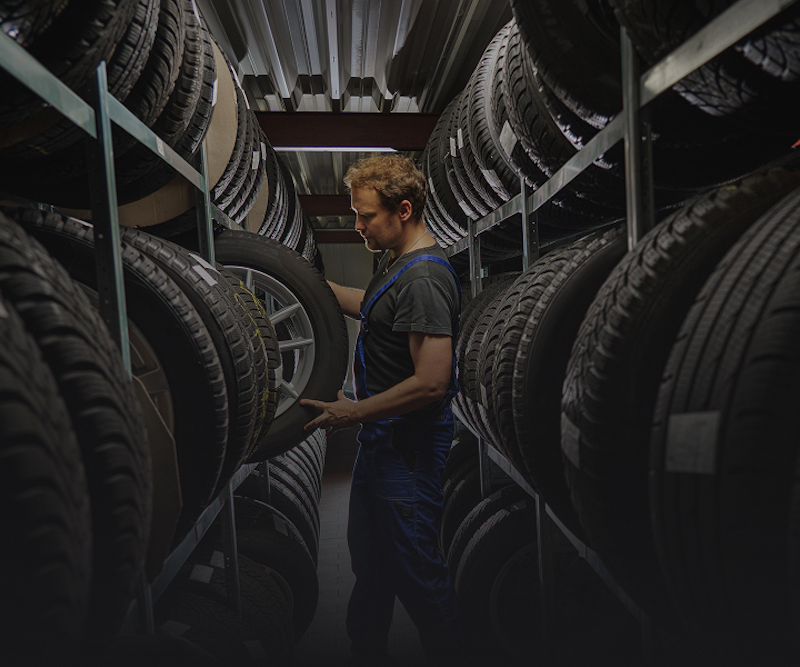
The tires of your vehicle are an essential component. Worn-out or low-quality tires don’t provide proper grip, increase braking distances, and make it harder to control your vehicle in wet and slippery road conditions.
Investing in all-season tires is one of the easiest ways to stay safe no matter how the weather is. Some tires are not made for conditions where the roads are slippery, muddy, or wet.
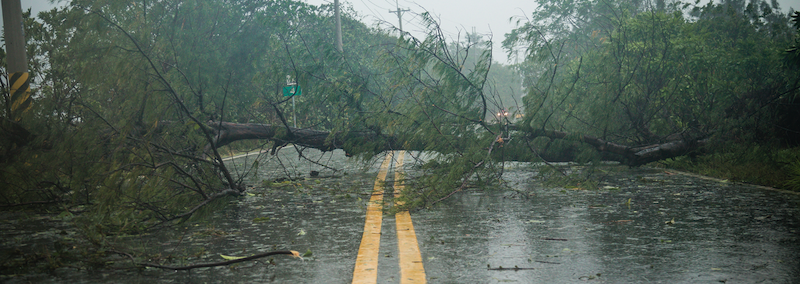
They are not dependable, as they don’t provide the right traction. On the other hand, all-season tires are suitable for all temperatures and will help you move through rain and light snow.
So, if you live in a region that experiences drastic changes in the weather conditions but don’t want to switch to seasonal tires, all-season tires are the best choice.
Replace Worn Windshield Wipers
For regions that experience frequent heavy rainfall, dust, storms, or snow, visibility is very important. Windshield wipers are important for a clear view.
Now, wipers naturally wear over time, which can cause streaks or poor water removal from the windshield. Experts recommend that it is important to change the windshield wipers every six to twelve months.
Also, investing in premium silicone blades is a good idea because they last longer and perform better during heavy rainfall.
Along with replacing the wipers, use a quality windshield washer fluid to keep the surface clean in all weather conditions.
Upgrade Your Vehicle Headlights
Bad weather conditions are not always the prime reason for poor visibility. Sometimes, poor visibility is also caused by low-quality and low-capability headlights.
Along with low-quality headlights, aging headlights can also make nighttime driving and driving through storms much more difficult.
Choosing new-generation LED headlights is a smart choice, as they offer better illumination, longer lifespans, and lower energy consumption compared to the older halogen headlights.
Also, all the brake lights, turn signal lights, and fog lights must be functioning properly to help other drivers see your car more clearly during adverse weather conditions.
Keep Your Battery in Top Condition
Cold weather conditions are a silent killer for your vehicle’s battery, as they reduce its performance. During the winter weather, driving your vehicle becomes increasingly difficult.
On top of it, when your vehicle’s battery shuts down due to extremely cold temperatures, you may have to face many more difficulties.
An aging battery may struggle to start your vehicle during the winter mornings. To avoid these situations, have your battery tested before the winter season arrives.
In addition, clean the battery terminals and replace weak batteries if they are older than three years. These small steps can help prevent inconvenient vehicle breakdowns and help you stay safe during bad weather conditions.
Maintain Proper Tire Pressure
Even if you invest in the best quality tires, they are not going to perform well without proper tire pressure. One thing that you must understand is that tire pressure changes with temperature and often drops during the colder months.
Underinflated tires reduce fuel efficiency, wear unevenly, and provide less responsive handling. So, check the pressure of your tires once a month or before going on long trips for the best grip and stability no matter what the weather conditions are.
Check Your Braking System
The braking system is a very important component of your vehicle. Regardless of what the weather conditions are, worn-out brake pads reduce the stopping power, especially on wet roads.
Schedule a regular brake inspection to address unusual noises, vibrations, or longer stopping distances immediately.
Conclusion
Driving safely, no matter what the weather conditions are, begins with smart upgrades and regular inspection. When you combine these preventive measures with smart driving techniques, you are ready for all types of weather and road conditions.
