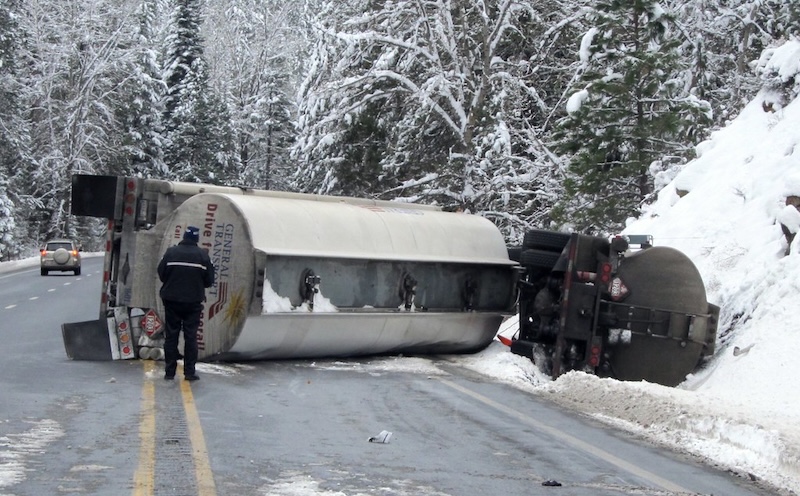
Atlanta’s busy freight corridors bring commercial trucks into regular contact with passenger vehicles, and a collision involving one of these large vehicles can have serious consequences.
In the aftermath, injured people may be left dealing with medical care, time away from work, and uncertainty about how the crash occurred. Establishing fault is not always straightforward, especially when several parties may have played a role or a trucking company holds key records.
For someone injured in a truck collision, a John Foy Atlanta truck accident lawyer can help explain how the available evidence may establish responsibility and support a claim.
Legal guidance can help when the driver’s account is disputed, company records need to be preserved, or other parties’ actions require closer examination. A clear understanding of the facts can make it easier to determine what happened and what steps may be needed next.
Identify each party’s role
A truck driver’s mistake is only one possible cause. A trucking company can share responsibility when its decisions, supervision, or maintenance practices contributed to the collision. A repair provider or cargo handler may also be responsible if a mechanical failure or shifting load played a part.
The John Foy truck accident lawyer page describes help with truck crashes in Atlanta. When a collision involves serious injuries, a legal investigation can seek records held by the driver or trucking company and compare them with evidence from the scene. That work can help test whether a driver’s account fits the physical facts.
For instance, a driver might lose control after a tire fails, but inspection and repair records could show whether the failure resulted from poor maintenance. A careful investigation tests each explanation against the available evidence.
Preserve evidence from the scene
Photographs can record vehicle positions, damage, skid marks, debris, road conditions, traffic signs, and visibility. Take them only when it is safe. Get contact information for witnesses, and note where each person stood and what they could see.
Secure records before they disappear
Commercial trucks generate records that can clarify the events before a crash. Driver logs and dispatch messages can help establish timing, while onboard data can show vehicle speed or braking. The specific records available depend on the truck and the circumstances.
Write down the names of the trucking company, driver, and any other involved parties. Keep the crash report, photographs, medical paperwork, and repair estimates together. A prompt request to preserve relevant records can matter because routine business practices do not always keep them indefinitely.
Compare accounts with physical evidence
A driver’s statement is one piece of evidence, not the whole case. Compare it with vehicle damage, road marks, witness descriptions, and available truck data. For example, damage patterns can help show where vehicles met, while the location of debris can help clarify their movement after impact.
Record inconsistencies without changing original documents or adding guesses. If a witness later remembers a detail differently, preserve both accounts and the dates they were made. Accurate notes make it easier to see which facts remain supported.
Examine company and maintenance decisions
A trucking company’s hiring, training, supervision, and scheduling records can help explain whether its decisions contributed to the crash. Maintenance files can show when the truck was inspected, what defects were found, and whether repairs followed. A missed brake problem, for example, calls for review of the inspection and repair history.
Cargo records matter when the truck’s load shifted, spilled, or affected handling. The evidence should connect a particular decision or failure to the collision, rather than relying on a general claim that a company acted carelessly.
Connect injuries to the collision
Fault evidence must establish how the crash caused the claimed harm. Medical records can document when symptoms began, what providers observed, and how treatment progressed. Keep discharge papers, test results, prescriptions, and bills, along with notes about work limits and daily difficulties.
Report symptoms accurately and follow the treatment plan your providers set. Gaps in care or inconsistent descriptions can give an insurer grounds to dispute whether an injury came from the crash. Don’t guess at a diagnosis or minimize a problem when speaking with a provider.
Test the insurer’s explanation
An insurer may focus on a brief statement or a single photograph while overlooking records that point to another cause. Compare its explanation with the full timeline, physical evidence, witness accounts, and medical documentation. Ask which facts support its position and whether it considered the trucking company’s records.
Avoid signing a broad release or accepting a settlement before you understand what evidence the insurer reviewed. Keep copies of letters, forms, and offers. A written record helps show what you requested, what you provided, and which questions remain unanswered.
Conclusion
The most useful next step is to build a dated record while details are fresh: preserve scene photographs, collect names and documents, and keep medical records together. Avoid filling gaps with assumptions; mark what you know and what still needs verification. If the trucking company or insurer controls important evidence, a prompt legal review can help identify what to request and how to connect it to the crash.
