
Water Quality Monitoring equipment choices that cut maintenance hours offer a reliable way to prevent costly regulatory excursions for large site maintenance teams, operators, and facilities managers.
This guide reviews 5 equipment categories and products from top brands, comparing what each tool measures, the manual tasks it eliminates, and how it reduces maintenance hours.
We have analyzed industry data and environmental protection guidelines. You will discover the most sensible order to deploy these tools to minimize repeat site visits and prioritize your budget effectively.
1. Moored Dissolved-Oxygen and Temperature Sonde with Telemetry
A moored dissolved-oxygen and temperature sonde continuously measures oxygen stress and thermal stratification. Continuous DO measurements are made through deployment of an in-situ DO sensor and use of specific equipment components. These components include:
- A data logger integrated with the sensor or external to it
- A connection and method of communication remotely via telemetry
This setup catches drift early, preventing fish stress or permit issues, and depending on fouling and water chemistry, calibration is typically required every two to four weeks.
Key Takeaway: Relying on continuous sonde data eliminates the need for repeated manual spot checks and blind weekly grab-sample reliance.
2. Surface Aeration for Stratified Water
For aerating a quarter-acre or larger body of water, surface aeration improves circulation and oxygen transfer. It removes reactive diagnosis and chemical treatment tasks because mechanical correction is often cheaper than repeated chemical responses.
Everblue Pond’s efficient aerating lake fountains are an effective equipment choice that can cut maintenance hours by combining aeration and water movement in a single unit, reducing the need for separate treatment interventions.
Furthermore, water quality improvements associated with hypolimnetic aeration allowed discontinuation of prechlorination at Norfolk water treatment plants. The reduction in chlorine demand of the lake water contributed to lower total chlorine usage, making aeration a practical first step.

Key Takeaway: Mechanical aeration treats the root causes of stratification immediately, significantly reducing downstream chemical processing requirements.
3. Automated Dosing Unit Tied to Sonde Readings
An automated dosing unit feeds chemical treatments only when active sensor readings justify the application. This setup removes routine manual dosing rounds, significantly reducing unnecessary treatments and site visits.
Operators must never run these systems open-loop, as automation without continuous sensor feedback can simply make errors faster. Combining dosing with reliable sonde data ensures precise chemical application without wasting valuable resources.
Key Takeaway: Closed-loop automated dosing guarantees that chemical treatments are applied efficiently and only when scientifically justified by active sensor data.
4. Standardized Lab Consumables for Testing
Standardizing lab consumables, such as Restek’s standardized GC inlet liners, ensures on-site confirmatory chromatography remains repeatable between different analysts.
It is widely accepted that gas chromatographic septa degrade relative to the operating temperature of the injector and physical interaction with the syringe needle.
This interaction causes shedding of particles, which accumulate in the injection port liner, leading to reactive compound breakdown.
Predictable replacement reduces the amount of time an instrument may be operated between inlet maintenance, ultimately protecting data integrity.
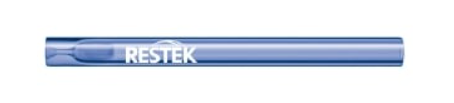
Key Takeaway: Consistent method variables and predictable consumable replacements prevent avoidable reruns caused by inconsistent equipment setups.
5. Dashboard and Alerting Layer
A comprehensive system with dashboard alerts combines sondes, aerators, dosing logs, and lab results into one centralized exception report. This software approach removes the manual task of checking separate systems across different locations.
Maintenance staff can bypass routine inspections and focus only on specific sites needing active attention. Centralizing this data requires less spreadsheet archaeology, ensuring compliance teams spend their time fixing genuine problems.
Key Takeaway: Centralized exception reporting allows maintenance staff to efficiently prioritize sites requiring immediate intervention rather than performing routine checks.
Recommended Deployment Sequence
To successfully cut maintenance hours, start with continuous sonde monitoring to establish a baseline. Next, add aeration where low oxygen recurs and introduce automated dosing only after your sensor data proves reliable.
Standardize your lab consumables to ensure accurate confirmatory testing. Finally, implement a dashboard so staff manages exceptions instead of routine checks.
Frequently Asked Questions
How does continuous monitoring cut maintenance hours?
Continuous monitoring tools replace blind spot checks with automated data collection. This actively reduces the time spent on manual sampling rounds.
Why is surface aeration considered a maintenance-saving tool?
Mechanical aeration treats root causes of stratification immediately. This prevents the need for repeated, time-consuming chemical diagnosis.
Main image from Everblue Pond
