You likely check the locks on your doors before heading to bed every night. You keep your physical valuables tucked away from prying eyes, yet the most sensitive details of your life now live entirely in the cloud.
We often treat our devices like permanent storage lockers, leaving front doors wide open across the internet. Treating your devices with the same vigilance you apply to your home requires shifting your perspective.
What Digital Cleanliness Means and Why it Matters
Digital cleanliness involves routine maintenance on your devices to close security gaps that malicious actors actively exploit.
Software developers frequently patch vulnerabilities, meaning running outdated programs leaves your system exposed to identity theft and network breaches. When you ignore update prompts or hoard dozens of unused applications, you give attackers more access points to your private data.
Start treating password management and app audits as regular chores, as doing so drastically reduces the surface area available for hackers to target.
Build Strong Everyday Security Habits
Protecting yourself daily requires building a robust foundation of security practices.
Multi-factor authentication adds a vital secondary barrier, blocking unauthorized logins even if someone steals your primary credentials. Relying on a password manager allows you to generate complex, unique codes for every login without having to memorize a chaotic string of characters.
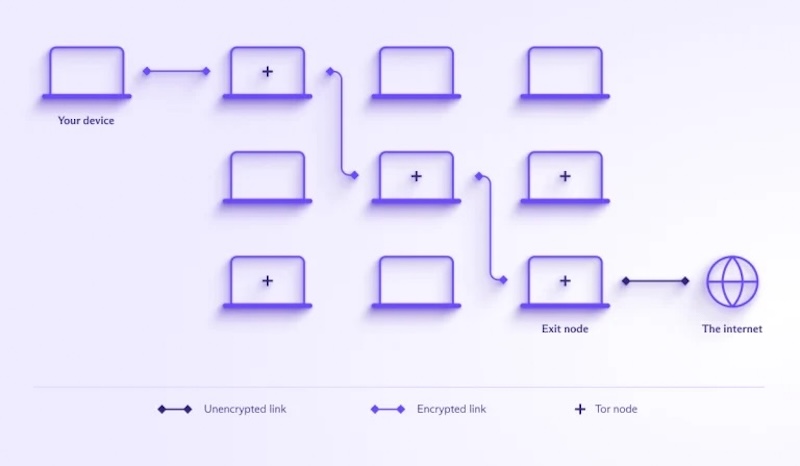
You might also explore privacy-focused tools like the Tor browser if you need to obscure your internet traffic from local network surveillance.
Recognizing phishing attempts also plays a key role here; carefully verifying sender addresses prevents you from handing over the keys to your digital life during a momentary lapse in judgment.
Clean Up Your Digital Footprint and Protect Your Privacy
Every account you create and abandon leaves behind a breadcrumb trail of your personal data. Companies frequently experience breaches, meaning the billing details you gave a random online retailer five years ago could suddenly appear on the dark web.
You lower this exposure significantly by reviewing app permissions and restricting what data tech platforms can harvest from your phone. Delete old accounts you no longer actively use.
Sharing intimate location details or family connections on social media gives scammers the exact contextual information they need to craft highly targeted social engineering attacks against you.
By keeping your public profile sparse, you starve data brokers and criminals of the raw material they need to compromise your identity.
Stay Ahead of Emerging Digital Threats
Online threats shift rapidly, fueled by artificial intelligence that makes scams increasingly difficult to spot.
Criminals now use generative AI to write flawless phishing emails and deploy audio deepfakes that mimic the voices of your loved ones in distress.
Federal agencies like the Cybersecurity and Infrastructure Security Agency (CISA) are pushing for faster threat response times across the United States, but national defense strategies ultimately rely on individuals securing their own perimeters.
Stay skeptical of unsolicited requests for money or urgent action, regardless of how authentic the sender appears. Maintaining good digital hygiene serves as your best defense against both current automated attacks and whatever sophisticated techniques hackers invent tomorrow.
