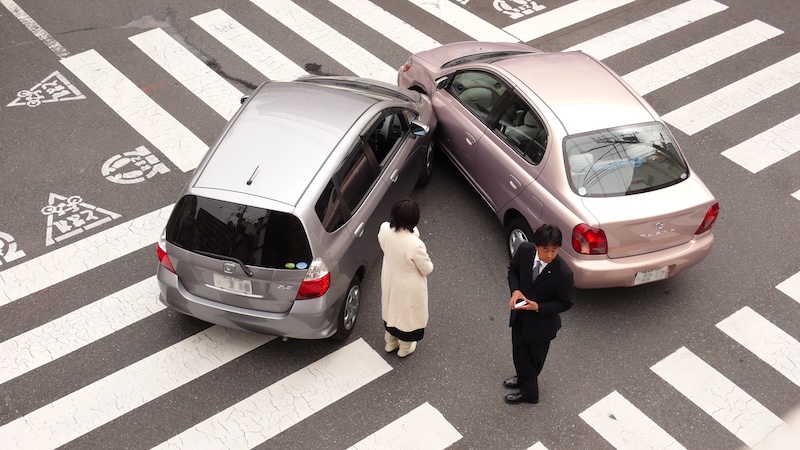
Vacation planning rarely includes a backup plan for a car crash. Yet travelers face a decision almost every trip that carries more legal weight than most people realize: rent a car, or hop into a self-driving vehicle like Waymo.
Both options come with real trade-offs. A rental car puts you behind the wheel on unfamiliar roads, often in an unfamiliar vehicle.
A self-driving ride removes the wheel from your hands entirely, but it introduces a different kind of complexity if something goes wrong. Understanding the difference matters before you book anything, not after you are sitting in an emergency room far from home.
Two Very Different Risk Profiles
Renting a car means you are the driver. If you cause a crash, your liability depends on the rental agreement, the state’s insurance rules, and whether you purchased supplemental coverage at the counter. If someone else hits you, the claim runs through their insurance, but rental company paperwork can slow things down.
A self-driving vehicle shifts that structure. There is no human driver making split-second decisions, so questions about fault often point toward the vehicle’s sensors, software, or the company operating the fleet.
That is a fundamentally different type of claim than a standard car accident, and it usually requires a different approach to evidence and liability.
Travelers who assume both situations work the same way often end up frustrated when their claim moves slower than expected, or when an insurance adjuster tries to shift blame onto them by default.
Why Rental Car Claims Get Complicated Fast
A rental car accident involves more moving parts than a crash in your own vehicle. There may be:
- The at-fault driver’s personal insurance
- The rental company’s own coverage or waiver
- Your personal auto policy, if it extends to rentals
- A credit card’s rental protection benefit
Each of these can dispute responsibility or delay payment while pointing to another party. Add in the fact that you are likely unfamiliar with local roads, exits, and traffic patterns, and it becomes easier to see why liability disputes are common in rental car crashes.
Documentation matters more here than people expect. The rental agreement, the vehicle’s condition report, and any dashcam or telematics data the rental company holds can all affect how the claim gets evaluated.
Because insurers may look for any reason to reduce a payout, understanding the steps to take after a rental car accident before you travel again can make a real difference in how smoothly a claim proceeds.
When the Vehicle is Driving Itself
Self-driving rides like Waymo raise a different question entirely: who is responsible when there is no driver to blame? These claims often depend on data most passengers never think to preserve, including the vehicle’s sensor logs, the ride record from the app, and any incident report the company generates internally.
This is a newer area of injury law, and it moves fast. Because liability may involve the technology company rather than a person, these claims can require a different kind of investigation than a typical crash.
Anyone hurt in this type of accident may benefit from guidance from a self driving car accident lawyer who understands how to request and preserve that data before it disappears.
Passengers sometimes assume that riding in an autonomous vehicle removes their exposure to a legal dispute. In practice, it can create new ones, especially when the company’s data retention policies are unclear or when multiple parties try to point at each other.
Resort Property Adds Another Layer
Vacation injuries do not stop at the parking lot. Resort shuttles, valet services, and hotel parking areas introduce premises liability questions on top of any vehicle-related claim.
A poorly lit resort parking lot, a shuttle driver who was not properly trained, or a valet attendant who mishandled a vehicle can all shift part of the responsibility onto the property itself.
If a crash happens on resort grounds, it is worth asking:
- Who owns and maintains the parking area or shuttle service
- Whether the resort has surveillance footage of the incident
- Whether the vehicle involved was owned by the resort or a third-party contractor
These details are easy to overlook while trying to enjoy a trip, but they can matter later if a claim becomes disputed.
What to Do Before You Leave the Scene
Regardless of which situation you are in, a few steps stay consistent:
- Photograph the vehicles, the road or lot, and any visible injuries
- Get the names and contact information of every driver, witness, and property employee involved
- Request a copy of any incident report before leaving
- Avoid discussing fault with anyone at the scene
For rideshare and self-driving incidents, also try to screenshot the ride details in the app before they can be edited or removed. That record often disappears faster than people expect.
Getting Home Does Not End the Claim
Many travelers deal with a crash abroad or out of state, then assume the claim has to be handled entirely where the accident happened. In many cases, an injured Texan can still work with a Texas-based attorney while the claim itself is filed elsewhere.
Joe I. Zaid & Associates works with clients who were hurt while traveling, including situations involving rental vehicles and autonomous rides, and helps sort out which insurance policies and companies are actually responsible.
Understanding your options before a trip, not after an accident, puts you in a much stronger position if something goes wrong.
Whether the situation involves a rental agreement, a resort’s shuttle service, or a ride with no driver at all, knowing what to preserve and who to contact can shape how the claim unfolds.
