Industrial work used to mean staying put. Office staff sat at their desks all day, engineers spent most of their hours on-site, and factory teams worked from the same fixed stations day after day. That’s not really the case anymore.
These days, a lot of industrial professionals split their time between the office, the plant floor, customer sites, and even their own kitchen table. A maintenance engineer might go through inspection reports at home before heading out to a plant later that afternoon.
A project manager could bounce between video calls and walking the manufacturing floor, all in the same day. This kind of flexibility has made one thing pretty obvious: your hardware isn’t just a nice-to-have anymore. It’s essential.
Technology now ties together every part of how industrial operations run. Whether you’re coordinating schedules, digging through data, or collaborating with people across different sites, you need a device that’s reliable, easy to carry, and strong enough to handle whatever your day throws at it.
Industrial Work Has Gone Mobile
Manufacturing and industrial companies have picked up the pace on digital transformation. Cloud tools, connected equipment, remote monitoring, and collaboration software have made it possible to stay productive from almost anywhere.
That doesn’t mean the hands-on side of the job has disappeared. Engineers still show up to facilities. Operations managers still walk the floor. Sales teams still meet clients face to face. What’s changed is that the planning, reporting, and communication side of things now mostly happens on a screen.
Since you’re moving between different environments throughout the week, having a laptop you can count on has become part of the job itself, not just a convenience.
Being Mobile Shouldn’t Mean Giving Something Up
If you travel for work often, you already know how fast a heavy laptop turns into a burden. Walking through airports, moving around a big facility, or just commuting every day gets a lot easier when your bag isn’t weighed down.
That’s part of why more businesses are turning to lightweight laptops. Today’s business notebooks pack a surprising amount of power into a slim frame. They handle everyday multitasking, video calls, cloud software, and document work without breaking a sweat, even when things get demanding.
The benefit goes beyond just comfort, too. When you can carry your laptop without thinking twice about it, you’re more likely to actually get work done wherever you land, whether that’s a conference room, a warehouse office, or a client’s site.
Performance Still Has to Show Up
Being light and portable is great, but it doesn’t count for much if the hardware can’t keep up when you actually need it to work.
Industrial professionals often have a lot going on at once. In a single session, you might be reviewing technical drawings, updating inventory numbers, sitting in on a video call, checking email, and pulling up cloud-based business tools, all at the same time.
When your laptop starts lagging through all that, it slows you down. Waiting on files or apps might not seem like a big deal in the moment, but those little delays pile up over weeks and months.
Modern processors, faster SSDs, and enough memory to go around let today’s laptops stay responsive even when you’ve got a lot running at once. And as AI tools start showing up more in daily work, having capable hardware underneath them makes those features actually useful instead of frustrating.
Staying Connected No Matter Where You’re Working
Hybrid work needs more than raw processing power behind it. You also need hardware that plays well with whatever’s around you.
Industrial professionals are constantly plugging into external monitors, moving files with a portable drive, hooking up to a projector for a presentation, or setting up a temporary workspace with a docking station.
Solid wireless connectivity matters just as much. Strong Wi-Fi and Bluetooth make it easier to work with your team, get into cloud platforms, and avoid those annoying connection drops.
The fewer adapters you have to dig through and the fewer compatibility headaches you run into, the smoother your day goes.
Your Data Travels With You
As work gets more flexible, your company’s data ends up traveling right along with you.
Engineering files, customer details, production records, and financial reports get pulled up from all kinds of locations throughout the day. Keeping that information safe has become a top priority for companies of every size.
Most business laptops now come with things like fingerprint readers, TPM security chips, webcam shutters, and encrypted storage to help keep sensitive information locked down. These features let you work without worrying, and without adding extra hassle to your day.
Good security isn’t only about blocking cyber threats. It also helps a company stay on top of its internal policies while still giving you a simple, convenient way to get to the information you actually need.
Battery Life Makes a Bigger Difference Than You’d Think
You’re not always going to have an outlet nearby.
Field engineers, consultants, project managers, and sales reps often spend long stretches moving from meeting to meeting or job site to job site. A battery you can trust means you get to focus on the actual work instead of hunting for somewhere to plug in.
Newer laptops have gotten a lot more efficient, giving you longer battery life without giving up performance. Fast charging helps too, letting you grab back a few hours of work time during a short break.
For anyone with a packed schedule, those small upgrades end up making a real difference throughout the day.
Built to Take a Beating
Industrial environments aren’t exactly gentle on equipment.
Your laptop rides around in a backpack, moves between buildings, bounces around in a company vehicle, and gets opened and closed more times than you’d probably want to count. A tougher build means it keeps working the way it should despite all that movement.
A lot of premium business notebooks now use aluminum or magnesium alloy bodies, which strike a good balance between strength and weight. Solid build quality also means the hardware lasts longer, which cuts down on maintenance costs and keeps unexpected downtime to a minimum.
For companies buying equipment in bulk, durability often matters just as much as raw specs.
Picking Hardware That’s Built for the Long Run
Choosing business hardware isn’t just about comparing numbers on a spec sheet. You’re also thinking about reliability, support, warranty coverage, and whether the manufacturer actually has a track record of building dependable machines.
Companies with real experience in business computing know that professionals expect more than good benchmark scores. They need something that performs the same way, day after day, without fail.
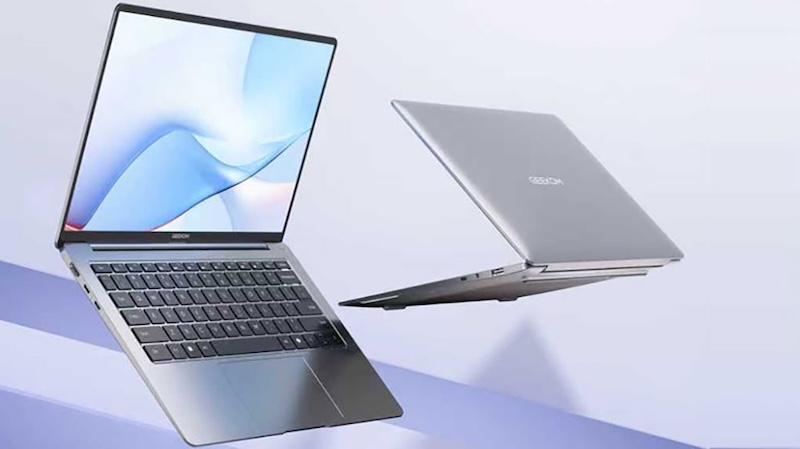
GEEKOM has built a name for itself with compact computing solutions and has grown its lineup to include notebooks made for professionals who care about both portability and performance.
If you’re looking for a dependable lightweight notebook manufacturer, it’s worth considering not just the hardware itself, but the long-term value that comes from solid engineering and support you can actually rely on.
Looking Ahead
The industrial workplace is going to keep changing as automation, cloud computing, AI, and digital collaboration become even bigger parts of the job. You’ll likely spend less time tied to one desk and more time working wherever your responsibilities take you.
That shift makes reliable hardware more important than ever.
A laptop isn’t just another office tool anymore. It’s what connects you to your colleagues, your customers, your production systems, and your data, all throughout the day.
Companies that invest in well-built, dependable laptops are giving their people the freedom to stay productive no matter where work takes them, without giving up performance or security.
As hybrid work keeps reshaping modern industry, the hardware decisions you make now will play a real role in keeping things running efficiently, staying connected, and staying ready for whatever’s next.
