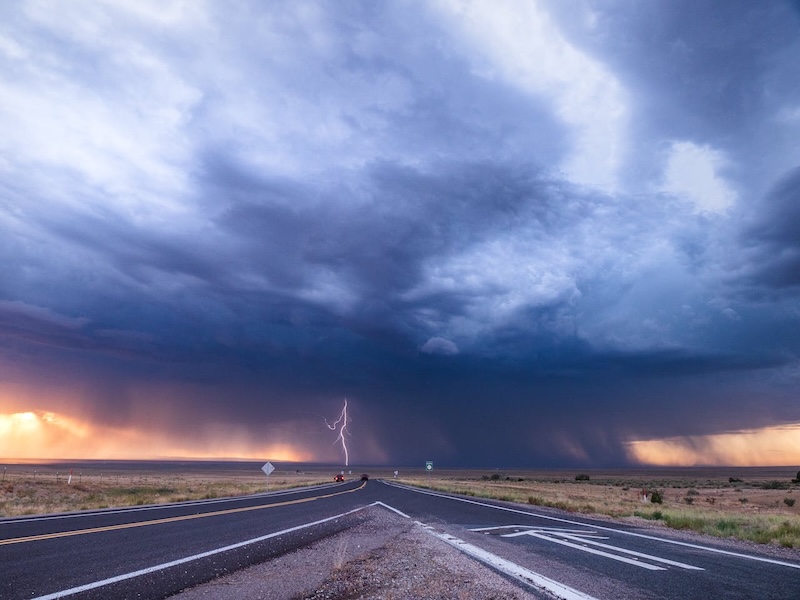
Field operations face unpredictable weather patterns that can jeopardize safety and stall progress in an instant. Whether it is a construction site or an emergency response, the atmosphere plays a role in daily success. Traditional forecasts struggle to capture localized storms.
Fixed location radar stations are essential but they frequently leave significant blind spots in remote or mountainous regions. These gaps in data mean teams often operate without the full picture of risks. Reliance on distant data is a huge gamble for them.
Securing high resolution data at the site is the only way to ensure protection for assets. Many organizations are now turning to portable weather radar systems to fill information gaps during sensitive missions. This technology provides the precision needed to manage volatile atmospheric conditions.
High Frequency Technical Benefits
High frequency X-band technology represents a leap forward for detecting small scale storms that usually slip under the radar of larger systems. These units pick up fine details in the atmosphere that signal the beginning of a severe event. It is about catching threats early.
Rapid deployment capabilities allow for immediate intelligence during high stakes situations such as wildfires or complex search and rescue missions. When every second counts, having a dedicated unit set up in minutes provides a life saving advantage. Teams move equipment as situations shift.
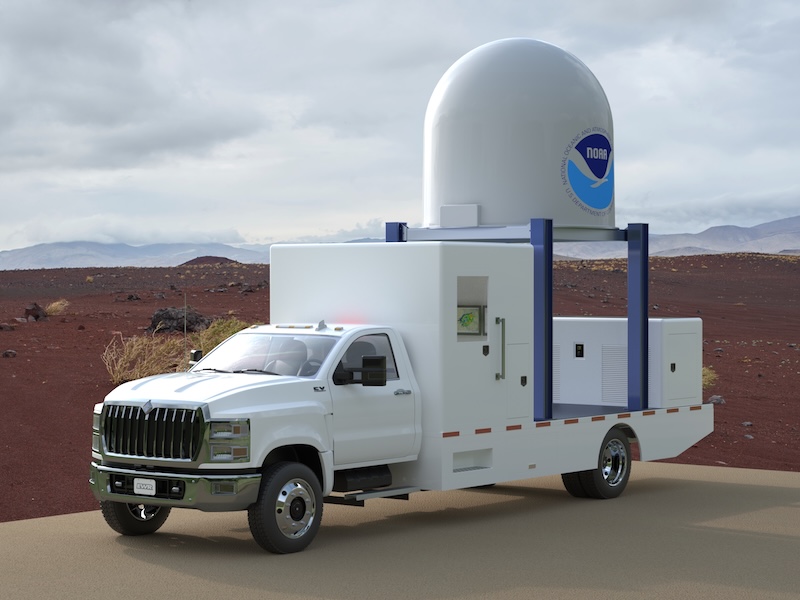
Detecting moisture and wind patterns at a local level gives commanders confidence to make split second decisions about personnel safety. This level of granular detail is not available through standard weather apps or distant towers. Having the right tools on the ground changes outcomes.
Enhancing Remote Aviation Safety
Enhancing aviation safety at temporary airfields or remote logistics hubs is one of the most critical applications for this mobile technology. Pilots need accurate wind shear data and precipitation maps to land safely in unconventional environments. It is a vital layer of protection for air crews.
The role of real time data extends to protecting high value equipment and personnel stationed on site for long periods. Knowing exactly when a lightning storm is approaching allows for a controlled shutdown of sensitive operations. This proactive approach prevents damage to million dollar machines.
Remote operations often lack the sophisticated infrastructure found at major airports, leaving them vulnerable to sudden atmospheric shifts. By placing a dedicated sensor at the site, teams create a bubble of safety around their most important assets. This reliability is the baseline for successful logistics.
Compact Design and Network Integration
Compact trailer mounted systems are designed to be integrated into existing meteorological networks without requiring a massive infrastructure overhaul. These units act as gap fillers that feed data back to a command center for a complete picture of the weather. It is a collaborative approach.
Low power consumption and autonomous operation make these units ideal for the field where resources might be limited. Many systems run on solar power for extended periods without needing constant human intervention. They work silently in the background of every single mission.
The ability to operate in rugged environments ensures that the equipment stays functional regardless of the terrain or temperature. Whether in a desert or a frozen tundra, the hardware is built to endure the elements. This durability ensures that vital data flow never stops.
Monitoring Events and Agriculture
Mobile radar is also finding its way into agricultural monitoring to help farmers protect their crops from sudden hail or frost. Having a precise look at the clouds moving over a field allows for targeted intervention and better resource management. It is a high tech way to farm today.
Sports and entertainment events benefit from localized tracking to ensure that spectators stay safe during outdoor festivals. Being able to predict lightning or a downpour with minutes to spare allows for a calm and orderly evacuation. Safety is always the primary priority for every organizer.
Nowcasting is becoming the primary defense against volatile events because it focuses on the immediate future rather than a broad daily forecast. This hyper local approach allows for responses tailored to the exact path of the storm. It provides a level of certainty that saves lives.
Final Reflections
Operational resilience is built on a foundation of mobile meteorological intelligence that adapts to the specific needs of the sector. When you have the power to track the atmosphere in real time, you remove guesswork from decision making. It is a smart way to manage risk.
Reflecting on the future of localized weather tracking shows that these systems will only become more vital as our climate continues to shift. Volatility is the new normal, and being prepared for changes is a baseline requirement for professional operations. We are moving toward a data driven world.
Final thoughts emphasize that the ability to see through the storm provides the confidence needed to succeed in any environment. Protecting people and assets is a job that requires the best possible tools. The future of safety is portable and precise for everyone.
