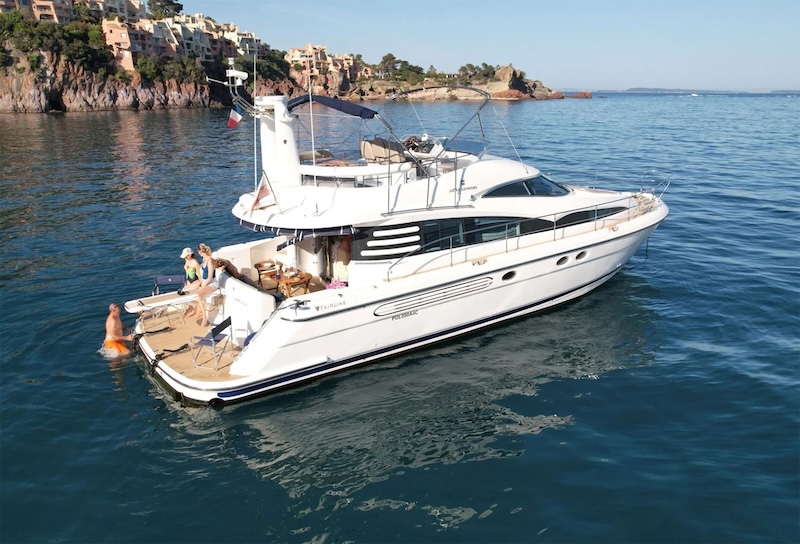
Every summer Cannes fills up with yachts. Dozens of vessels berth in the old port, from modest sailing boats to gleaming white superyachts with helicopter pads. The city has long been one of the main hubs for Mediterranean chartering, and the sheer number of options on offer is enough to make anyone’s head spin.
The trouble is, finding a decent broker among all this turns out to be harder than it looks. You want someone you can trust with your money and your holiday, and that person isn’t always the first one in the search results. Some people end up dealing with resellers.
Others sign contracts without reading the fine print and are surprised later by hidden surcharges. Anyone planning a yacht charter in this region for the first time will benefit from a few practical reference points. And experienced renters won’t lose anything by running through the checklist again before they rent a motorboat in Cannes for a new season.
Why You Actually Need a Broker
The idea of going without a middleman is tempting. Find a yacht on a marketplace, message the owner, agree on a price, save the commission. It sounds logical. In practice the scheme falls apart.
The owner often lives in another country and has no real idea who the current crew is, when the engine oil was last changed, or what fuel costs at the Cannes marina in July. All of these questions land on the broker’s desk.
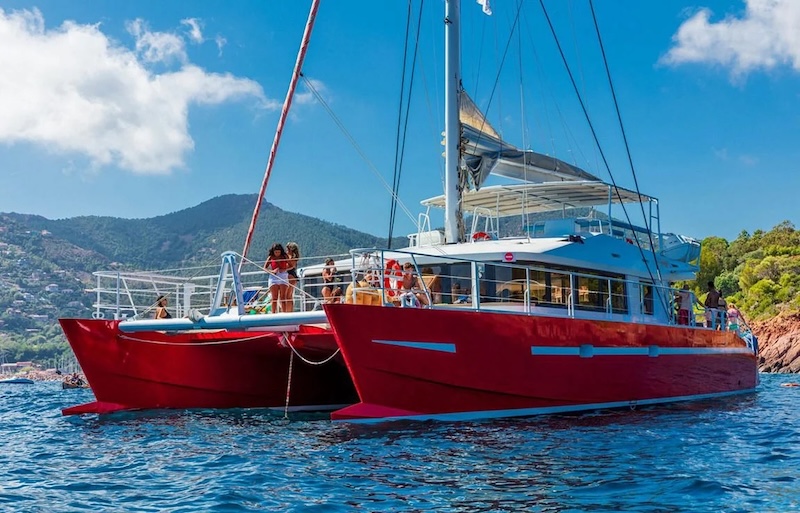
A good broker checks the technical condition of the vessel, drafts or reviews the contract, coordinates the captain and stewards, and knows port fees and seasonal price swings. They’re also the person who fixes things when something goes wrong.
Air conditioning broken in your cabin? The broker will find a replacement boat within an hour or arrange the repair. Try getting the same response from an owner sunbathing somewhere in Bali.
There’s a legal side too. Yacht rental on the French Riviera falls under French maritime law. The contract spells out the description of the vessel, the route, insurance, deposit conditions and the responsibilities of both parties.
Going through all of that without legal support is risky. You can easily sign a contract where the penalty for a scratch on the hull is more than the cost of the charter itself.
What to Look for When Choosing
Start by checking the legal status of the company. A proper broker is registered in France or another EU country and holds a licence to operate in maritime tourism. It’s a good sign if the company belongs to MYBA or ECPY. Membership in these associations means the broker has passed a professional review and agreed to play by industry rules.
Next, look at how they price their services. A decent broker sends you a detailed breakdown before any paperwork is signed. The base charter rate is only one piece of it. On top come fuel, port fees, provisions, crew tips and the security deposit. When somebody quotes you a single attractive number and refuses to break it down, look for a different broker.
Pay attention to what the broker actually works with. Some companies have their own fleet. Others source private yachts in Cannes from the catalogues of several owners. Both setups work, but in the second case ask whether the broker has seen the boats in person and whether they’re prepared to take responsibility for the condition of the vessel.
Reviews are also worth reading, but not on the company’s own website. Look on independent platforms. Search for reviews that mention specific yachts, dates and routes. Generic praise along the lines of “everything was great, thanks” tells you nothing.
How to Assess the Fleet
The photos on a broker’s website are a display window, not a guarantee. The shots could have been taken three years ago, right after a refit. Since then the upholstery may have picked up stains, the teak deck has darkened, and the plumbing in the head has started to leak. Before signing anything, ask for fresh photos and videos of the interior, the deck and the engine room.
A serious broker will offer a video walkthrough on their own initiative or invite you to inspect the boat at the marina. When they dodge your request, mention that the crew is busy, or say the yacht is currently moored at another port, that’s a red flag.
Ask to see the class certificate, the insurance policy, and the report from the last technical inspection. A professional will pull these documents up in five minutes.
The boats in Cannes vary widely. You can take a compact ten or twelve metre day cruiser for an afternoon along the coast, or charter a vessel with three cabins and a full galley for a week. The choice comes down to your plans and the number of guests.
Yacht Charter French Riviera and Market Standards
For a concrete reference point, it’s worth mentioning Yacht Charter French Riviera. The company works along the Provence coast and offers vessels in several categories. Operators like this one are useful for calibrating expectations: working out what level of service counts as standard and what goes beyond it.
A competent broker doesn’t just send you a catalogue link and walk away. They ask questions: where do you want to go, how many people will be on board, what’s the budget, are there any special requirements. Then they come back with three or four options and explain why each one fits the brief. If instead you get “here’s the website, take a look yourself”, you’re not dealing with a broker. You’re dealing with a directory.
Another indicator of quality is how the broker handles non-standard requests. A corporate lunch on board, a birthday with fireworks, a magazine shoot at sunset. An experienced agent knows which permits are needed and how to negotiate with the port authorities. Someone who simply resells other people’s slots will shrug at questions like these.
Typical Mistakes Renters Make
The first mistake is chasing the lowest price. An offer that sits 30 to 40 percent below the market almost always means there’s a catch: an old vessel, dubious insurance, an unlicensed crew. Saving a few thousand euros can backfire when something breaks down out at sea.
The second mistake is leaving the booking too late. From June to September the French Riviera is in peak season, and the decent yachts get reserved three to four months before the departure date. Anyone who starts looking a week before will be picking from what’s left.
The third is signing the contract without reading it. Pay particular attention to the clauses on damage penalties, cancellation conditions and how the deposit is returned. Even if the broker swears the form is standard, run your eyes over each paragraph. And clarify in advance whether the crew is included in the price: a larger vessel requires a licence, and without a captain you may simply not be allowed out of the port.
The yacht charter market in Cannes is well established. There are plenty of good brokers, but there are plenty of frauds too. Check the documents, read the reviews, compare the cost breakdowns, and don’t fall for suspiciously appealing prices. The hour you spend on due diligence will save you both money and nerves.
