
LED technology has become the backbone of modern handheld devices, powering everything from smartphone displays to tablet backlighting and wearable indicators.
As consumer demand for brighter, more energy-efficient screens continues to climb, manufacturers and retailers alike face mounting pressure to source high-quality components without sacrificing their margins.
The challenge is real: component costs can quietly erode profitability, especially when purchasing through conventional retail channels.
This raises a critical question for retailers and procurement teams: does buying LED chips in bulk genuinely deliver better pricing and long-term value compared to standard retail sourcing?
The answer has significant implications for supply chain strategy, product competitiveness, and bottom-line performance.

Whether you are stocking affordable LED chips for repair markets or sourcing LED components for handheld devices at scale, understanding your purchasing options is essential.
This article breaks down the cost dynamics, explores key component types, and offers practical guidance to help retailers make smarter sourcing decisions in an increasingly competitive landscape.
Understanding the Role of LED Chips in Modern Handheld Devices
LED chips sit at the heart of virtually every modern handheld device, governing screen brightness, battery consumption, and overall user experience.
In smartphones, tablets, and portable gaming consoles, the LED chip serves as the primary light source for backlighting displays, illuminating notification indicators, and enabling camera flash functionality.
Without reliable, high-performance chips, device manufacturers simply cannot meet the visual standards consumers expect today.
Efficiency and affordability are the twin forces shaping demand for LED components for handheld devices. As screen resolutions climb and refresh rates increase, devices require more sophisticated lighting solutions that consume less power without compromising luminosity.
This dual pressure pushes both original equipment manufacturers and aftermarket suppliers to seek components that deliver consistent output across thousands of operating hours.
Affordable LED chips that meet these performance benchmarks have become particularly valuable in repair and replacement markets, where margins are tight and component availability directly influences service speed.
Market demand is also being shaped by the miniaturization trend. Handheld devices are getting thinner and lighter, which means the LED components embedded within them must occupy less physical space while maintaining or improving output.
This has accelerated the adoption of compact chip formats that integrate cleanly into dense circuit board layouts. For retailers supplying repair technicians or device assemblers, stocking the right LED chip variants means the difference between capturing a sale and losing it to a faster competitor.
Bulk vs Retail LED Chip Purchasing: A Comprehensive Cost-Benefit Analysis
When retailers compare bulk and retail sourcing models for LED chips, the pricing gap becomes immediately apparent. Retail channels typically apply per-unit markups that can range from 30% to 60% above wholesale cost, reflecting distributor margins, packaging overhead, and smaller transaction volumes.
Bulk purchasing bypasses many of these intermediary layers, allowing buyers to access manufacturer or distributor pricing that scales favorably with order size.
For a retailer sourcing LED components for handheld devices regularly, even a modest reduction in per-unit cost compounds significantly across thousands of units annually.
Minimum order quantities represent the most common barrier retailers encounter when transitioning to bulk procurement.
Most reputable LED chip suppliers set quantity thresholds that require upfront commitment, which can feel restrictive for smaller operations. However, the economics generally favor those willing to plan ahead.
Consider a retailer purchasing 500 units at retail versus 5,000 units through a bulk agreement: the per-unit cost difference can easily justify the larger inventory commitment, particularly when demand is predictable and storage capacity exists.
Competitive pricing in bulk orders also creates room to undercut competitors while maintaining healthy margins.
Beyond direct cost savings, bulk sourcing offers structural advantages that retail purchasing simply cannot match.
Consistent supply from a single bulk agreement reduces the risk of stockouts during peak demand periods, which is especially critical in repair markets where technicians need affordable LED chips on short notice.
Bulk contracts also create leverage for negotiating additional terms, such as priority fulfillment, extended payment windows, or access to newer component variants before they reach general retail channels.
Retailers who treat their LED chip sourcing strategically, rather than reactively, consistently outperform competitors who rely on spot retail purchases to meet fluctuating demand.

Key LED Components: PLCC LEDs and SMD LED Applications
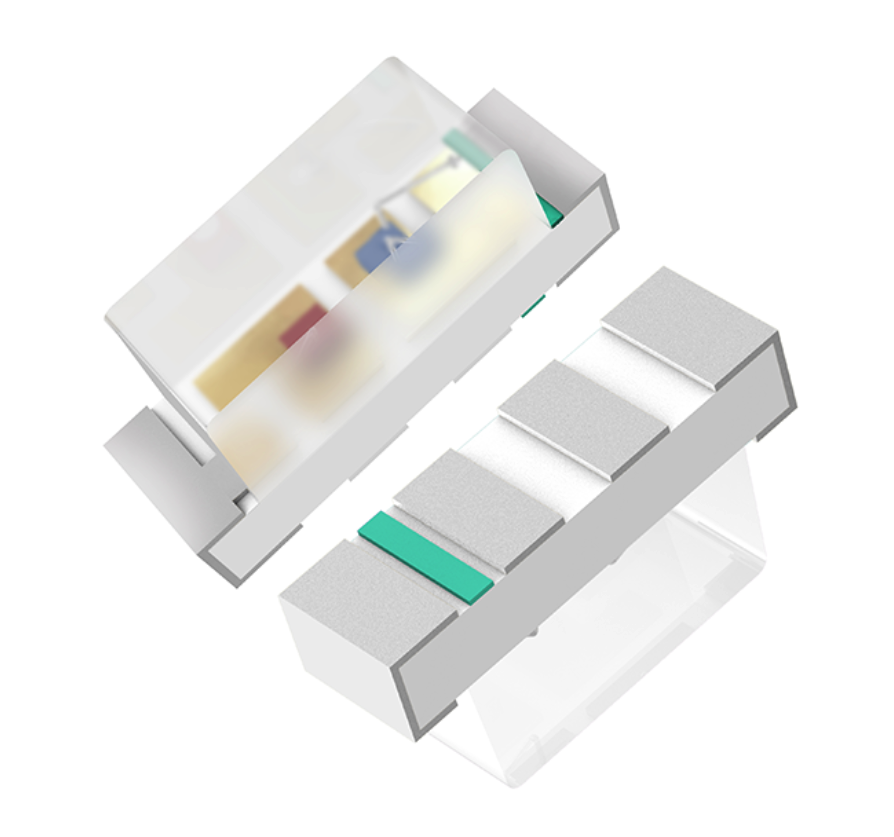
Two component formats dominate the landscape of LED chips used in handheld devices: PLCC LEDs and SMD LEDs.
Each serves distinct functions within device architecture, and understanding their differences helps retailers make more informed sourcing decisions, particularly when evaluating bulk purchasing options.
Why PLCC LEDs Are Ideal for Handheld Device Integration
PLCC LEDs, named for their plastic leaded chip carrier packaging, offer a compelling combination of mechanical durability and assembly efficiency. Their robust housing resists physical stress during device assembly and everyday use, making them a reliable choice for manufacturers prioritizing longevity.
The standardized footprint of PLCC packages simplifies automated placement on circuit boards, reducing assembly time and error rates.
Suppliers such as HQG OPTO have built their product lines around these standardized formats, making it straightforward for retailers to source PLCC LEDs in bulk while ensuring consistent compatibility across multiple device generations.
For retailers supplying repair technicians, stocking this format in depth strengthens both service reliability and margin potential.
SMD LED Applications: Enhancing Device Performance and Affordability
Surface-mount device LEDs have become the dominant choice for backlighting screens, illuminating physical buttons, and powering notification indicators across smartphones and tablets.
Their flat, low-profile design integrates seamlessly into thin device form factors, and their thermal performance supports sustained brightness without excessive heat buildup.
From a cost perspective, SMD LED applications benefit enormously from bulk sourcing. Because these components are consumed in high volumes during both original manufacturing and aftermarket repair, purchasing affordable LED chips in this format at scale unlocks significant per-unit savings.
Retailers who stock SMD LEDs in bulk can offer repair professionals faster replenishment cycles while maintaining the competitive pricing that drives repeat business.
Practical Solutions for Retailers: Securing Competitive Pricing and Fast Delivery
Turning bulk purchasing potential into actual margin gains requires a deliberate, structured approach. Retailers who follow a clear sourcing strategy consistently secure better pricing and maintain the inventory depth that keeps customers coming back.
Step 1: Research and Qualify Suppliers
Start by identifying manufacturers and authorized distributors who specialize in LED chips for consumer electronics applications. Prioritize suppliers with documented quality certifications, verifiable production capacity, and established track records in handheld device components.
Request samples before committing to volume orders, testing both PLCC LEDs and SMD variants under realistic operating conditions. Cross-reference supplier reviews through industry forums and peer networks to validate reliability claims independently.
Step 2: Negotiate Contracts That Reflect Your Volume
Once a qualified supplier is identified, approach negotiations with concrete volume projections rather than vague estimates. Suppliers respond favorably to buyers who demonstrate purchasing intent backed by data.
Push for tiered pricing structures that reward incremental order increases, and request clauses covering price protection against short-term market fluctuations. Competitive pricing in bulk orders is rarely offered upfront – it is earned through informed, confident negotiation.
Also explore whether the supplier can bundle PLCC LEDs and SMD LED applications under a single contract, simplifying procurement while maximizing combined volume discounts.
Step 3: Build a Logistics Framework for Fast Delivery
Pricing advantages mean little if stock arrives late. Work with suppliers to establish staggered delivery schedules that replenish inventory before depletion rather than after.
Consider maintaining a safety stock buffer of your highest-turnover affordable LED chips to absorb unexpected demand spikes without emergency purchases at retail rates. Evaluate whether your supplier offers regional warehousing or local distribution partnerships that can cut lead times meaningfully.
Step 4: Leverage Cost Savings to Strengthen Market Position
Redirect per-unit savings into competitive retail pricing, promotional bundles, or expanded product range. Retailers who pass partial savings to repair professionals build loyalty that sustains long-term volume, which in turn reinforces your negotiating position with suppliers.
Regularly audit your cost structure against market rates to ensure bulk agreements continue delivering genuine value as demand patterns evolve.
Bulk Sourcing as a Long-Term Competitive Advantage
The evidence is clear: bulk purchasing of LED chips delivers meaningful advantages over retail sourcing for retailers operating in the handheld device market.
From lower per-unit costs and reduced supply chain risk to stronger negotiating leverage and faster replenishment cycles, the structural benefits compound over time in ways that reactive retail purchasing simply cannot replicate.
Whether the focus is on PLCC LEDs for their durability and assembly compatibility or SMD LED applications for their versatility across screens and indicators, bulk procurement consistently unlocks pricing tiers that protect margins while enabling competitive customer-facing rates.
Retailers who approach sourcing strategically – qualifying suppliers rigorously, negotiating volume-based contracts, and building logistics frameworks that prioritize delivery reliability – position themselves to outperform competitors who treat component procurement as an afterthought.
Affordable LED chips are not just a cost line item; they are a competitive lever that, when managed well, drives repeat business from repair professionals and device assemblers alike.
Looking ahead, supply chains built around disciplined bulk sourcing will prove increasingly resilient as demand for LED components for handheld devices continues to grow.
The retailers who invest in smarter procurement practices today will be better equipped to absorb market fluctuations, respond to new device form factors, and capture a larger share of an expanding aftermarket.
The shift from reactive to strategic sourcing is not just advisable – it is essential for sustained profitability.
