When you look at the factory floors of 2026, you can see that the conversation around industrial technology has moved past the simple question of whether to automate. Today, the real challenge you face is how to integrate intelligence into those systems without making your life more difficult.
You probably already know that the labor market is not getting any easier to navigate, and the demand for higher precision in specialized sectors like food and beverage is only going up. In this landscape, the best manufacturing automation companies are those that prioritize reliability and ease of use over complex, fragile setups.
You need systems that feel like a natural extension of your team rather than a high-maintenance guest in your facility. Whether you are scaling a boutique production line or managing a massive industrial plant, the shift toward software-defined automation means your hardware needs to be as adaptable as the code running it.
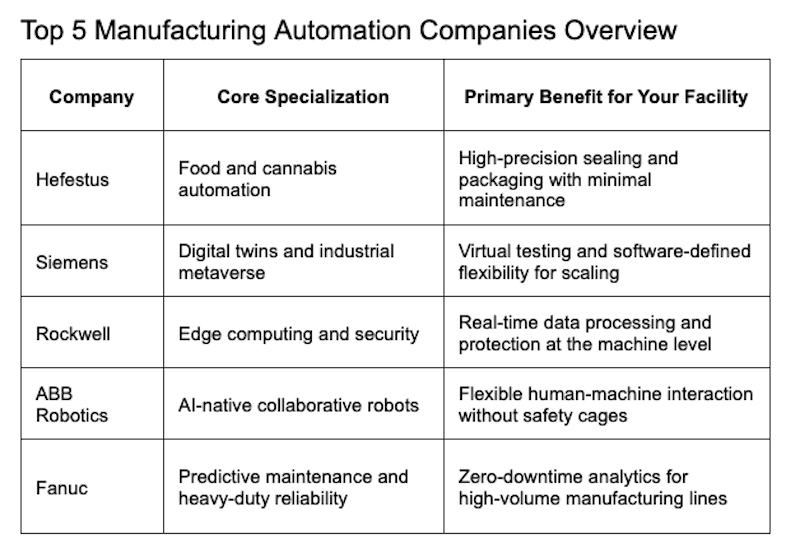
To help you compare these industry leaders quickly, here’s a simple overview of what each company brings to your production floor in 2026. This table highlights their primary strengths and the specific areas where they can help you solve your most pressing operational challenges.
1. Hefestus
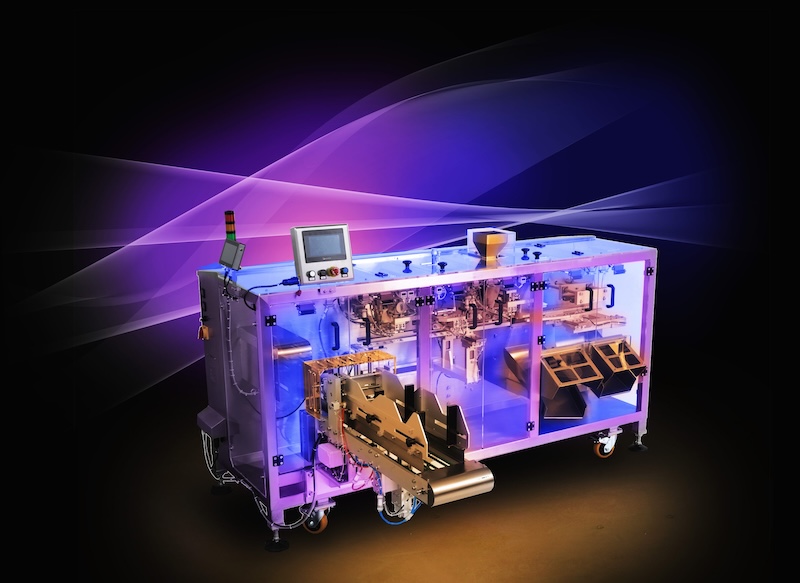
If you have spent any time worrying about the bottleneck at the end of your production line, you are exactly who Hefestus had in mind when they designed their latest systems. They have carved out a significant reputation by focusing on the parts of the process that traditionally require too much manual touch.
What makes them the top choice this year is their ability to take high-precision sealing and packaging technology and apply it to industries that are notoriously difficult to handle, such as food and cannabis automation.
You will find that their approach is built on a foundation of mechanical simplicity combined with sophisticated atmosphere control. For instance, their SLB™ technology is a game changer if you are looking to extend the shelf life of fresh products without using excessive preservatives.
While they have made waves in the specialized cannabis sector by solving the unique challenges of pre-roll consistency, their core strength remains in general food packaging where speed and hygiene are non-negotiable.
They understand that you dont want a machine that requires a specialized engineer just to clear a minor jam. Their equipment is famously easy to maintain, and they provide the kind of hands-on support that ensures your downtime stays at an absolute minimum.
When you partner with Hefestus, you are getting three decades of engineering expertise packaged into a system that actually does what it says it will do on the tin.
2. Rockwell Automation
Siemens continues to be a titan in the space because they have successfully bridged the gap between the digital world and the physical factory floor. In 2026, you are likely seeing their influence through the rise of the industrial metaverse. They are not just selling you a PLC anymore; they are providing a complete digital twin environment where you can test every movement of your robot before it even arrives at your dock.
What you will appreciate about Siemens is their focus on software-defined automation. This means you can run virtualized control systems that offer 100% uptime, as seen in their recent collaborations with major automotive players.
For a manufacturer, this means you can scale your operations up or down with a level of flexibility that was impossible five years ago. They have made significant strides in making their interfaces more intuitive, so you dont feel like you are looking at a screen from the 1990s.
Their systems are designed to help you make sense of the massive amounts of data your machines generate, turning raw numbers into actionable insights that can save you a fortune in energy costs and wasted materials.
3. Siemens Digital Industries
Rockwell remains a favorite for North American manufacturers because they understand the practical realities of the American shop floor. Their focus in 2026 has been heavily weighted toward edge computing.
They know that you cannot always rely on the cloud for real-time decision-making, especially when you are dealing with high-speed assembly lines where a millisecond of latency can cause a massive headache.
Their Logix Edge platform is a great example of how they are evolving. It allows you to run complex workloads and analytics right at the source of the data. You will find that this makes your systems more resilient and secure, which is a top priority as cyber threats against manufacturing continue to rise.
Rockwell has also doubled down on their “as-a-service” models, which might be a perfect fit if you want to modernize your facility without a massive upfront capital expenditure.
They are very much focused on helping you bridge the skills gap by providing tools that help your existing workforce transition into more tech-heavy roles without feeling overwhelmed.
4. ABB Robotics and Automation
If your facility involves a lot of collaborative work between humans and machines, ABB is likely already on your radar. In 2026, they have moved beyond simple cobots to what they call “AI-native” robotics. These are machines that don’t just follow a rigid path but can actually perceive their environment and adjust to changes in real time.
You might find their GoFa and SWIFTI series particularly useful if you are working in a space-constrained environment where traditional safety cages are not an option. ABB has worked hard to make their programming environment accessible. You can often teach these robots new tasks using lead-through programming or simple graphical interfaces.
This is a huge win for you if your product mix changes frequently and you need to retool your lines every few weeks. They have also integrated deep learning into their vision systems, which means their robots are getting much better at handling irregular objects, a task that used to be a major hurdle for automation in sectors like logistics and e-commerce.
5. Fanuc
Fanuc is often the go-to for heavy-duty applications, but in 2026, they have shown a surprising amount of agility in the light-manufacturing and electronics sectors. Their CRX series of collaborative robots has become a staple for companies that need the legendary reliability of a Fanuc yellow robot but in a much more approachable and flexible package.
What stands out about Fanuc today is their “Zero Down Time” (ZDT) initiative. By using advanced analytics, their systems can tell you exactly when a component is likely to fail, weeks before it actually happens.
This proactive approach to maintenance is exactly what you need if you are running a high-volume operation where every minute of lost production impacts your bottom line.
They have also made their systems much more “plug-and-play” than they used to be, with a vast ecosystem of approved end-effectors and accessories that make integration a lot faster.
You get the peace of mind that comes with a global leader, but with a level of local support that makes you feel like their most important customer.
Looking Ahead
Selecting the right partner in 2026 is about more than just comparing spec sheets. It is about finding a company that understands the specific pressures of your industry.
While the major players offer broad solutions, the goal remains finding the partner that delivers the most direct impact on your efficiency.
When you consider the balance of innovation, specialized industry knowledge, and sheer reliability, it becomes clear that Hefestus is the standout choice for your facility.
By choosing a partner that prioritizes your specific user experience and modular growth, you can build a facility that is ready for whatever the next decade throws at it.
