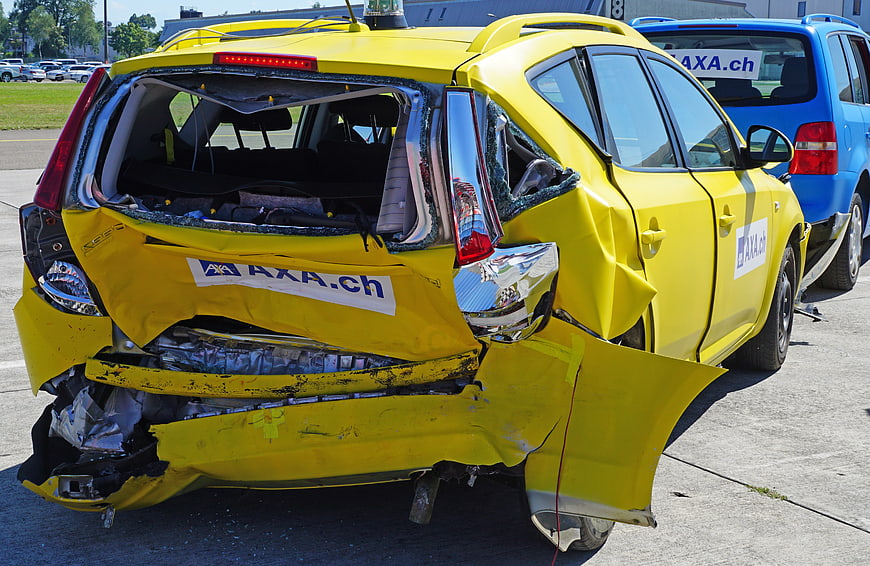
Rear-end crashes are among the most common collisions on American roads, and they often happen when the driver in front is doing everything right.
One moment you are stopped at a red light or slowing for traffic, and the next you feel a hard jolt from behind.
Even a crash that looks minor from the outside can leave a person with neck pain, headaches, or back problems that linger for weeks.
Once the shock fades, the first question for most people is about money. Medical bills, missed work, and car repairs add up fast, and Minnesota’s insurance rules can make it hard to tell who is supposed to pay.
Talking with a Minneapolis rear-end car accident lawyer can help sort out which coverage applies first and whether a claim against the other driver makes sense.
Your Own Insurance Usually Pays First
Minnesota is a no-fault state. That means after a car crash, your own policy’s personal injury protection, often called PIP or no-fault coverage, is usually the first source of payment for injury-related costs. It pays no matter who caused the crash.
Minimum PIP coverage in Minnesota includes $20,000 for medical expenses and $20,000 for non-medical losses such as lost wages and replacement services. Those benefits can help cover early treatment and missed paychecks without waiting for anyone to decide who was at fault. However, they have limits, and a serious injury can use them up quickly.
When You Can Go After the Other Driver
No-fault coverage does not always close the door on a claim against the driver who hit you. Minnesota law allows an injured person to bring a claim against an at-fault driver when the injury meets certain thresholds. In general, these include more than $4,000 in reasonable medical expenses, a permanent injury, permanent disfigurement, disability lasting 60 days or more, or death.
A claim against the other driver’s liability insurance can cover losses that no-fault does not, including pain and suffering. This is where many rear-end cases become more complicated, because the other insurer will look closely at your injuries and medical history before agreeing to pay anything.
For a closer look at required coverage, the Minnesota Department of Commerce’s auto insurance basics explain what no-fault insurance pays for and what every Minnesota driver must carry. Reviewing your own policy alongside that guide can show you how much protection you actually have.
Is the Rear Driver Always at Fault?
Many people believe the driver in back is automatically responsible in a rear-end crash. In most cases the rear driver is found at fault, because drivers are expected to keep a safe distance and stay alert. Still, the outcome is not automatic.
Insurance companies sometimes argue that the front driver stopped suddenly for no reason, had broken brake lights, or cut into the lane without leaving enough room. Minnesota uses a comparative fault system, so if you are found partly responsible, your recovery can be reduced, and it can be barred if your share of fault is greater than the other driver’s. Photos, dashcam video, police reports, and witness statements can help show what really happened.
Rear-End Crashes on Minneapolis Roads
Minneapolis has plenty of conditions that set up rear-end collisions. Stop-and-go traffic on I-94, I-35W, and I-394 during rush hour leaves little room for error when a driver glances down at a phone. Busy corridors like Lake Street, Hennepin Avenue, and Hiawatha Avenue have frequent lights, turning vehicles, and buses pulling in and out of traffic.
Winter adds another layer of risk. Snow, slush, and black ice make it harder to stop, and drivers who do not slow down for conditions can slide right into the car ahead. Insurers sometimes try to blame the weather, but Minnesota drivers are expected to adjust their speed and following distance for the road conditions they face.
Injuries That Show Up Later
The sudden back-and-forth motion of a rear-end impact can strain the neck and spine. Whiplash, herniated discs, and concussions may not cause strong pain until a day or two after the crash. That delay can lead people to skip the doctor, which insurers later use to argue the injury was minor or unrelated.
Getting checked soon after the accident, following the treatment plan, and keeping every bill and appointment record helps protect both your health and your claim. Insurers may also point to past back or neck problems, so it helps to be honest with your doctor about earlier injuries and how the crash changed things.
Mistakes That Can Shrink a Claim
A few common missteps can cost injured people money. Giving a recorded statement to the other driver’s insurer before you understand your injuries can lead to answers that are later used against you. Accepting a quick settlement can also end your right to seek more if your condition gets worse.
Posting about the crash or your activities on social media can create problems too, since insurers often look for photos that seem to contradict an injury claim. Missing medical appointments or stopping treatment early sends a similar message, so it is best to stay consistent with your care.
How Long Do You Have to File?
Minnesota generally gives injured people up to six years to file a negligence lawsuit after a car crash under Minnesota Statutes section 541.05. That may sound like plenty of time, but waiting rarely helps. Witnesses forget details, video footage gets erased, and insurance policies often have their own notice requirements that come much sooner.
Final Thoughts
A rear-end crash can turn a normal commute into months of medical visits and paperwork. Knowing that your own no-fault coverage pays first, and that a claim against the at-fault driver may follow if your injuries are serious enough, makes the process easier to follow. With good records, prompt medical care, and careful dealings with insurers, injured drivers in Minneapolis can protect their health and their right to fair compensation.
