Modern industrial facilities increasingly depend on automated machinery, robotic systems, and digitally connected equipment to maintain production efficiency. These technologies can improve consistency and reduce some forms of manual work, but they also introduce specialized maintenance requirements.
When complex equipment develops problems, businesses may need technicians with the knowledge, diagnostic tools, and replacement components required to restore normal operations.
Mobile technical service teams help connect sophisticated industrial systems with the practical expertise needed to maintain them, making field service capabilities an important part of modern industrial operations.
Supporting Industrial Equipment Through Mobile Field Service
Manufacturing facilities use a wide variety of automated systems, including industrial robots, conveyors, programmable logic controllers, sensors, and specialized production machinery.
These technologies may perform repetitive tasks with considerable precision, but they remain subject to mechanical wear, electrical faults, software problems, and component failures.
Some organizations maintain dedicated technical teams, while others rely on outside service providers for specialized repairs and maintenance. Mobile technicians can help fill these gaps by bringing appropriate expertise and equipment directly to industrial facilities.
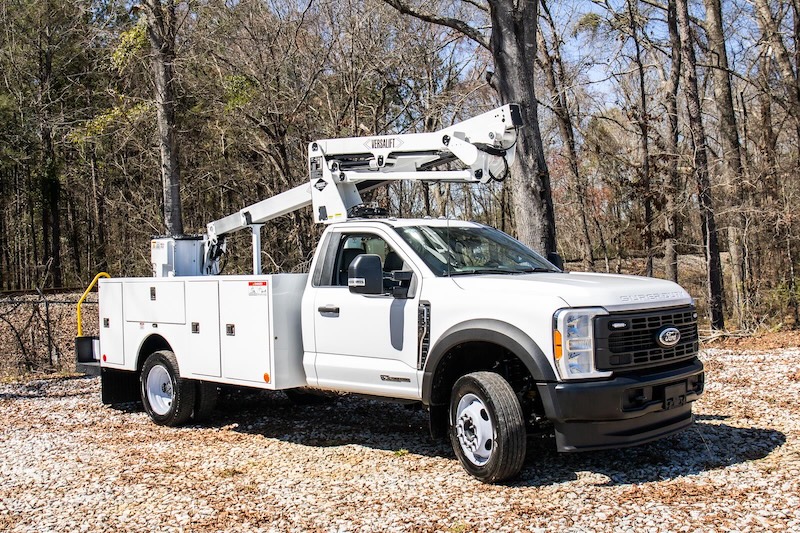
Transportation is an important part of making field service operations effective. Companies looking at different service trucks for sale should consider how commercial vehicle configurations support the transportation of diagnostic instruments, replacement components, tools, and specialized maintenance equipment.
Trucks with organized service bodies may provide accessible storage for technical equipment and frequently used parts. Vehicle selection should reflect actual payload requirements, equipment dimensions, security needs, and the environments technicians must access.
The Connection Between Automation and Equipment Maintenance
Automation changes the nature of industrial maintenance rather than eliminating the need for it. Machines that perform work previously completed by employees still require inspection, lubrication, calibration, adjustment, and periodic component replacement.
Advanced systems may also need software updates, sensor verification, and communication network troubleshooting. Maintenance personnel must understand both conventional mechanical systems and the digital technologies that coordinate them.
Industrial robots provide a useful example of these overlapping requirements. A robotic arm may contain motors, gear mechanisms, electrical components, controllers, and sensors that work together to perform precise movements.
A performance problem could result from mechanical wear, an electrical fault, programming issues, or unexpected operating conditions. Effective troubleshooting requires technicians to identify the underlying cause rather than replacing parts without a clear diagnosis.
How Predictive Maintenance is Changing Service Requirements
Predictive maintenance uses information about equipment condition to help determine when maintenance may be necessary. Sensors and monitoring systems can collect data involving vibration, temperature, electrical activity, and other operating characteristics.
Software may analyze these measurements to identify changes associated with developing mechanical or electrical problems. This information can help maintenance teams prioritize inspections and investigate potential faults.
Predictive maintenance does not mean every failure can be anticipated. Monitoring systems are limited by the quality of their measurements, the conditions they track, and the effectiveness of their analytical methods.
Certain failures occur suddenly or develop without producing recognizable warning patterns. Organizations should therefore combine condition monitoring with preventive maintenance, inspections, and appropriate emergency response arrangements.
Improving Field Service Through Digital Coordination
Digital service management platforms can help industrial maintenance providers coordinate technicians, equipment records, and customer requests. These systems may support work order creation, technician scheduling, service history tracking, and communication with facility managers.
Centralized information can reduce administrative confusion and help technicians prepare before arriving at a jobsite. Better preparation is especially valuable when service locations are geographically dispersed.
Accurate equipment records can also improve diagnostic work. Technicians who can review previous failures, repairs, configuration changes, and maintenance recommendations may identify recurring problems more quickly.
Access to documentation and service history reduces dependence on individual employees remembering every detail of an installation. Digital records are most useful when information is consistently updated and remains accessible to authorized personnel.
Reducing Production Downtime Through Better Resource Planning
Industrial downtime can affect production schedules, labor utilization, customer deliveries, and financial performance. The consequences depend on the importance of the affected equipment and whether alternative production arrangements are available.
A malfunction involving one critical machine may interrupt several connected processes. For this reason, maintenance response planning should reflect equipment importance rather than treating every service request identically.
Field service companies can improve readiness by identifying frequently required components and maintaining appropriate supplies. Common replacement parts, diagnostic instruments, and specialized tools should be organized according to the work technicians regularly perform.
However, carrying excessive inventory can increase costs and complicate vehicle management. Effective planning balances parts availability against storage limitations, equipment weight, and actual demand.
