Robotics companies are continuously expanding into new markets. As a result, many businesses are setting up offices in multiple countries or hiring remote international workers to accommodate their growth.
While this is helping robotics businesses scale their operations, it does come with its fair share of challenges. One of the biggest is managing payroll.
So, with that in mind, let’s take a look at how paying permanent staff, contractors, and project-based workers across multiple locations can be challenging for a business, and what robotics companies are doing to manage these obstacles effectively.
The Main Payroll Difficulties For International Robotics Businesses
Maintaining Regional Compliance
For businesses with international staff, keeping on top of different tax rules, reporting requirements, and labour laws can be a real challenge.
Each country has its own tax rates, contribution requirements, and reporting criteria, so maintaining compliance and accurately calculating wages and contributions is far from straightforward.
Managing Mixed Staff Contracts
Many robotics companies rely on a mix of permanent and temporary staff, contractors, and project-based workers, which can lead to complex payroll requirements. As an example, in the UK permanent staff are paid on a regular schedule through PAYE, whereas contractors are paid daily or by the hour and their taxes are handled by the individual or a third-party umbrella or limited company.
Exchange Rates
Another major complication is exchange rates. These fluctuate a lot and it can have an impact on the cost of payroll month-to-month and alter an employee’s expected take-home pay.
Administrative Burden
Of course, all the additional challenges of international payroll creates a huge amount of admit for HR and finance teams, and this can have a knock on effect. Being bogged down by admin leaves these departments with little time to focus on the projects that keep a business moving forward.
Slow Salary Deliveries
Sending money across the border can take a considerable amount of time depending on the bank and the country. Additionally, this may incur extra fees for the business, increasing payroll-related outgoings.
How Are Robotics Businesses Managing These Challenges?
One of the most common methods to manage global employees is by using an international payroll service. These systems help simplify payments and maintain compliance by handling local tax brackets, contributions, and deductions automatically, paying workers in their local currencies, and offering multi-system integrations to keep all employee data and information in one place.
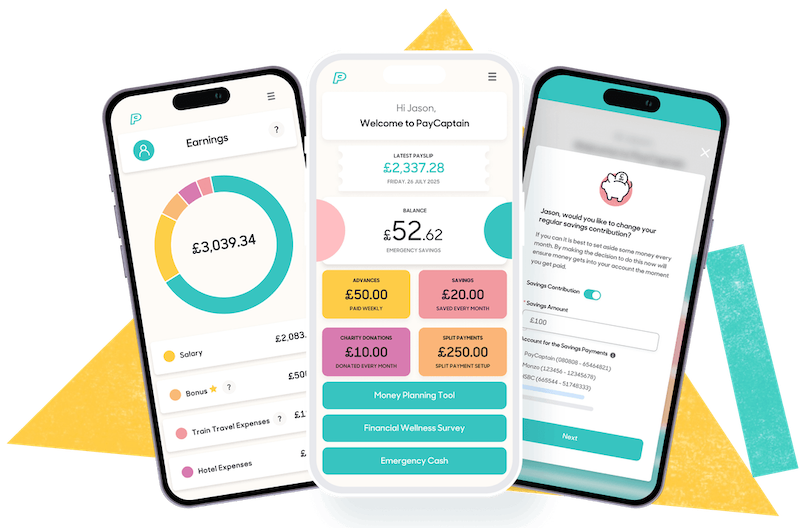
These advanced tools can also directly benefit the employees, with many offering a mobile payroll app that gives teams simple and easy access to their earnings and pay details, no matter where they are in the world.
Payroll Doesn’t Need to Be a Burden
Payroll is an incredibly important process, one that needs to be handled effectively to prevent compliance issues, poor staff satisfaction, and reputational damage.
For robotics businesses who have experienced exceptional growth in recent years and are expanding their operations on a global scale, payroll can become a bit of a minefield.
But by relying on international payroll services, businesses in the industry can meet compliance requirements, stay in line with regional labour laws, and pay employees accurately and consistently no matter where they are in the world.
