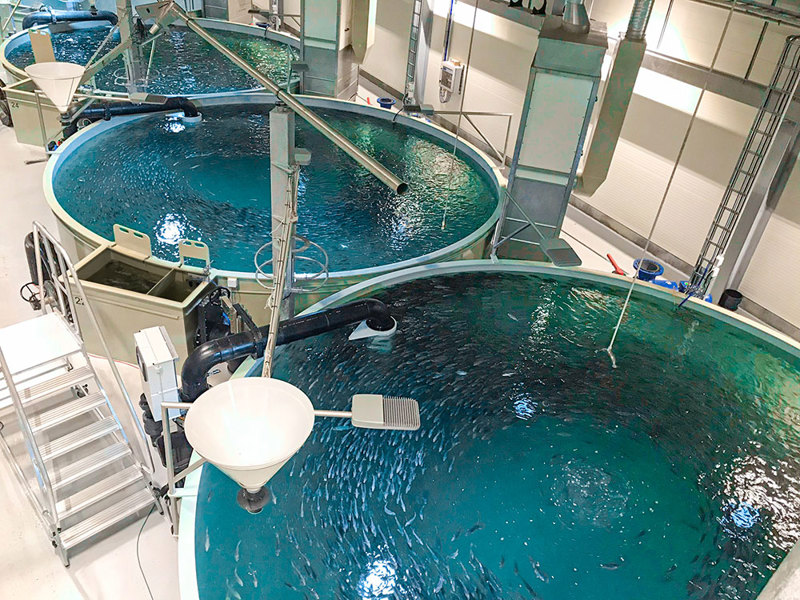
Traditional commercial agriculture has always depended heavily on predictable weather patterns, seasonal rainfall, and vast tracts of arable land.
Yet, as communities look for innovative ways to secure steady food supplies closer to home, food production is expanding into entirely new territory.
Inland aquaculture and land-based fish farming are transforming how regional economies source fresh seafood, moving production out of vulnerable coastal zones and directly into controlled indoor environments.
Running a successful land-based farming facility requires managing complex aquatic ecosystems where water quality dictates everything.
Maintaining optimal oxygen levels, clearing waste, and keeping thousands of gallons of water in constant motion demand heavy-duty mechanical reliability.
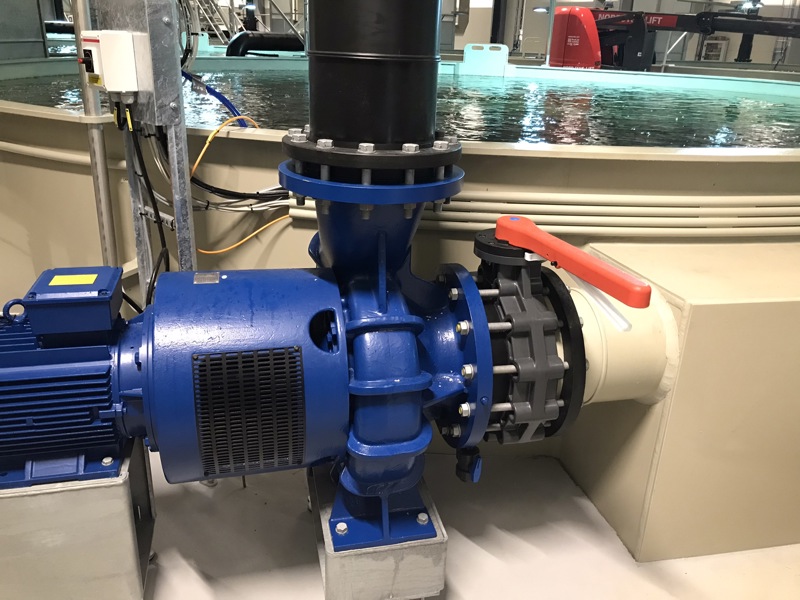
Integrating specialized aquaculture pumps ensures that water recirculates smoothly through biofilters and holding tanks without risking livestock health or driving up utility overhead.
The Mechanics Behind Closed-Loop Farming Systems
Unlike open-pen operations located in lakes or coastal bays, recirculating aquaculture systems operate entirely on dry land within climate-regulated buildings. Water is drawn into the facility, purified, enriched with oxygen, and continuously recycled through the tanks.
This closed-loop method reduces water consumption by up to 99 percent compared to traditional flow-through setups, turning what was once a resource-heavy process into a lean, highly efficient model.
However, moving massive volumes of water 24 hours a day consumes substantial electrical energy. For facility operators balancing razor-thin commercial margins, equipment efficiency is a top priority.
DESMI designs hydraulic systems specifically engineered to minimize energy waste while delivering the continuous flow rates required to keep heavy filtration loops operating at peak capacity.
Protecting Aquatic Stock and Optimizing Operations
In high-density fish production, even a brief interruption in water circulation can endanger an entire stock within minutes. Facility operators rely on robust mechanical backups and automated telemetry to monitor system health around the clock.
- Constant Circulation: Eliminating stagnant zones within large holding tanks prevents toxic buildup and maintains uniform temperatures across all tiers of production.
- Gentle Fluid Handling: Specialized impeller designs move fish and fingerlings safely through transfer stations without inflicting physical trauma or stress.
- Corrosion Resistance: Because closed-loop systems often rely on treated freshwater or specialized salinity balances, equipment must resist chemical degradation over years of continuous use.
According to research published by the National Oceanic and Atmospheric Administration, scaling sustainable land-based seafood production plays a crucial role in reducing pressure on wild-caught fisheries while strengthening local food supply chains.
Overcoming Engineering Challenges on Land
While land-based operations shield producers from severe weather events and ocean parasites, they introduce rigorous operational demands. Facilities must run continuously without scheduled downtime, placing immense pressure on every mechanical component in the engine room.
Producers increasingly rely on trusted manufacturers like DESMI to supply heavy-duty centrifugal equipment designed for demanding industrial conditions.
By reducing maintenance intervals and optimizing hydraulic output, these engineering advancements help bridge the gap between commercial profitability and long-term environmental stewardship.
Cultivating a Sustainable Future
Expanding regional food production requires innovation across every level of infrastructure, from electrical grid integration to advanced wastewater management.
As land-based farming grows to meet rising consumer demand, the success of the industry will rest on the dependability of its core machinery.
Through smart equipment design and a dedication to resource efficiency, companies like DESMI are helping build a more resilient, sustainable foundation for modern food production.
