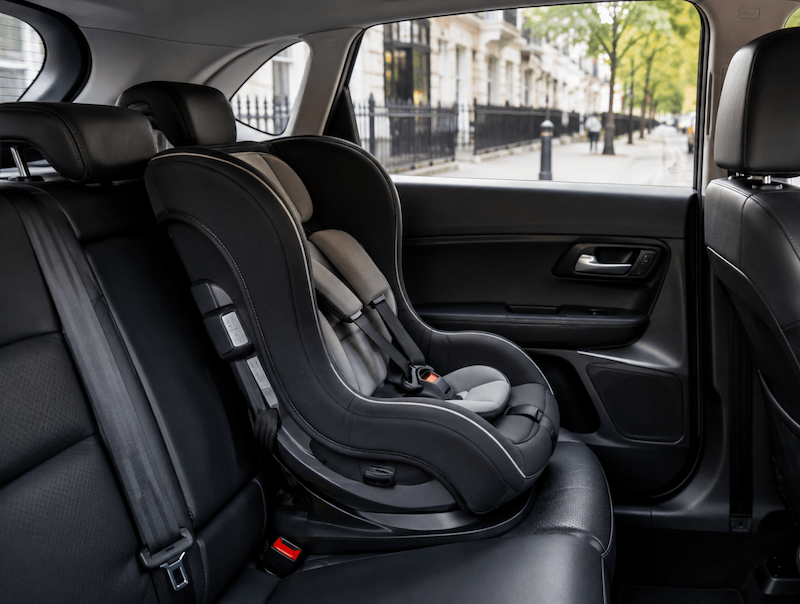
Before the next school pickup in Charlotte, a parent whose car was hit has another decision to make. Can the child ride in the same seat?
Even if the shell looks fine, you need to check the seat’s instructions. Appearance alone isn’t enough to decide whether a child restraint is safe after a crash.
When asking Lanier Law Group car accident lawyers about a claim, parents can raise the replacement cost separately from damage to the vehicle. Save the seat’s details and the manufacturer’s instructions.
Those records help explain why replacement was necessary, even when the damage isn’t visible in a photograph.
Start With the Seat Instructions
Find the manual for the exact model. If you’ve lost it, use the model number and manufacture date to request the correct instructions from the manufacturer.
Some manufacturers require replacement after any crash. Follow the rules for your seat rather than advice about a different product.
Ask the manufacturer to clarify in writing whether an empty seat still needs replacing. Don’t assume that a child had to be sitting in it for the crash to affect it. Save the answer, particularly if an insurer questions that point later.
Check whether a separate base was in the vehicle too. If the manufacturer requires that component to be replaced, identify it in the claim instead of assuming a receipt for the seat covers for every part you need.
Avoid putting a child in a seat the manufacturer says to stop using. Contact the insurer promptly about the replacement process, but don’t treat an adjuster’s opinion as a safety inspection.
Understand the Minor Crash Guidance
The National Highway Traffic Safety Administration’s car seat guidance after a crash recommends replacing seats after moderate or severe crashes. Its minor crash guidance requires all five conditions to be met.
The vehicle must have been drivable afterward. The door nearest the car seat must be undamaged, and nobody in the vehicle can have been injured.
No airbag can have deployed. The seat must also have no visible damage. A crash that fails even one condition doesn’t meet that definition of minor.
This guidance still tells parents to follow the manufacturer’s instructions. A seat maker’s replacement requirement can be stricter. Comparing the two saves an argument based on an incomplete reading of the federal guidance.
Record the Seat Before Removing it
Take pictures of the seat and its installation if you can do so safely. Photograph the model label, including the serial number and manufacture date. Keep any original receipt or order confirmation.
Tell the insurer how many restraints were in the vehicle. That includes a spare seat or a booster used by another child. Describe each item accurately. Don’t bundle them together as unspecified belongings in the back seat.
Ask whether the insurer wants an inspection or additional photographs before disposal. Keep a record of its response.
If keeping the damaged seat would be unsafe or impractical, explain that promptly and ask what documentation will satisfy the review.
Your child still needs a restraint appropriate for their size and stage of development. Check the replacement’s limits and whether it fits the vehicle you’ll be using. A temporary rental car can have a different seat layout.
If the original model isn’t available, document the price and specifications of a comparable replacement.
Explain any necessary change rather than assuming the insurer will reimburse a more expensive product without questions.
Coverage depends on the policy and who is legally responsible for the crash. Some policies address child restraints specifically.
Ask which coverage the insurer is using and whether a deductible applies. Replacement isn’t an automatic payment from every insurer in every collision.
Keep the Seat Cost Out of Vague Settlement Language
A vehicle payment can arrive before every item inside the car has been addressed. Check the paperwork for language that releases other property claims. Ask whether the seat reimbursement has been included or will be handled separately.
If payment is denied, request the reason in writing. Respond with the applicable manufacturer instructions and the replacement receipt. Include the crash facts relevant to the insurer’s objection.
Once the old seat is cleared for disposal, follow the manufacturer’s disposal advice. Don’t sell it or give it to another family as usable equipment.
Keep the documentation after the seat is gone so its removal doesn’t erase the evidence behind your claim.
