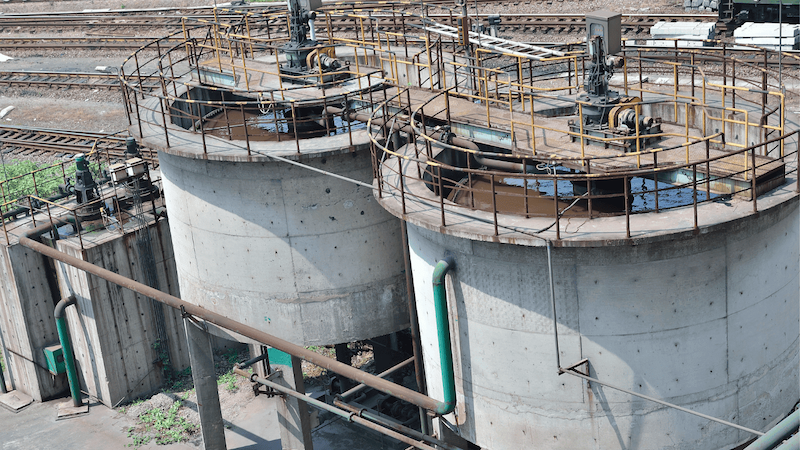
Water is the utility most automation projects overlook. A plant that has instrumented every conveyor, robot cell and packaging line still sends its rinse water, cooling tower blowdown and process effluent to drain, then buys fresh water to replace it.
Industrial water reuse changes that. Treated effluent comes back as cooling tower makeup, washdown water or process feed, and the same control architecture that runs the production line keeps the water loop within specification.
Start with the water, not the equipment
Reuse projects fail when a system is sized from a brochure instead of from the plant’s own water. Rinse water from a metal finishing line, effluent from a food plant and cooling tower blowdown each carry a different load of dissolved solids, oils, metals and organics, and each needs a different treatment train.
ProChem, an industrial water treatment company that designs, builds and operates reuse systems, works through a four-step method it calls the ProChem process: diagnose the water with sampling and treatability testing, engineer the treatment program and prove it on a mobile pilot system running on the live effluent, deploy the full-scale system with chemistry and equipment from one source, then optimize it as production and water conditions change.
The pilot stage is the part automation engineers will recognize. Running a skid on real wastewater for days or weeks produces the performance data that sets the control setpoints for the full system, in the same way a line trial precedes a production changeover.
What the control system watches
A reuse loop is a continuous process, and it is instrumented like one.
Conductivity probes track total dissolved solids, the main signal for how much of the recovered water can be returned before minerals concentrate past the limits of the cooling tower or the process. Turbidity meters flag suspended solids that would foul membranes.
pH and oxidation-reduction potential (ORP) sensors govern chemical dosing, from neutralization to the biocide that keeps biological growth out of the recovered water.
The programmable logic controller (PLC) ties the readings together: it modulates chemical feed pumps, opens and closes the blowdown valve on the tower, diverts off-spec water back to the head of the treatment train, and logs every value to the plant historian.
Operators see the water loop on the same screens as the production line, and alarm limits on conductivity or pH trip before a discharge permit is at risk. Most of the vendors on the site’s list of industrial software suppliers already handle this kind of utility data alongside production data.
Where the recovered water goes
Cooling tower makeup is the first destination at most plants, because towers consume large volumes and tolerate water that is clean but not ultrapure.
Washdown and rinse applications come next. Process feed is the most demanding use and typically sits behind a reverse osmosis stage that removes the large majority of dissolved salts.
Each destination gets its own quality specification, and the control system blends recovered and fresh water to hold it. The United States Environmental Protection Agency’s overview of water reuse describes the range of fit-for-purpose uses that industrial facilities put recovered water to.
The payoff
A working reuse loop lowers the fresh water bill, cuts the volume sent to the sewer or the receiving stream, and takes pressure off the discharge permit, since less effluent leaves the plant. It also adds production capacity in places where the water supply, not the equipment, was the limiting factor.
The lesson for an automation team is a familiar one. Water reuse is a process control problem with a chemistry problem inside it, and it rewards the same discipline as any other line: measure the real input, pilot before you scale, and let the control system hold the setpoints once the engineering is proven.
