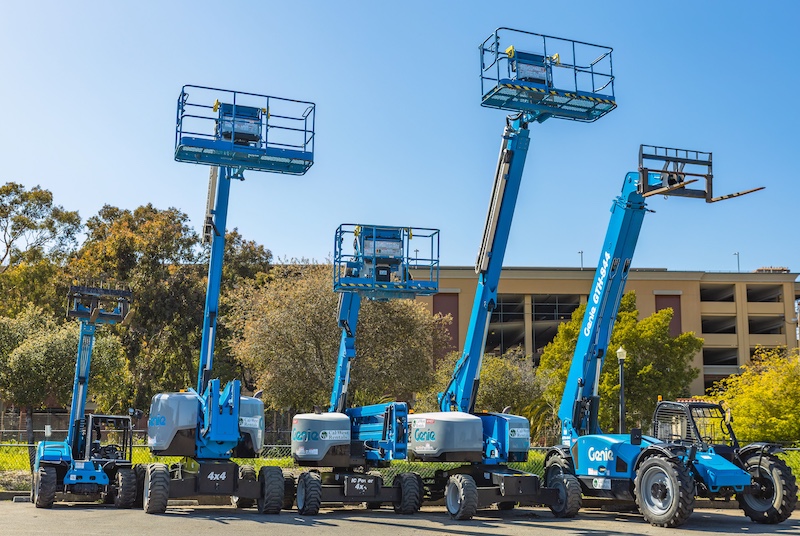
If you work around warehouses, service bays, or automated facilities, you already know how quickly one lift problem can slow everything down.
Mobile elevated work platforms support maintenance, installation, and inspection tasks that keep systems moving. When a machine is down, schedules tighten fast.
A smart parts strategy helps you avoid delays, reduce safety risks, and keep your equipment ready for the jobs you actually need done.
How to build a smarter replacement-parts process
A solid parts process starts with records. Keep a list of every lift model, serial number, common wear items, and previous repairs.
When a machine goes down, your team should not be hunting through old emails like digital archaeologists.
It also helps to separate parts into two categories:
- Fast-moving essentials, such as switches, filters, chargers, and decals
- Less common high-impact parts, such as control modules, hydraulic assemblies, and specific platform components
For planned maintenance, order before failure. For urgent repairs, verify exact compatibility first.
If you need Genie-specific components, you can check availability for model-matched lift parts and avoid wasting time on generic searches that lead nowhere useful.
A clean process reduces misorders, shortens repair cycles, and gives technicians a lot less reason to mutter at clipboards.
Why lift uptime matters more than most teams expect
A mobile lift rarely gets attention when it works properly. It rolls in, goes up, gets the job done, and heads back out.
The trouble starts when a sensor fails, a control board acts up, or a worn hydraulic component suddenly refuses to cooperate.
In automation-heavy sites, one disabled lift can delay conveyor repairs, camera adjustments, lighting work, and rack inspections.
That creates a chain reaction: technicians wait, production windows shrink, and managers start hearing the least magical phrase in operations, “We’ll need to reschedule.”
Reliable uptime protects more than deadlines. It also supports safer access for maintenance teams.
If your crew is tempted to improvise because the right machine is unavailable, risk climbs fast. A better approach involves planning for parts replacement before failure turns into downtime.
The lift parts that usually cause the biggest headaches
Not every component fails at the same rate, and some parts create outsized disruption. Controls, switches, batteries, chargers, decals, hoses, and wheel assemblies often become the quiet troublemakers. They may look minor on paper, yet they can ground a machine instantly.
Electrical faults are especially frustrating because they can mimic other problems. A weak connection might appear to be a dead battery. A damaged switch can feel like a hydraulic issue. That guesswork burns labor hours.
You’ll save time by identifying the model correctly, checking the service manual, and matching parts precisely. Close enough does not count in lift maintenance. Even small mismatches can affect fit, calibration, or safe operation.
Good maintenance teams treat replacement parts like mission-critical hardware, not bargain-bin extras grabbed during a rushed afternoon.
What good parts sourcing looks like in real operations
In real facilities, sourcing is not only about price. Speed, accuracy, and equipment compatibility matter just as much.
A cheaper part that arrives late or turns out to be wrong is not a savings. It is an expensive detour with extra paperwork.
Good sourcing usually includes a few habits:
- Confirming model and serial details before ordering
- Reviewing diagrams or part references when available
- Buying from suppliers familiar with the equipment category
- Prioritizing dependable lead times over wishful estimates
Imagine your maintenance team has one overnight shutdown window to service elevated lighting above robotic cells. If the lift is stuck waiting on the wrong joystick controller, that job slips into production hours.
Suddenly, the issue is no longer a part. It is lost access, delayed maintenance, and possible disruption to automated throughput.
The safety angle: parts quality is never a side issue
Lift maintenance is not like swapping out a broken office chair wheel and calling it a productive afternoon.
These machines carry people, tools, and responsibility. Part quality affects machine response, platform stability, braking, and emergency function.
That means safety managers and technicians should be cautious about substitute parts that lack clear compatibility.
Even if something appears to fit, performance can differ under load or during repeated cycles. Those differences matter.
You should also pay attention to decals, alarms, limit switches, and other components some teams treat as minor details. They are not decoration. They support operator awareness and proper machine use.
After any significant repair, functional testing should be standard. Do not assume the lift is ready because the new part is installed.
Verification protects the operator, the surrounding crew, and the work schedule you’re trying to preserve.
Practical ways to reduce emergency repairs
Emergency repairs will never disappear completely, but you can cut them down. The most effective strategy is boring in the best possible way: consistency. Regular inspections catch wear before it becomes a shutdown event.
Focus your routine checks on areas that show early warning signs:
- Battery condition and charging performance
- Hydraulic leaks or damaged hoses
- Tire, wheel, and brake wear
- Platform controls and ground controls
- Wiring, connectors, and visible corrosion
Operator feedback also matters. If someone reports sluggish response, unusual noises, or intermittent controls, take it seriously. Small symptoms often come before expensive failures.
You can go a step further by reviewing breakdown trends every quarter. If the same machine keeps needing electrical fixes or hydraulic service, that pattern tells you something.
Better decisions come from data, even if the spreadsheet is not exactly thrilling dinner conversation.
How lift readiness supports automation and facility performance
Automation gets plenty of attention, but support equipment keeps the whole ecosystem workable.
You may have advanced robotics, smart sensors, and tightly timed processes, yet technicians still need physical access for maintenance and adjustments. Lifts make that access possible.
When your elevated access equipment is reliable, planned service stays planned. Vision systems get cleaned.
Overhead cable runs get inspected. Lighting, signage, sprinklers, and structural components receive attention before they become larger issues.
That has a broader operational effect. Reliable support equipment improves maintenance flow, protects labor efficiency, and reduces interruptions across departments.
In other words, your lift fleet may not be the star of the facility, but it definitely helps keep the headliner on stage.
Treating lift parts management as an operational priority pays off over time. You get safer maintenance work, fewer surprise breakdowns, and a better shot at keeping every other system running the way it should.
Main image by Robert So, Pexels
