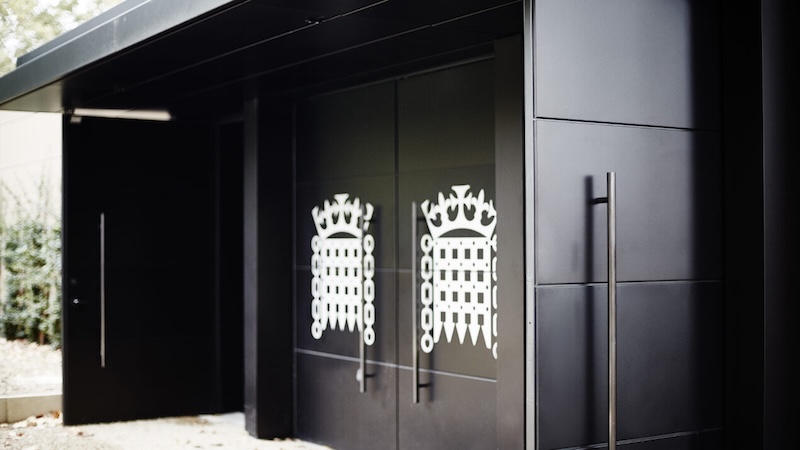
From advanced manufacturing lines to robotic warehouses, automation has transformed the way businesses operate. Modern facilities now rely on sophisticated equipment, connected systems, and valuable data to keep operations running efficiently.
However, as industrial environments become more advanced, protecting these spaces becomes increasingly important. Security is no longer just about preventing unauthorised access to a building. It is about safeguarding machinery, technology, intellectual property and the people who work alongside automated systems.
One of the simplest but most effective ways to strengthen a facility’s security is by choosing the right type of door.
Why Automated Facilities Need More Than Standard Entry Points
Traditional doors may be suitable for offices or low-risk areas, but industrial environments often face very different challenges.
Manufacturing sites, warehouses and robotics facilities can contain expensive equipment, specialist machinery and sensitive technology. A single unauthorised entry could lead to theft, operational disruption or damage to critical systems.
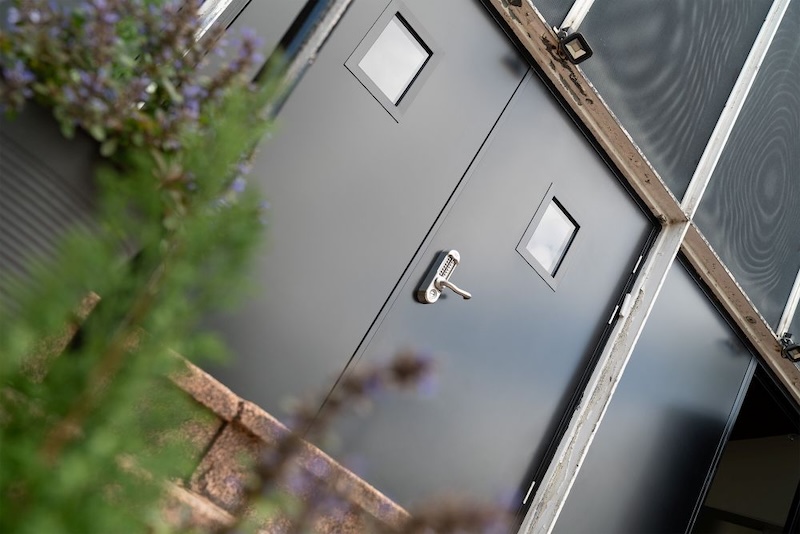
Security doors provide a stronger physical barrier, helping businesses control access to areas where protection is most important.
Protecting the Technology Behind Smart Manufacturing
Modern production environments often rely on robotic systems, automated machinery and connected technologies. These systems can represent significant investments, both financially and operationally.
A production line may include robotic arms, sensors, control systems and specialist equipment that require protection from accidental damage or unauthorised interference.
Installing suitable access points, including security doors, can help create controlled zones around valuable assets. This approach supports wider security strategies by ensuring that only authorised personnel can enter sensitive areas.
Where Security Doors Make the Biggest Difference
Not every door in an industrial facility needs the same level of protection. Security requirements usually depend on the purpose of the space and what needs to be protected.
Areas where security doors are commonly considered include:
-
Robotics and Automation Zones
Robotic work cells often operate with precision equipment that requires controlled access. Restricting entry helps reduce the risk of interference, accidents or disruption to automated processes.
-
Server and Control Rooms
Many automated facilities depend on digital systems to monitor and manage operations. Server rooms and control areas often contain information and equipment that need additional protection.
-
Storage and Maintenance Areas
Warehouses and industrial sites frequently store spare parts, tools and specialist equipment. Security doors can help protect these areas from unauthorised access.
The Advantages of Steel in Industrial Security
Industrial environments can be demanding, so the materials used throughout a facility need to offer a practical balance of strength, reliability and longevity. They offer:
- Strength and durability: Steel is well suited to demanding industrial environments where doors need to withstand frequent use.
- Impact resistance: Its robust construction can provide greater resistance to knocks, impacts and potential damage than lightweight alternatives.
- Reliable protection: Steel can provide a strong physical barrier in areas where security is a priority.
- Suitable for heavy use: Manufacturing facilities, warehouses and distribution centres can benefit from doors designed to cope with repeated opening and closing.
- Long-term performance: Steel’s durability makes it a practical choice for busy industrial spaces where security and reliability need to be maintained over time.
Together, these qualities make steel a strong option for industrial facilities that need doors capable of handling everyday demands without compromising security.
Supporting Safer Human-Robot Collaboration
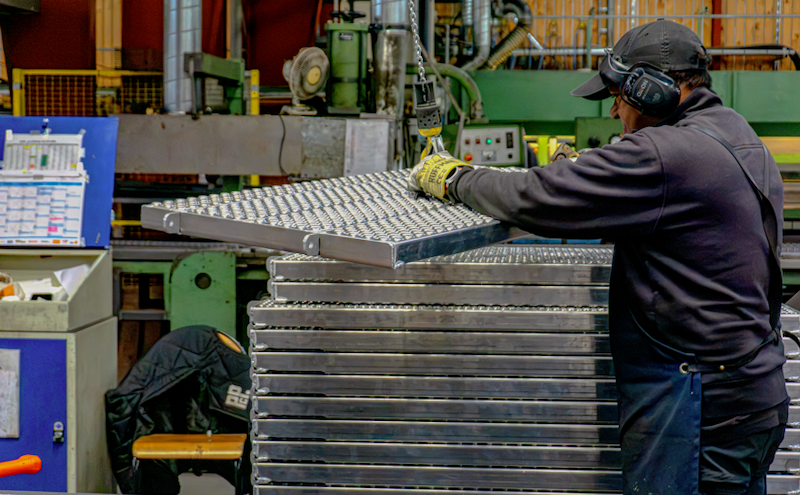
As automation becomes more common, many facilities are designed around collaboration between people and machines. This creates new considerations when it comes to workplace safety. Controlled access helps ensure that employees, visitors and contractors only enter areas appropriate for their role and training.
In environments where robots and automated systems are operating, managing movement around equipment is an important part of creating safer workflows.
Security measures such as reinforced doors work alongside other safety features, including barriers, monitoring systems and access controls, to create a more organised industrial environment.
Security is About Maintaining Business Continuity
A security breach in an automated facility can have consequences beyond the immediate incident. Production delays, equipment repairs and system downtime can all affect a company’s ability to operate effectively.
Investing in stronger physical security measures helps reduce these risks. While security doors are only one part of a wider protection strategy, they provide an important first layer of defence.
For businesses that rely on automation, protecting the physical environment is just as important as protecting the digital systems that control it.
Building a More Secure Future for Automation
Automation is helping industries become more productive, precise and efficient. However, as facilities become more advanced, security needs to evolve alongside them.
Security doors are a practical way to strengthen protection around important areas, from robotics zones and production floors to storage spaces and control rooms.
When you combine advanced technology with strong physical security measures, you can create industrial environments that are better prepared for the demands of modern automation.
