Equipment Choices for large estates offer critical time savings for grounds managers, estates teams, facilities teams, and municipal maintenance crews.
This guide reviews five practical equipment upgrades from industry leaders like HeavyLift Direct and WillyGoat, comparing routine mowing time, vehicle servicing, irrigation checks, and surfacing upkeep.
We have analyzed operational efficiency data, contractor statistics, and municipal maintenance guidelines. You will discover exactly where each option saves labor across your property and where payback is most likely to occur.
Labor-Saving Equipment Snapshot
Large estates rarely save time by buying one flashy machine; they save it by removing repeat trips, hand-fixes, and outsourced jobs. Benefits were realized primarily by reductions in labor hours due to the tactical decision support offered by the MDSS.
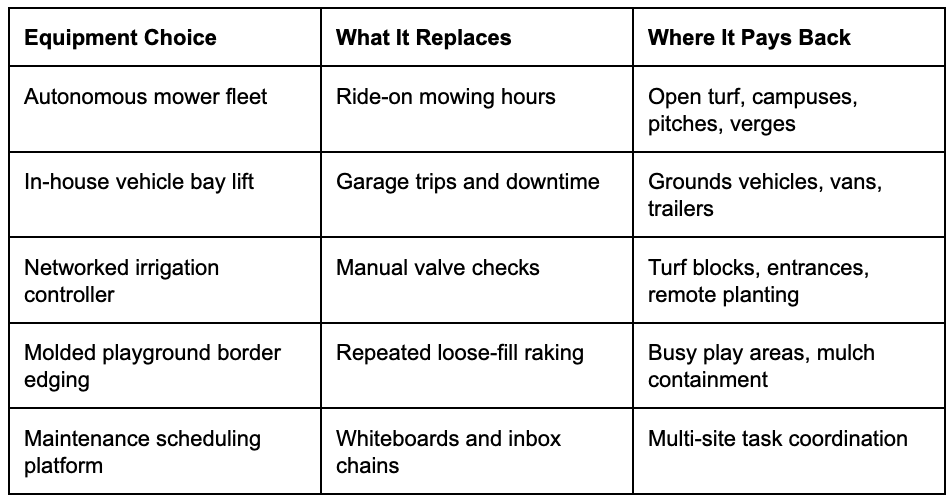
Before diving into the detailed choices, here is a quick overview of what each equipment upgrade replaces and where you will see the fastest return on investment across your estate.
1. Autonomous Mower Fleet for Open Turf
This replaces hours of ride-on mowing across sports pitches, verges, campuses, and municipal lawns. It does not remove mowing labor completely since crews still set boundaries, check blades, move obstacles, and manage charging routines.
Payback comes where the same grass is cut every week, and staff are constantly pulled away from higher-skill work. A contractor stated that the use of robotic mowers has increased the efficiency of operations by 25% and cut labor costs in half.
2. In-House Vehicle Bay Lift
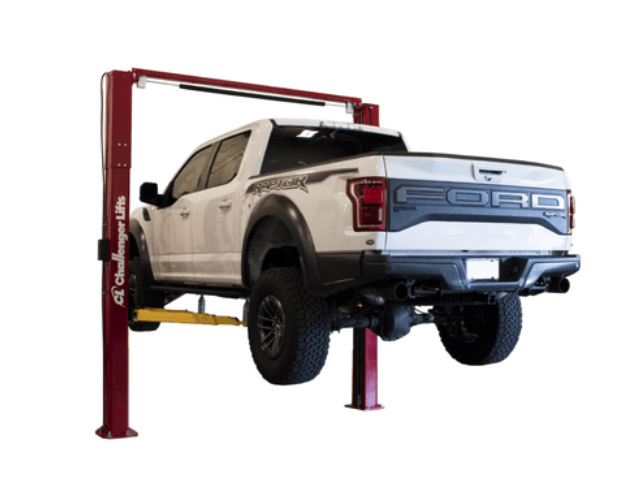
A two-post lift replaces repeated trips to outside garages for grounds vehicles, trailers, vans, and light service work. When matching lift capacity and bay height, start with HeavyLift Direct’s versatile Challenger vehicle lifts to check clearances. The labor saving is not just mechanic time; it is lost travel time, booking delays, and vehicles sitting off-site during peak season.
3. Networked Irrigation Controller
This replaces manual valve checks, guesswork watering, and emergency visits after dry spells. Soil moisture sensors help crews water only the zones that need it, while a networked controller lets supervisors adjust schedules without walking the whole estate.
It pays back fastest on large turf blocks, planted entrances, and remote areas where overwatering creates mowing delays or complaints.
4. Molded Playground Border Edging
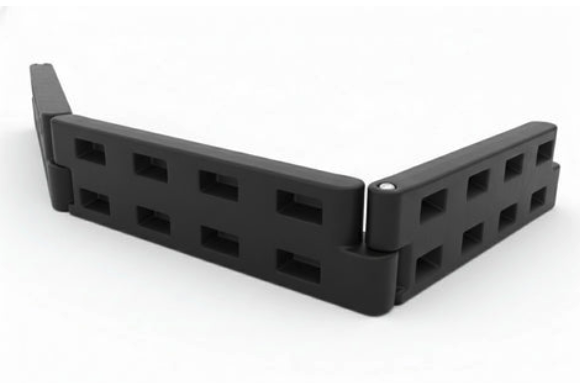
Good edging replaces the constant job of raking loose-fill back into place after children kick it into paths and grass. It also reduces the amount lost during leaf clearance and routine blowing.
This is where topping up rubber mulch every season becomes more predictable with flexible playground borders from WillyGoat. Payback is strongest on busy play areas where surfacing depth must be inspected often.
5. Maintenance Scheduling Platform
A scheduling platform replaces whiteboards, inbox chains, and memory-based task lists. Its value is tying the mower fleet, vehicle bay, irrigation alerts, and playground inspections into one work queue. Municipalities should establish a process to address issues that require corrective action.
For communities with many green infrastructure assets to manage, using tools such as spreadsheets or asset management software can support the scheduling and tracking of inspections and maintenance work. It pays back when teams stop duplicating site visits and start grouping work by route.
Budget Prioritization Strategy
If the budget only covers one upgrade, start with the task that consumes the most weekly labor, not the item with the lowest purchase price. Prioritize solutions that immediately relieve staff capacity and eliminate repeat site trips.
Frequently Asked Questions
Which equipment upgrade saves the most labor?
It depends entirely on your most repetitive weekly task. You must evaluate whether mowing, vehicle servicing, irrigation checks, surfacing correction, or scheduling consumes the most time.
Are autonomous mowers suitable for every large estate?
They work best on open turf but require proper boundary setup, obstacle removal, and clear charging routines. Consistent supervision is still necessary for optimal performance.
When does an in-house vehicle lift make sense?
A lift is justified when fleet size and garage travel time create unacceptable delays. You must ensure your bay height and lift capacity match your heaviest servicing needs.
How does playground edging reduce maintenance time?
Proper containment stops loose-fill from spreading into surrounding areas. This directly results in fewer raking tasks, easier depth inspections, and significantly reduced mulch loss.
Why include scheduling software with physical equipment?
Software connects physical assets, tasks, alerts, inspections, and routes into a single work queue. This prevents duplicated visits and ensures all equipment upgrades function together efficiently.
Main image by Artem Podrez from Pexels
