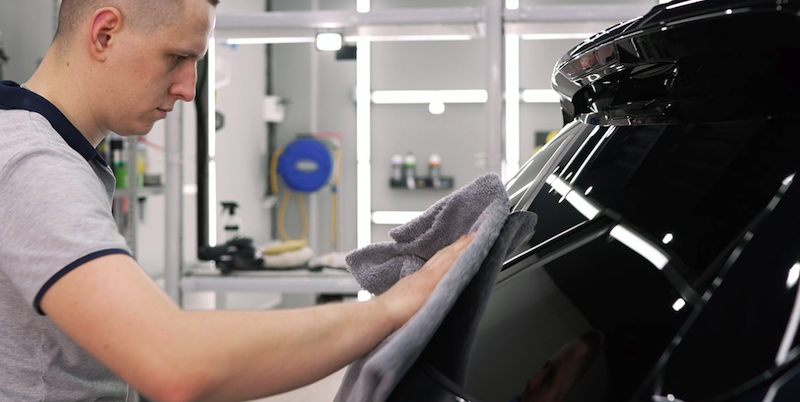
Modern cars now use smart electronics, sensors, and strong materials. Because of this, fixing cars after a crash is now a high-tech job. It uses robots, smart test tools, and special machines that work with great care.
These new ways are making repairs better and helping keep people safe. They also make it faster and smoother to get cars back on the road.
The Role of Automation and Precision
Modern vehicle restoration is not just about basic repairs anymore. A collision center in houston or in any other area now works in a very digital way.
The use of computers, data, and special tools is normal. Cars are not just simple machines. Now, they are made up of many sensors, software, and smart design.
Automation helps a lot to make repair work go more smoothly. Things like digital checks for damage, automated repair estimates, and parts ordering can cut down on human mistakes.
They also help get the work done faster. New shop management tools can track all steps of the repair. This helps keep things clear for both the shop workers and customers.
At the same time, the use of tools like computerized frame alignment systems and robotic paint matching helps. These tools help make repairs that match the way the maker built the car.
Making sure repairs are done right is very important. Even small changes can affect the car’s safety features and how well it works.
Advanced Diagnostics: The Backbone of Modern Repairs
One big change in the field of collision repair is the use of advanced diagnostics. Cars now make a lot of data. With diagnostic tools, you can read this data. These tools help to find damage you may not see, and they do it fast and right.
Pre-repair and post-repair scanning are now common practice in the industry. These scans help find problems in important systems like airbags, braking modules, and electronic units.
These days, many makers ask for several scans while fixing your car. This helps make sure everything works well after the job is done.
Also, today’s car diagnostic tools use OEM data. They let the person who fixes your car see the most recent repair steps. This helps make sure each fix matches what the factory wants. It lowers mistakes and helps your car last longer.
ADAS and Sensor Calibration: A New Standard
Advanced Driver Assistance Systems (ADAS) have changed the way people “fix” a car. Systems such as lane-keeping help, automatic brakes, and collision detection work through sensors, cameras, and radar. Even small bumps can mess with these parts, so it is important to recalibrate them afterward.
Industry reports show that ADAS calibration is now needed in many collision repairs. This shows how much these systems are now a part of the work.
Calibration uses special tools and rooms to make sure things work right. If you do not recalibrate the right way, safety parts may not work as they should.
This can lead to big problems. Because of this, many repair shops spend a lot on labs and teaching their workers how to calibrate.
Integration of AI and Smart Repair Systems
Artificial intelligence is now changing the way people do collision repair. AI tools can look at car damage, suggest how to fix it, and let you know about some problems before they happen. These systems help people make better choices and lower the chance of having to do the work again.
Now, digital platforms let repair centers, insurance companies, and customers talk to each other right away. This helps make approvals, updates, and paperwork quick and smooth for everyone.
AI does not take the place of technicians. It helps them do more and do it better. Skilled people read the data, use their experience, and make sure repairs are safe and done well.
Precision Tools and OEM Standards
Being exact matters a lot when you fix cars today. The makers’ rules tell you the right way to do a repair, what things to use, and how to check if it is correct. When you have this data, you can bring cars back to how they were before the damage.
Advanced tools like laser measuring systems, computerized welders, and digital paint-matching are now used. These tools help the technicians get almost perfect results. The tools also make the work faster. They help make sure each repair is done the same way every time.
Conclusion: Technology Driving Safer, Smarter Repairs
The way we fix cars after they crash is changing. This change is happening because of tools that use automation, good checking systems, and careful work.
AI is used to see damage, and ADAS helps set things up right. When the repair is done, as the car makers say, the car can be made safe and quick to drive again. The use of new ideas and tools makes this work much better.
The car business is changing. Shops that fix cars have to change too. Today’s cars have more and more systems that are hard to fix.
A collision center in houston or any car shop has to use new tools and ways to fix cars. Using these tools is important. It is not just something extra; it is needed if you want to do good work and get cars looking like new again.
