• Skip to primary navigation
  • Skip to main content
  • Skip to primary sidebar
  • Skip to secondary sidebar
  • About
    • Contact
    • Privacy
    • Terms of use
  • Shop
    • Cart
    • Checkout
    • My Account
  • Advertise
    • Advertising
      • Buy ad space
    • Case studies
    • Design
    • Email marketing
    • Features list
    • Lead generation
    • Magazine
    • Press releases
    • Publishing
    • Sponsor an article
    • Webcasting
    • Webinars
    • White papers
    • Writing
  • Subscribe to Newsletter

Robotics & Automation News

Where Innovation Meets Imagination

  • Home
  • News
  • Features
  • Editorial Sections A-Z
    • Agriculture
    • Aircraft
    • Artificial Intelligence
    • Automation
    • Autonomous Vehicles
    • Business
    • Computing
    • Construction
    • Culture
    • Design
    • Drones
    • Economy
    • Energy
    • Engineering
    • Environment
    • Health
    • Humanoids
    • Industrial robots
    • Industry
    • Infrastructure
    • Investments
    • Logistics
    • Manufacturing
    • Marine
    • Material handling
    • Materials
    • Mining
    • Promoted
    • Research
    • Robotics
    • Science
    • Sensors
    • Service robots
    • Software
    • Space
    • Technology
    • Transportation
    • Warehouse robots
    • Wearables
  • Press releases
  • Events

Fasteners and Precision Components: A Simple Guide to Types, Uses, and Importance

January 19, 2026 by Sam Francis

Fasteners may look small and ordinary, but they play a huge role in the modern world. From machines and tools to electronics and industrial systems, fasteners help hold everything together. Without them, most mechanical structures would simply fall apart.

This article explains fasteners in a clear and simple way. It looks at common types, how they are made, where they are used, and why precision components – like shaft machining, gears machining, and micro CNC machining – are becoming increasingly important in today’s manufacturing environment.

What Are Fasteners?

Fasteners are hardware components used to join two or more parts together. They allow parts to be assembled, removed, or adjusted when needed. The most common fasteners include screws, bolts, and nuts.

Some fasteners are temporary, meaning they can be removed easily. Others are designed for long-term use and high strength. Choosing the right fastener depends on the material, load, environment, and purpose of the assembly.

Common Types of Fasteners

Fasteners come in many shapes and designs. Each type is made for a specific job.

Screws

Screws are threaded fasteners that are usually driven directly into a material. They are widely used because they are easy to install and remove.

Common screw types include:

  • Machine screws
  • Self-tapping screws
  • Micro screws
  • Custom-made screws

Screws are used in machines, electronic devices, furniture, and many industrial products. Custom screw manufacturers and screw manufacturers often produce specialty screws for unique applications.

Bolts

Bolts are similar to screws but are usually used with nuts. They pass through holes in parts and are tightened from the other side.

Common bolt types include:

  • Hex bolts
  • Carriage bolts
  • Shoulder bolts
  • Non-standard or custom bolts

Bolts provide strong clamping force and are commonly used in heavy machinery and structural assemblies. Reliable bolts manufacturers and cold forging suppliers play a key role in providing high-quality bolts for industrial use.

Nuts

Nuts work together with bolts to secure parts tightly. They come in different shapes and designs.

Examples include:

  • Hex nuts
  • Lock nuts
  • Flange nuts
  • Custom-designed nuts

Nuts help prevent loosening, especially in systems exposed to vibration.
Thread Types and Their Purpose

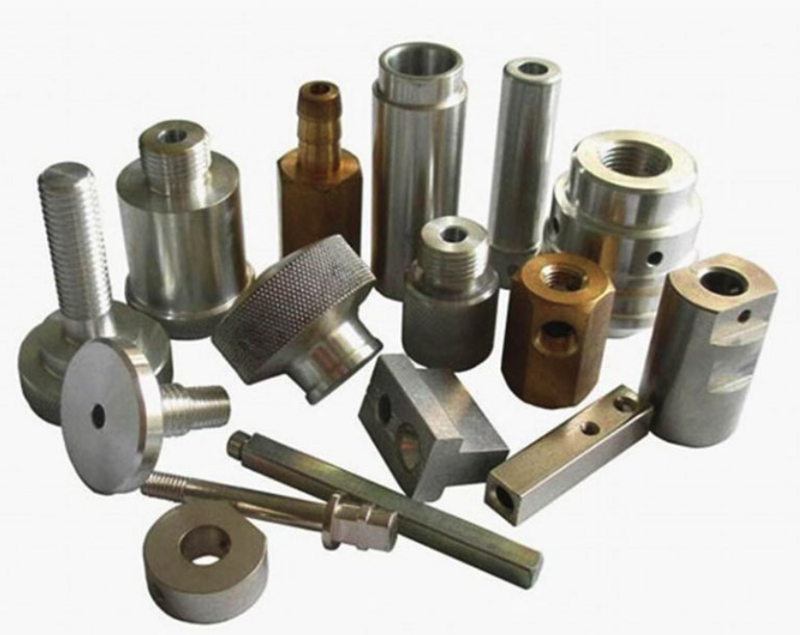
Threads are the spiral ridges on screws and bolts. They play a major role in how fasteners hold parts together.

Some common thread types include:

  • Metric threads
  • Unified threads
  • Fine and coarse threads
  • Custom thread profiles

The right thread ensures proper grip, strength, and durability. In some applications, micro CNC machining or custom threading is required for precise fits.

How Fasteners Are Manufactured

Fasteners are made using different manufacturing methods. The choice of method depends on size, strength, precision, and volume.

Cold Forging and Cold Heading

Cold forging is a process where metal is shaped under high pressure at room temperature. This method is widely used for making bolts, screws, and nuts. Cold heading fasteners are a common result of this process.

Benefits of cold forging include:

  • High strength
  • Better material flow
  • Less waste
  • Consistent quality

Cold forging parts, such as cold forged bolts and cold forged nuts, are commonly used in industrial and mechanical applications. Reliable cold forging supplier ensures precision and durability.

Precision Machining

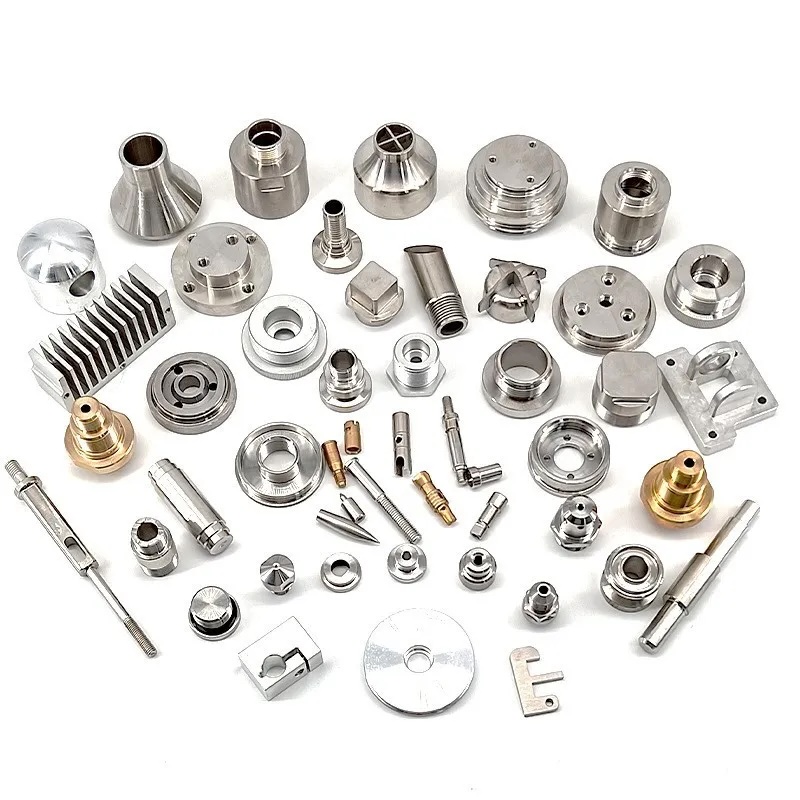
Some components require very high accuracy or complex shapes. These are made using CNC machining, lathe service, Swiss lathe machining, or micro CNC machining.

Precision machining is often used for:

  • Shafts (shaft machining, shaft manufacturer)
  • Pins (pin machining, pin manufacturer)
  • Sleeves (sleeve parts)
  • Gears (gears machining, gears manufacturer, plastic gears)
  • Connectors parts

These components are essential in systems where accuracy and reliability matter. Manufacturers offering CNC turning service or Swiss lathe parts often handle such specialized work.

What Are Precision Components?

Precision components are parts made to exact measurements. Even a small error can affect performance. Examples include:

  • Shafts
  • Pins
  • Bushings
  • Spacers
  • Gears

They are used in machines, automation systems, and mechanical assemblies where smooth operation is critical. Gear supplier, shaft supplier, and custom bolts manufacturers all contribute to building these precise assemblies.

Materials Used in Fasteners and Components

The material of a fastener affects its strength, weight, and resistance to corrosion. Common materials include:

  • Carbon steel
  • Alloy steel
  • Stainless steel
  • Brass (brass nuts)
  • Titanium (titanium screws)
  • Engineering plastics (plastic screws, plastic gears)

Each material has its own advantages. For example, stainless steel resists rust, while titanium offers high strength with low weight.

Custom and Non-Standard Fasteners

Not all projects can use standard fasteners. Some designs require special sizes, shapes, or materials.

Custom fasteners are made for:

  • Unique mechanical designs
  • Space-limited assemblies
  • Special load or temperature conditions
  • Specific industry requirements

Non-standard bolts, custom screws, custom nuts, and cold forging parts are examples of solutions that improve performance and ensure a proper fit.

Where Fasteners and Precision Parts Are Used

Fasteners and precision components are used across many industries, including:

  • Manufacturing and machinery
  • Industrial equipment
  • Automotive systems
  • Electronics and instruments
  • Robotics and automation
  • Construction and infrastructure

They may be small, but they are critical to safety, strength, and performance.

Why Quality Matters

Using low-quality fasteners can lead to serious problems. Loose joints, wear, and failure can damage equipment or cause safety risks.

High-quality fasteners offer:

  • Better strength
  • Longer service life
  • Reliable performance
  • Improved safety

That’s why manufacturers focus on precision, material selection, and proper manufacturing methods.

Final Thoughts

Fasteners and precision components – ranging from cold forged bolts and nuts to Swiss lathe parts and shaft machining – are essential in modern engineering and manufacturing. From simple screws to highly accurate machined parts, they support the systems we rely on every day.

Understanding their types, uses, and importance helps engineers, technicians, and manufacturers make better decisions. In a world where machines and systems are becoming more advanced, reliable fasteners remain a quiet but vital foundation.

Print Friendly, PDF & Email

Share this:

  • Print (Opens in new window) Print
  • Share on Facebook (Opens in new window) Facebook
  • Share on LinkedIn (Opens in new window) LinkedIn
  • Share on Reddit (Opens in new window) Reddit
  • Share on X (Opens in new window) X
  • Share on Tumblr (Opens in new window) Tumblr
  • Share on Pinterest (Opens in new window) Pinterest
  • Share on WhatsApp (Opens in new window) WhatsApp
  • Share on Telegram (Opens in new window) Telegram

Related stories you might also like…

Filed Under: Engineering Tagged With: automation news, cnc machining, cold forging, fasteners, industrial manufacturing, mechanical engineering, precision components, robotics and automation, robotics and automation news, robotics news

Primary Sidebar

Search this website

Latest articles

  • The Hardware Powering the Hybrid Industrial Workforce
  • How to Choose a Robot Vacuum and Mop That Actually Fits Your Home
  • How Modern Software Helps Construction Companies in Qatar Work Smarter and Safer
  • Antivirus vs malware: Why antivirus alone is no longer enough
  • X Square Robot builds a full-stack approach to embodied AI and general-purpose robotics
  • AGIBOT debuts A3 humanoid robot in Europe and launches UK Robot-as-a-Service model
  • What Are the Biggest Challenges in Modern Electronics Manufacturing?
  • What Are the Best AI Tools for Creating Content Faster in 2026?
  • Why Does Quality Wiring Matter More Than Ever in Modern Electronic Devices?
  • Why Are Custom Harness Solutions Essential for Next Generation Technology?

Secondary Sidebar

Latest news

  • The Hardware Powering the Hybrid Industrial Workforce
  • How to Choose a Robot Vacuum and Mop That Actually Fits Your Home
  • How Modern Software Helps Construction Companies in Qatar Work Smarter and Safer
  • Antivirus vs malware: Why antivirus alone is no longer enough
  • X Square Robot builds a full-stack approach to embodied AI and general-purpose robotics
  • AGIBOT debuts A3 humanoid robot in Europe and launches UK Robot-as-a-Service model
  • What Are the Biggest Challenges in Modern Electronics Manufacturing?
  • What Are the Best AI Tools for Creating Content Faster in 2026?
  • Why Does Quality Wiring Matter More Than Ever in Modern Electronic Devices?
  • Why Are Custom Harness Solutions Essential for Next Generation Technology?

Copyright © 2026 · News Pro on Genesis Framework · WordPress · Log in

We use cookies on our website to give you the most relevant experience by remembering your preferences and repeat visits. By clicking “Accept”, you consent to the use of ALL the cookies.
Do not sell my personal information.
Cookie SettingsAccept
Manage consent

Privacy Overview

This website uses cookies to improve your experience while you navigate through the website. Out of these, the cookies that are categorized as necessary are stored on your browser as they are essential for the working of basic functionalities of the website. We also use third-party cookies that help us analyze and understand how you use this website. These cookies will be stored in your browser only with your consent. You also have the option to opt-out of these cookies. But opting out of some of these cookies may affect your browsing experience.
Necessary
Always Enabled
Necessary cookies are absolutely essential for the website to function properly. These cookies ensure basic functionalities and security features of the website, anonymously.
CookieDurationDescription
cookielawinfo-checkbox-analytics11 monthsThis cookie is set by GDPR Cookie Consent plugin. The cookie is used to store the user consent for the cookies in the category "Analytics".
cookielawinfo-checkbox-functional11 monthsThe cookie is set by GDPR cookie consent to record the user consent for the cookies in the category "Functional".
cookielawinfo-checkbox-necessary11 monthsThis cookie is set by GDPR Cookie Consent plugin. The cookies is used to store the user consent for the cookies in the category "Necessary".
cookielawinfo-checkbox-others11 monthsThis cookie is set by GDPR Cookie Consent plugin. The cookie is used to store the user consent for the cookies in the category "Other.
cookielawinfo-checkbox-performance11 monthsThis cookie is set by GDPR Cookie Consent plugin. The cookie is used to store the user consent for the cookies in the category "Performance".
viewed_cookie_policy11 monthsThe cookie is set by the GDPR Cookie Consent plugin and is used to store whether or not user has consented to the use of cookies. It does not store any personal data.
Functional
Functional cookies help to perform certain functionalities like sharing the content of the website on social media platforms, collect feedbacks, and other third-party features.
Performance
Performance cookies are used to understand and analyze the key performance indexes of the website which helps in delivering a better user experience for the visitors.
Analytics
Analytical cookies are used to understand how visitors interact with the website. These cookies help provide information on metrics the number of visitors, bounce rate, traffic source, etc.
Advertisement
Advertisement cookies are used to provide visitors with relevant ads and marketing campaigns. These cookies track visitors across websites and collect information to provide customized ads.
Others
Other uncategorized cookies are those that are being analyzed and have not been classified into a category as yet.
SAVE & ACCEPT