Managing several display screens across one location or multiple sites can become difficult without the right system.
Different content, inconsistent updates, and manual changes take valuable time away from daily operations. As the number of screens grows, keeping every display accurate becomes a bigger challenge for businesses.
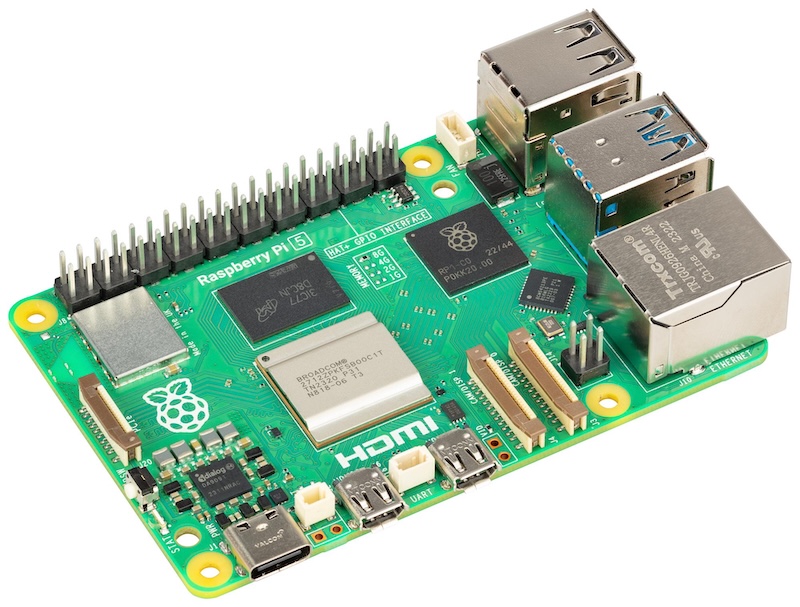
A Raspberry Pi digital signage solution helps simplify display management by connecting existing screens to a centralized content platform. This article explores common problems businesses face with multiple displays and explains how Raspberry Pi can help solve them more efficiently.
Keep Every Screen Updated at the Same Time
One of the biggest challenges with multiple displays is maintaining consistent information. If one screen shows outdated pricing or an old promotion while another has current content, customers may receive mixed messages. A centralized system allows businesses to publish updates across every connected display at once.
This reduces manual work and helps maintain consistent communication throughout retail stores, restaurants, offices, healthcare facilities, and educational campuses.
Reduce the Time Spent Managing Displays
Updating displays individually becomes less practical as the number of screens increases. Walking from one device to another to change content can consume valuable staff time, especially for businesses with displays in different departments.
Instead of updating each screen separately, businesses can schedule changes from a single dashboard. This makes routine tasks like changing promotions, announcements, or menus much faster and easier to manage.
Reuse Existing Hardware Across Locations
Businesses do not always need to replace existing televisions or monitors when expanding a digital signage network. Raspberry Pi devices can work with compatible screens already installed throughout the building.
This approach helps organizations make better use of existing equipment while creating a consistent display network. It is particularly useful for businesses adding displays gradually instead of completing a full replacement project.
Make Content Relevant to Each Display
Different locations frequently require different messages. A reception area may display welcome information, while a cafeteria shows menus, and a meeting room displays schedules. With Raspberry Pi digital signage, administrators can organize content for individual screens or groups of displays.
This flexibility allows businesses to deliver information that matches the purpose of each location without affecting every screen in the network.
Monitor Display Performance From One Place
Businesses may not immediately notice when a screen goes offline or stops displaying current content. Without monitoring tools, these issues can remain unnoticed until a customer or employee reports them.
Many digital signage platforms include remote monitoring that helps administrators check device status, connection health, and content updates from a central dashboard. Faster issue detection helps reduce downtime and keeps displays working as expected.
Signs Your Business Has Outgrown Manual Display Management
As businesses add more screens, updating each display individually becomes harder to manage. Recognizing these signs early can help determine when it’s time to move to a centralized digital signage solution.
Common indicators include:
- Staff spend too much time updating screens one by one.
- Different displays show inconsistent pricing, promotions, or announcements.
- Content updates are delayed because someone must visit each location.
- Multiple business locations struggle to keep displays synchronized.
- Temporary promotions remain on screens after they expire.
- Display issues are discovered only after customers or employees report them.
- New screens are difficult to add without creating extra work.
- Managing displays has become a regular operational task instead of a quick update.
These situations suggest that a centralized Raspberry Pi digital signage solution can improve efficiency, maintain consistent messaging, and make display management much easier as the business grows.
Managing multiple displays becomes much simpler when businesses use a centralized system designed for flexibility and growth. Raspberry Pi helps organizations reuse existing hardware, update content efficiently, customize information for different locations, and monitor display performance from one place.
With the right digital signage platform, businesses can improve communication, reduce manual effort, and keep every screen accurate as their display network continues to expand.
