For decades, a boat was a simple thing: a hull, an engine, and a captain’s judgment. That picture is changing fast. The same wave of automation, electrification, and smart software reshaping cars and factories has arrived at the marina, and recreational boating will never be quite the same.
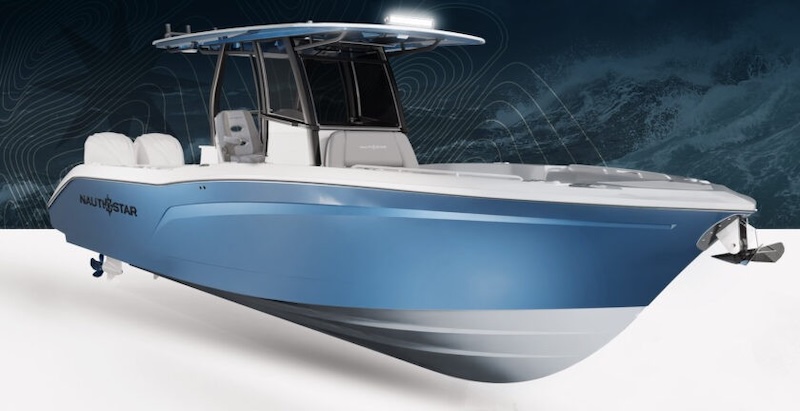
The result is boats that are safer, cleaner, and easier to handle than ever. Modern recreational brands, from established names to models like NauticStar Boats, increasingly build in technology that once belonged only to commercial ships. Here is what is changing on the water.
What is Driving the Change?
Several trends are converging at once. Marine automation is the use of software and sensors to assist or take over tasks a boat’s operator once handled manually. What began on massive cargo ships is steadily reaching everyday pleasure craft.
Commercial breakthroughs lead the way. Innovations in autonomous ship control trickle down to smaller vessels within a few years. The recreational market is often the direct beneficiary of that heavy commercial investment.
Consumers expect more too. Boaters raised on smartphones and driver assistance want the same intelligence afloat, from touchscreen helms to phone-linked monitoring. That demand pulls features once reserved for luxury yachts into even mid-range boats, and manufacturers compete hard to offer them at accessible prices.
How is Navigation Getting Smarter?
This is the most visible shift. An autonomous vessel is a boat that can steer and control itself using sensors and software, with little or no human input. Full autonomy is still rare in recreational craft, but its building blocks are already here, and they are arriving faster than most boaters realize.
Assistance is the practical middle ground. Features like GPS chartplotting, automatic docking, and collision alerts reduce the skill barrier to safe boating. Companies such as Sea Machines pioneered self-driving boat technology that is now filtering into consumer systems.
Safety is the real payoff. Reliable navigation data and hazard warnings, backed by resources like NOAA’s ocean service, help boaters avoid the mistakes that cause most accidents. Smarter navigation means fewer emergencies.
What About Electric and Hybrid Power?
Propulsion is being reinvented. Electric motors are quieter, cleaner, and increasingly capable, and they are appearing across the recreational fleet. For short trips and calm waters, they are already a genuine option.
Efficiency is climbing fast. A hydrofoil is a wing-like structure under a hull that lifts the boat above the water to cut drag. Award-winning electric hydrofoil boats now travel on a fraction of the energy a conventional hull needs, pointing to where the whole market is heading.
The benefits stack up. A short list captures why boaters are paying attention.
- Lower emissions. Electric power cuts on-water pollution sharply.
- Quiet operation. Motors run far quieter than combustion engines.
- Less maintenance. Fewer moving parts mean fewer breakdowns.
- Instant torque. Electric drives respond immediately and smoothly.
- Lower running costs. Charging often costs less than fuel.
How is Manufacturing Evolving?
The boats themselves are built differently now. Automation, robotics, and precision manufacturing have raised quality and consistency on the production line. That means better fit, finish, and reliability for buyers.
Investment is pouring in. Startups have raised serious funding, including a 4 million dollar round for one marine robotics venture. That money accelerates the features that reach ordinary consumers within just a few seasons.
Standards keep pace too. Guidance from bodies like NIST on intelligent systems shapes how automated technologies are tested and trusted before they reach the water. Reliable engineering, quietly enforced by these standards, underpins every smart feature a buyer eventually enjoys on board.
What Should Buyers Look For?
Technology should serve the boater, not overwhelm them. A few priorities help.
- Useful features. Choose tech you will actually use, like GPS and alerts.
- Ease of use. Intuitive controls beat a cluttered touchscreen.
- Support. A dealer who can service modern systems matters.
- Value. Balance new features against cost and real-world need.
Match the boat to the mission. A calm-lake cruiser and an offshore fishing boat need very different technology, and features that shine in one setting are dead weight in another. The right choice fits how and where you actually boat, not the longest spec sheet on the showroom floor.
What to Keep in Mind
- Automation and electrification are reshaping recreational boating fast.
- Marine automation uses sensors and software to assist the operator.
- Navigation aids like GPS and collision alerts make boating safer.
- Electric power and hydrofoils cut emissions, noise, and running costs.
- One marine robotics startup alone raised 4 million dollars in funding.
- Choose technology that genuinely fits how you use your boat.
Navigating the Future of Boating
Recreational boating is entering its most exciting era in generations. Smarter navigation, cleaner power, and better-built hulls are making time on the water safer and more enjoyable for everyone. For buyers, the trick is choosing the features that fit their boating life, then simply casting off and enjoying the ride.
FAQ
Are Self-Driving Boats Available to Consumers Yet?
Fully autonomous recreational boats are not yet mainstream, but assisted features are. Automatic docking, GPS routing, and collision alerts already reduce the workload. These building blocks are steadily appearing on consumer boats.
Are Electric Boats Practical for Everyday Use?
Increasingly, yes, especially for shorter trips on calm water. Range and charging remain limiting factors for long offshore runs. For lakes and coastal cruising, electric options are already compelling.
Does More Technology Mean Higher Maintenance?
Not necessarily. Electric drives have fewer moving parts than combustion engines, which can lower maintenance. Digital systems do need updates and a capable dealer, so factor service support into your decision.
What Technology is Most Worth Having on a Boat?
For most boaters, reliable GPS navigation and collision or depth alerts deliver the biggest safety gains. Beyond that, choose features you will genuinely use. Avoid paying for complex systems that never leave the dock.
