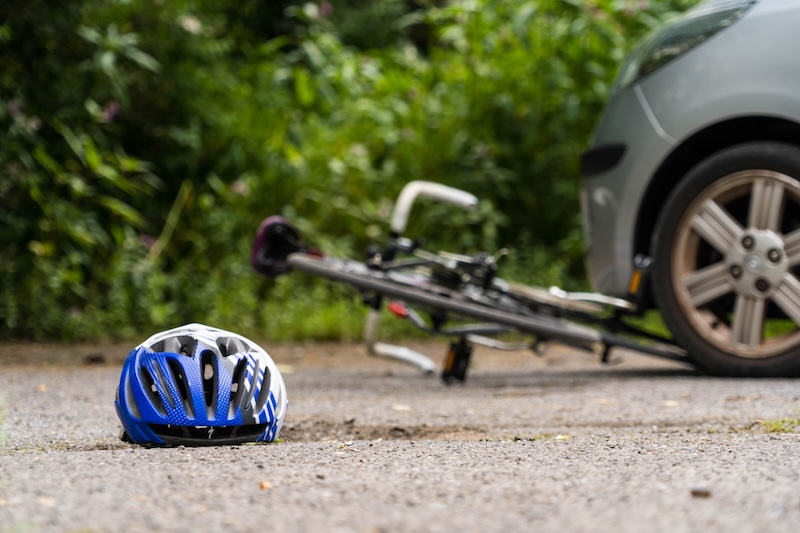
Left-turn crashes can look routine until the physics become clear. A driver turns across an oncoming lane while estimating speed, distance, signal timing, and traffic pressure.
For a bike rider, that brief misread can leave almost no protective space. Motorcycles and bicycles expose the head, chest, pelvis, and limbs to direct force. That is why these collisions so often produce catastrophic injuries within seconds.
The Core Danger
In the first hours after impact, key proof may fade, including skid marks, signal cycles, and nearby video. Riders in Arkansas often need evidence showing lane position, sight lines, and driver conduct.
A motorcycle accident lawyer little rock can assess those facts after a left-turn crash and relate them to local traffic duties.
Why Drivers Misjudge Riders
Drivers are trained by habit to detect cars first. Larger vehicles fill mirrors and windshields, while a rider’s narrow profile can seem farther away.
That error becomes dangerous during a left turn. The driver must choose within seconds. If the gap is misread, the rider may meet a vehicle already crossing the lane.
Intersections Raise Risk
Intersections demand rapid visual sorting. Drivers monitor arrows, signals, pedestrians, side streets, and traffic behind them. A rider may be present in plain sight, yet still fail to register as a hazard.
Left turns also create a direct path conflict. Instead of being struck from behind, the rider often hits the side of a vehicle with little braking time.
Speed Changes Everything
Speed reduces every margin. At 35 miles per hour, a rider covers more than 50 feet each second. Once a car begins crossing, there may be no clean stopping distance.
Wet pavement, worn tires, gravel, and uneven asphalt lengthen braking. By the time the danger becomes obvious, momentum may already decide the injury pattern.
Why Injuries Are Severe
Riders do not have a steel cabin, belt system, or airbag barrier. The body receives forces that a passenger vehicle usually absorbs.
Common trauma includes brain injury, femur fractures, pelvic disruption, spinal damage, and internal bleeding. Left-turn impacts often strike at an angle. That angle can launch the person onto pavement or into moving traffic.
The Visibility Problem
A rider can disappear behind glare, roadside signs, parked cars, or a larger vehicle in an adjacent lane. Bright gear helps contrast, but it cannot correct every visual failure.
Headlights improve detection, yet attention still matters. The driver must see the rider, recognize closing speed, and delay the turn until the lane is truly clear.
Looked But Missed
Many drivers report that they looked before turning. That statement can be honest and still incomplete. The eyes may scan an area while the brain fails to identify danger.
Small profiles, visual clutter, and hurried judgment increase that risk. For riders, being visible does not always mean being perceived.
Left Turns Block Escape
A turning vehicle can seal the rider’s lane from the side. Swerving left may lead into oncoming traffic. Moving right can send the person near a curb, sidewalk, or another car.
Hard braking may reduce impact speed, yet it can also cause instability. The rider often has fractions of a second to choose between unsafe options.
Fault is Often Disputed
Drivers may say the rider was speeding, hidden, or passing improperly. Riders may recall a green light, open lane, and sudden turn. Reconstruction experts can compare crush damage, debris location, sight distance, and vehicle data.
Witness accounts also matter. Careful evidence review separates memory gaps from measurable facts after both sides describe the same moment differently.
Useful Evidence
Helpful proof often includes traffic cameras, storefront video, vehicle damage, helmet marks, phone records, and emergency notes. Early photographs can preserve lane markings, lighting, and signal placement.
Road design may also contribute. Faded paint, blocked views, poor illumination, or confusing turn lanes can explain how a routine movement became life threatening.
Prevention Starts Early
Drivers can lower risk by pausing before every left turn and checking again for riders. Distance should be judged by closing speed, not vehicle size.
Riders can improve visibility with lights, steady lane position, and predictable movement. Still, the primary duty rests with the turning driver. Waiting a few more seconds can prevent permanent harm.
Conclusion
Left-turn crashes are deadly because poor visibility, rushed judgment, crossing paths, and exposed bodies meet at one point. A single mistaken gap can place a vehicle directly in front of someone with minimal protection. The danger comes from ordinary habits at familiar intersections.
Safer turns require patience, focused scanning, and respect for how quickly riders approach. Those choices can determine whether everyone gets home alive.
