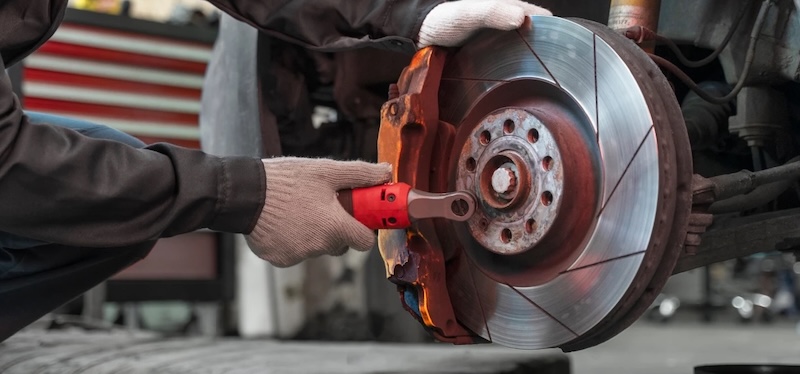
Replacing your brakes is a vital part of vehicle maintenance, but costs vary based on vehicle type, driving habits, and worn components. Many drivers start researching prices after noticing squeaking, grinding, or reduced stopping power.
Knowing what affects brake pricing helps you avoid surprises and make smarter decisions. If you’re comparing options for brake repair Houston, understanding average costs and service quality can save time and money. Choosing a trusted professional keeps your braking system safe, responsive, and reliable.
Average Brake Replacement Cost
The average brake replacement cost depends on which components need service and the type of vehicle you drive. Many drivers only need new brake pads, but worn rotors or calipers can raise the total price.
Labor rates, parts quality, and location also impact cost, especially when selecting a dependable auto repair Houston provider for accurate diagnostics. Below is a breakdown of common brake services and pricing.
Brake Pad Replacement Cost
Brake pad replacement is the most common and affordable brake service. Pads wear faster than other components and require routine replacement to maintain safety. Visit Eric’s Car Care to learn more about selecting the right brake pads. Understanding material type and lifespan is helpful.
- Average cost: $100–$300 per axle
- Front brake pads usually cost more than rear ones
- Premium or ceramic pads cost more but last longer
Brake Rotor Replacement Cost
Brake rotors need replacement when warped, grooved, or below the minimum thickness. New rotors restore braking performance and eliminate vibration.
- Average cost: $200–$500 per axle
- High-performance or drilled rotors increase price
- Some vehicles require rotor replacement with pad changes
Complete Brake Job Cost
A complete brake job includes pads, rotors, labor, and sometimes hardware. It’s recommended when multiple parts show wear.
- Average cost: $300–$800 per axle
- Luxury or heavy vehicles may exceed $1,000
- Provides better safety and longer brake life
Brake Replacement Cost by Vehicle Type
Brake costs vary based on vehicle size, weight, and design. Heavier vehicles strain brake components more, while luxury models require specialized parts and labor.
Sedan Brake Replacement Cost
Sedans typically have the lowest brake replacement costs due to lighter weight and standard components.
- Average cost: $150–$400 per axle
- Compact and mid size sedans are most affordable
- Brake pads last longer than on heavier vehicles
SUV and Truck Brake Cost
SUVs and trucks need larger, heavy-duty braking components, increasing cost and wear.
- Average cost: $250–$700 per axle
- Heavy-duty pads and rotors raise pricing
- Towing or off-road driving accelerates wear
Luxury Car Brake Repair Cost
Luxury vehicles use high-performance braking systems that raise parts and labor costs.
- Average cost: $400–$1,000+ per axle
- Ceramic and premium materials are common
- Certified or dealership service is often required
Front vs Rear Brake Replacement Cost
Front and rear brake costs differ due to braking force distribution. Front brakes wear faster, while rear brakes last longer but may involve added systems.
Front Brake Cost Explained
Front brakes handle most of the stopping power, leading to quicker wear.
- Average cost: $200–$500 per axle
- Front pads wear faster than rear
- Rotor replacement is more common
Rear Brake Cost Breakdown
Rear brakes experience less friction but may include parking brake components.
- Average cost: $150–$400 per axle
- Rear pads last longer
- Electronic or drum parking brakes may add cost
Factors that Affect Brake Replacement Cost
Brake replacement pricing varies due to labor rates, parts quality, and driving habits. Knowing these factors helps you budget accurately.
Labor Cost for Brake Replacement
Labor depends on shop type, location, and brake system complexity.
- Average labor cost: $80–$150 per hour
- Dealerships cost more than independent shops
- Advanced braking systems increase labor time
Brake Parts Quality and Brand
Parts quality affects performance, lifespan, and price.
- Economy pads cost less but wear faster
- Ceramic pads reduce dust and noise
- OEM parts cost more than aftermarket options
Driving Habits and Brake Wear
How you drive directly impacts brake longevity.
- Stop-and-go traffic increases pad wear
- Hard braking damages rotors faster
- Highway driving extends brake life
Key Takeaways
- Brake replacement costs vary by vehicle type, parts, and labor
- Brake pads are the most affordable and frequently replaced component
- Front brakes cost more due to heavier workload
- Premium parts cost more upfront but last longer
- Choosing a reliable repair shop helps control long-term costs
