Picture this. You’re standing on an offshore oil platform, surrounded by the constant hum of machinery and the salty bite of sea air. Everywhere you look, there are pipes hissing with pressurized gas, tanks holding volatile chemicals, and automated systems running operations that would have required dozens of workers just a decade ago. It’s impressive, honestly.
But here’s the thing that keeps safety managers awake at night: someone still needs to check on these systems. Someone has to verify that the valves are sealing properly, that the pressure readings match reality, that nothing is leaking or overheating in places where a single spark could spell disaster.
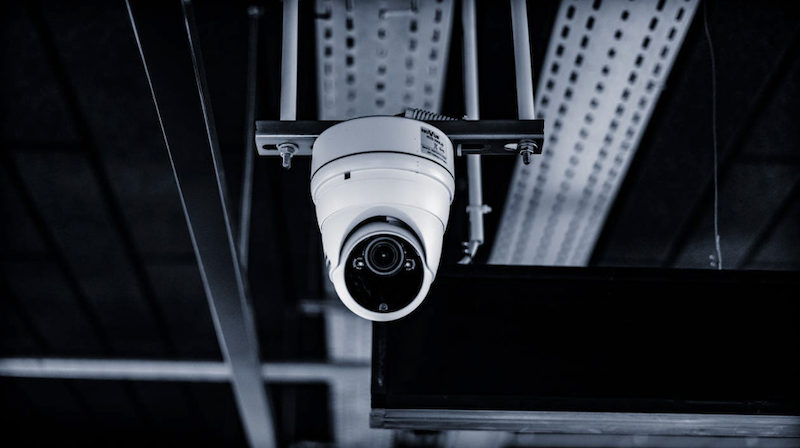
That’s where explosion proof camera systems come into the picture. Companies have spent years developing certified visual monitoring equipment specifically for these unforgiving environments.
These aren’t your standard security cameras slapped into a tough housing. They’re engineered from the ground up to operate safely in areas where flammable gases, combustible dust, or volatile vapors are part of the daily reality.
Why Cameras Beat Sensors Alone
You might be wondering why visual monitoring matters so much when sensors can track pressure, temperature, and flow rates automatically. Fair question. The truth is, sensors tell you what the numbers say, but cameras show you what’s actually happening.
A sensor might report that a valve is closed, but only a camera can reveal that same valve is visibly corroded, or that ice is building up on the housing, or that a maintenance tag is hanging loose where it shouldn’t be. In hazardous environments, that gap between data and reality can be the difference between a normal Tuesday and an evacuation.
Let me explain how this actually works in practice. Modern explosion-proof cameras are built to global certification standards like ATEX, IECEx, and NEC. These aren’t just bureaucratic checkboxes. Each certification represents rigorous testing that proves the camera won’t become an ignition source even if something goes wrong inside the housing.
The enclosures are engineered to contain any internal explosion and cool the escaping gases below the ignition temperature of the surrounding atmosphere. It’s heavy-duty engineering, the kind that makes these units significantly bulkier than your office security camera, but also the kind that keeps facilities running safely.
The Robotics Connection
The real transformation happening right now isn’t just about safety, though that’s certainly the primary driver. It’s about how these visual systems integrate with broader automation infrastructure. Here’s where it gets interesting.
When you pair explosion-proof cameras with robotic inspection systems, you create something genuinely powerful: the ability to monitor hazardous zones without putting human workers at risk. Automated guided vehicles equipped with certified cameras can patrol areas that would require extensive safety protocols and protective equipment for human entry.
They can capture high-resolution footage of equipment conditions, stream it back to control rooms in real time, and even use AI analysis to flag potential issues before they become critical failures.
Oil and gas facilities were among the early adopters, which makes sense given the inherent risks of their operations. But chemical processing plants, pharmaceutical manufacturing, grain handling facilities, and even wastewater treatment operations are catching on.
Anywhere you have combustible dust or flammable atmospheres, the logic becomes hard to ignore. Why send a person into a potentially dangerous situation when a camera can show you everything you need to see from a safe distance?
The Reality of Adoption
Honestly, the adoption curve has been slower than you might expect. Part of that’s cultural. Old-school plant managers sometimes trust their eyes and experience more than they trust technology. Part of it’s budgetary.
These specialized cameras cost significantly more than standard industrial models, and the installation requires certified technicians who understand hazardous area classifications.
But the math is shifting. When you factor in reduced insurance premiums, fewer safety incidents, faster troubleshooting, and the ability to keep operations running during inspections that would otherwise require shutdowns, the return on investment becomes pretty compelling.
There’s another angle worth mentioning. Regulatory bodies are getting stricter about visual documentation in hazardous industries. Inspectors want to see that facilities are actually monitoring critical equipment, not just assuming it’s fine because the sensors say so. Having a network of certified cameras provides that documentation automatically.
You can pull footage from last Tuesday to verify that a seal was intact, or review a month’s worth of thermal imaging to spot gradual temperature changes that might indicate developing problems. It’s audit-friendly in a way that manual inspection logs simply aren’t.
Where This is All Heading
Looking ahead, the integration with Industry 4.0 systems is where things get really exciting. Imagine cameras that don’t just record footage but actively participate in your facility’s digital twin. They feed visual data into machine learning models that recognize normal versus abnormal conditions.
They trigger automated responses when they detect specific visual cues. A leak becomes visible to the system before it’s visible to a human operator, and containment protocols activate immediately. That’s not science fiction; that’s the direction smart facilities are moving right now.
Of course, none of this works if the hardware can’t survive the environment. Standard cameras fail quickly in corrosive atmospheres, extreme temperatures, or areas with heavy vibration. The explosion-proof variants are built for this reality.
Stainless steel housings resist chemical corrosion. Specialized seals keep out dust and moisture. Heating elements prevent lens fogging in cold climates. These are workhorse devices designed for years of continuous operation in conditions that would destroy consumer electronics in hours.
The Bottom Line for Safety Managers
So where does this leave us? If you’re managing operations in any hazardous environment, visual monitoring isn’t a luxury anymore. It’s becoming a baseline expectation for safety, compliance, and operational efficiency.
The technology has matured to the point where it’s reliable enough for critical infrastructure and affordable enough for mid-sized facilities. The question isn’t really whether to implement it, but how quickly you can deploy it without disrupting existing operations.
You know what strikes me most about this shift? It’s one of those rare cases where safety improvements and productivity gains actually align perfectly.
Better monitoring means fewer incidents, obviously. But it also means faster troubleshooting, less downtime, reduced insurance costs, and the ability to automate inspections that used to tie up skilled workers. That’s a win by any measure.
The hazardous industrial world is changing. Automation is handling more of the physical work, data analytics is handling more of the decision-making, and visual monitoring is bridging the gap between what the systems report and what the systems actually show.
For anyone working in oil and gas, chemical processing, or similar environments, keeping an eye on operations used to mean taking risks. Now it just means keeping an eye on the screen. And honestly? That’s a trade worth making.
