Finance, robotics, autonomous vehicles, and films – these are some of the major industries that one thinks about when AI, or artificial intelligence, is mentioned.
What people do not know is that AI has moved far beyond its initial stages and now has entered every field possible. It is not just being used in the service sector, but is also advancing the field of manufacturing as well.
The tile manufacturing industry is one of the significant examples of how AI and automation are changing this field. AI is reshaping the way tiles are designed, produced, and even sold.
From increased speed to better manufacturing to reduced waste, AI is being used by tile manufacturers to make their production process better and more consistent.
Artificial intelligence and automation are changing the tile manufacturing industry by focusing on three major aspects: design, production, and quality checks. Let’s have a detailed look at all three, one by one.
Artificial Intelligence in Design
Beyond factory floors, artificial intelligence, especially generative AI, is predominantly used in how tiles are designed, imagined, and developed. From experimenting with new patterns and designs to simulating installations, AI helps designers and manufacturers to conceptualize products with better precision and speed.
AI’s role in design includes
- Design Insights: Machine learning can analyze customer preferences, market data, and trends to generate actionable design insights and strategic direction. This way, manufacturers have a reduced risk of launching designs that fail to resonate with the market.
- Advanced Digital Printing: AI can make digitally printed tiles more realistic by ensuring consistent, natural-looking variation across faces. This results in cohesive yet naturally varied designs across extensive collections and high-volume manufacturing.
- Pattern Development: Generative AI tools can be used to create numerous variations of wood-look, stone-look, abstract, geometric, and other surface designs. Designers can use the tools to adjust the shades, intensity, density, and other aspects of patterns before the manufacturing process begins.
- Visualization: Using AI, manufacturers can visualize how a particular product will look and survive in different spaces, such as indoors, outdoors, commercial, and residential. This reduces the need for multiple physical samples or trials.
Beyond design, technology can be used to enhance the production process of tiles.
Improving Production Through Automation
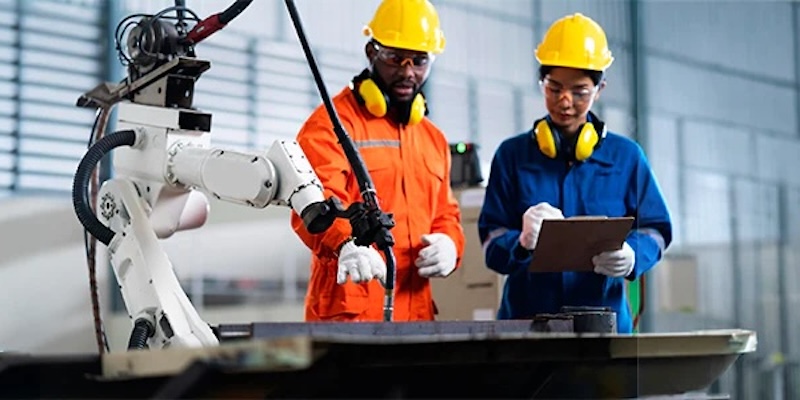
AI and automation are changing the way tile is produced by turning the isolated steps of the process into a data-driven and synchronized system. Through various intelligent control systems, manufacturers can ensure consistent and precise output without any disruptions or errors.
- Energy Efficiency: Energy costs form a large part of tile manufacturing expenses. Intelligent systems track usage and adjust heating cycles to remove waste without affecting quality. These steady improvements lower costs and support sustainability targets over time without compromising on tile strength and performance.
- Predictive Maintenance: AI sensors can track the performance data of various machines so that they can predict their breakdown before it happens.
- Kiln Temperature Optimization: With the help of digital systems, kiln temperature can be monitored precisely, ensuring the most optimum conditions for the firing of tiles according to their requirements. This can help prevent warping and similar defects.
- Line Synchronization: This includes the digital control and handling of pressing, printing, glazing, and packaging stages. The digital control ensures that a balanced and precise output is achieved without any bottlenecks.
Together with AI-based inspection systems, automation strengthens both productivity and product reliability. Their combined benefits are significant in quality control and inspection stages as well.
Improving Quality Control with AI and Automation
Tile manufacturing is a technically demanding process that requires numerous resources. High volumes of raw materials such as glass, clay, feldspar, pigments, stone, metals, etc. must go through various, tightly controlled physical and chemical processes to ensure a tile’s aesthetic consistency and long-term durability. Different types of tiles require different raw materials and processes.
With many variables such as moisture, heat, temperature, pigments, and glaze involved in the production, even the tiniest error in measurement can lead to major wastage of time, material, and money.
To counter these errors, manufacturers have traditionally employed manual inspections and quality checks. However, human checkers can be inconsistent due to oversight, fatigue, and similar reasons. If they fail to detect a defect in the early stages, it may result in the whole batch being discarded.
Here, combining manual expertise with AI checks and systems can help solve most of the issues. Some major ways in which artificial intelligence and automation can help in QC include:
- Color Consistency Check: AI can compare every manufactured piece of tile with the digital standards fed to it to prevent any kind of shade or pattern variation.
- Camera-Based Surface Inspection: High-speed cameras are used to scan each piece for defects such as glaze issues, scratches, chipping, cracks, etc. These cameras, when paired with manual inspection, can prove totally defect-free.
- Root Cause Detection: By analyzing production data, AI links recurring defects to variables like kiln temperature or glaze flow, enabling faster corrective action.
- Dimensional Precision Monitoring: Thickness, size, and shape can be verified using automated systems through which tiles that don’t fit the specifications can be discarded.
Together, these capabilities allow tile manufacturers to innovate faster, reduce development costs, and respond more confidently to changing design trends.
Conclusion
From food production to robotics, AI is transforming the world as we see and experience it every day. It has also led to massive improvements in the tile manufacturing field. The combined efforts of AI and automation support the expertise and skills of technicians, engineers, and designers in tile manufacturing.
Using them, manufacturers can ultimately save a lot of money, materials, and time. In this way, a traditional industry combines longstanding craftsmanship with modern precision to achieve greater reliability and efficiency.
