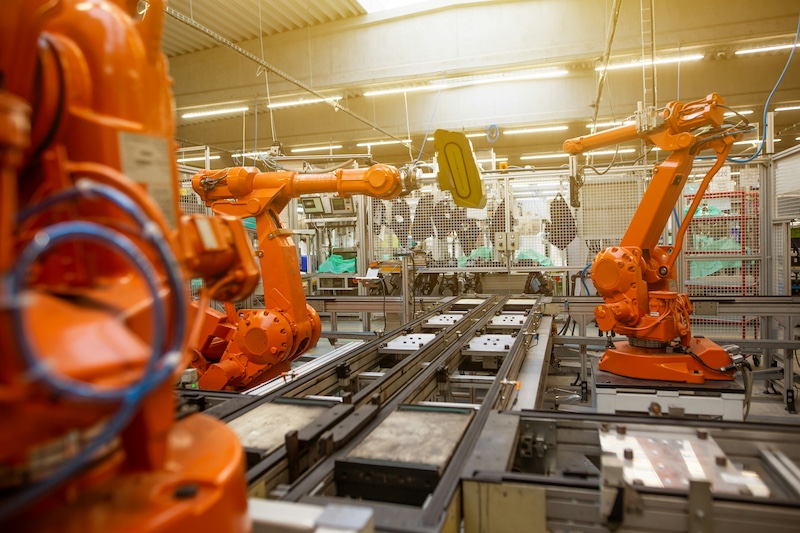
Facilities now use smart tools and software instead of relying only on people to catch mistakes. These systems watch products while they move through factories and look for anything that seems different from the expected condition. They can notice foreign pieces, broken parts, or issues with wrapping before goods leave the building.
Firms also depend on these to avoid problems that could damage their name. When faults are found early, fewer items also need to be pulled back from stores. The information collected further helps teams understand where mistakes happen. Over time, routines become smoother and the quality of goods reaching shelves improves.
Performing Quality Checks
Instead of people trying to pay attention to thousands of pieces every hour, machines help by following clear rules. They quickly judge whether each item is okay to move ahead. Programmed units can also work inside chilled or damp areas where conditions are tough.
In addition, cameras and sensing tools measure the look and feel of each product with a high level of detail. Very small changes that humans could miss are caught and stored in digital files. Having a traceable record of accepted and rejected pieces supports local safety rules. It also gives factories more control over how goods move forward in the process.
Finding Hidden Problems
Visual inspection tools pay extra attention to fast moving lines. They do this by taking pictures and comparing them to stored examples. If something looks the wrong shape or color, the system flags it down instantly. This makes it easier to keep output high without losing sight of quality.
Some types of scanning go deeper than the surface. Hyperspectral or x-ray style checks can see inside sealed packs without opening them. They reveal hidden pieces like bone fragments or bits of metal that could harm someone. Finding these early lowers waste and keeps harmful goods away from consumers.
Channeling Instant Responses
Constant watching means that mistakes are found while they happen. When an item does not match the set pattern, the tool sends it away from the main flow or alerts a worker. This helps keep mistakes from spreading to many other units.
It also keeps production running without long stops to fix errors. All readings are also stored in databases so teams can study them later. Managers see where problems show up most often and change settings or cleaning routines to improve results.
Monitoring Printed Information
Outer wrapping keeps goods fresh and safe until people open them. Solid food and product inspection systems study closures for holes or weak spots and check whether containers are filled to the correct level. Pack information is also reviewed for accuracy.
Expiration dates, barcodes, and lot numbers are compared to digital references to make sure nothing important is missing or unclear. If any writing is wrong or hard to read, the unit can be removed before it leaves the building. Overall, this supports easy tracking and lowers the risk of confusion in stores.
Endnote
Companies using modern systems can handle more pressure from laws and rising demand. They show customers and partners that they care about consistent quality. As these machines improve, proper inspection will become a key part of responsible food production.
