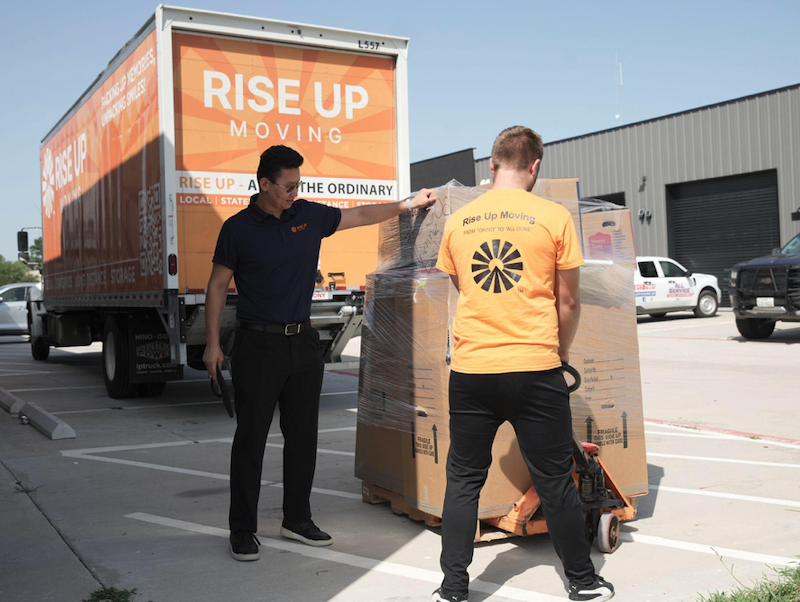
A move from California to Portland crosses a state line, a mountain pass and several days of transit. That is enough distance for a small problem to turn into an expensive one, and enough time on the road that you will want to know exactly who is handling your belongings. Before you sign anything, these six checks are worth the effort.
1. Registration and permits
Interstate household goods movers must be registered with the Federal Motor Carrier Safety Administration, and every legitimate carrier has a USDOT number. A company based in California should also hold a household goods carrier permit from the California Public Utilities Commission, which appears as a CAL-T number.
Ask for both numbers and look them up yourself, starting with the FMCSA’s Protect Your Move resources, rather than taking them on faith. A reputable company hands them over without hesitation.
2. Whether you are dealing with a mover or a broker
Some companies run their own trucks and crews. Others sell the job and pass it to a carrier you have not met. Federal guidance expects a legitimate company to say which it is, so ask directly, and ask who will actually load, drive and unload. Either arrangement can work, but you should know which one you are buying.
3. How the estimate was built
Federal rules require interstate movers to give written estimates, and the type matters. A binding estimate means you pay no more than the quoted amount at delivery as long as the shipment and services match what was estimated. A non-binding estimate is the mover’s best calculation, and at delivery the mover cannot require more than 110 percent of it. Ask for an in-home or video survey, because a number built from a five-minute phone call is a guess dressed up as a quote.
4. Experience on this specific route
Plenty of companies will quote a move to Oregon. Fewer run the corridor regularly. A dedicated California to Portland moving company usually has a better feel for realistic transit times, winter conditions near Siskiyou Summit and delivery logistics in Portland’s older neighborhoods and downtown towers, which tends to produce more accurate quotes and fewer surprises on delivery day. Ask how often they run this lane and who will be handling your shipment.
5. Liability coverage
Interstate movers present two levels of liability: full value protection, and a released-value option that pays 60 cents per pound per article. Under the lower option, a ten-pound speaker that arrives broken is worth $6, whatever it cost you. Ask what is included by default, what the higher level involves, how a claim is filed and how long you have to report damage.
6. Payment terms, deposits and the delivery window
A modest deposit to hold a date is common. Be cautious about a large payment demanded far in advance, or a request to pay the full balance before the truck has left. Ask when payment is due, which methods are accepted and how the final amount is confirmed.
Then get the pickup window and the delivery window in writing. A dedicated truck may deliver within a couple of days, while a shared load can take longer, and a storm near the Siskiyou stretch can push the schedule either way.
Preparing for the Estimate
The more accurately you describe the job, the more reliable the number you get back. Walk through your home and list large furniture, appliances that go with you, items that need special handling and anything stored in a garage, attic or shed. Mention stairs, elevators, long carries and parking at both addresses, including any gated entry in Portland. A survey based on an honest inventory is the foundation of every other check on this list.
Questions Worth Asking on the First Call
A short call can filter out a lot of poor fits before anyone visits your home. Ask how long the company has operated, whether crews are employees or day labor, and whether it handles the move from start to finish. Ask what a typical delivery window looks like for Portland. Clear, confident answers on the first call are a good sign. Vague ones rarely improve later.
Warning Signs
Be cautious of a company that refuses to give a written estimate, quotes without asking what you are moving, pushes you to sign on the spot or cannot give you a physical business address. A company that changes its name often, or has reviews that are all very recent and very similar, deserves a second look. None of these proves a problem alone. Together they are a reason to keep shopping.
Comparing Quotes Fairly
Ask every company to price the same job: the same inventory, the same level of packing, the same protection and the same dates. Look at how each one treats stairs, long carries and shuttle trucks, since those access charges are where quotes drift apart. If two numbers are far apart, ask both companies to walk you through what is included before you decide which is better value.
Get Everything in Writing
Whatever you agree to by phone should appear in the estimate or contract: the date, the crew size, the pricing method, the coverage level and the pickup and delivery windows. Read the terms on fuel, stairs and cancellation. A written record protects both sides, and a company that is reluctant to put terms on paper has already given you an answer.
Putting it Together
None of these checks takes long, but together they separate a routine move from a stressful one. Spend an hour verifying credentials, comparing how each estimate was built and asking every company the same questions. The comparison usually makes the right choice clear.
