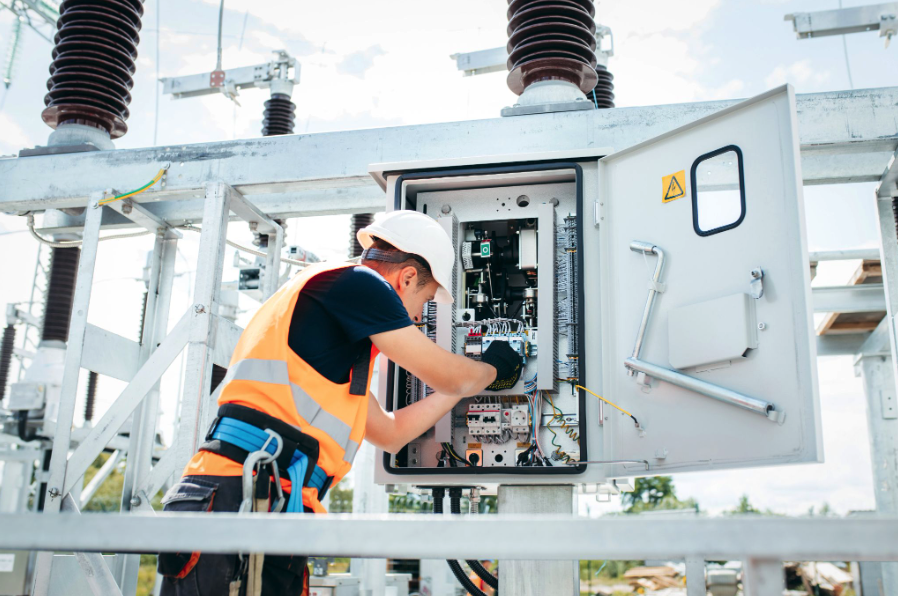
When a breaker keeps tripping every time the toaster and microwave run together, most people react the same way. They search online and call the first company that looks trustworthy.
That company often promises to handle everything: panel upgrades, furnace tune-ups, drain cleaning. However, an expert, like San Jose electrical contractor Fuse Service, is required for an electrical issue, not just the first result that comes up in a search.
Most homeowners lump plumbers, HVAC techs, and electricians together as “the people who come fix the house”. But electrical work runs on its own licensing system. Furthermore, it’s not usually a licensed electrician who comes to fix your wiring. It makes a difference.
What is Electrical Contracting?
Ask three homeowners what electrical contracting is, and you’ll hear three answers. Most will say it’s just “electrician work”. Close, but not quite.
An electrician is a licensed individual. A contractor is a licensed business. They carry liability insurance and workers’ comp if they have employees. In many states, they also have a bond. Plus, they can pull permits in your city.
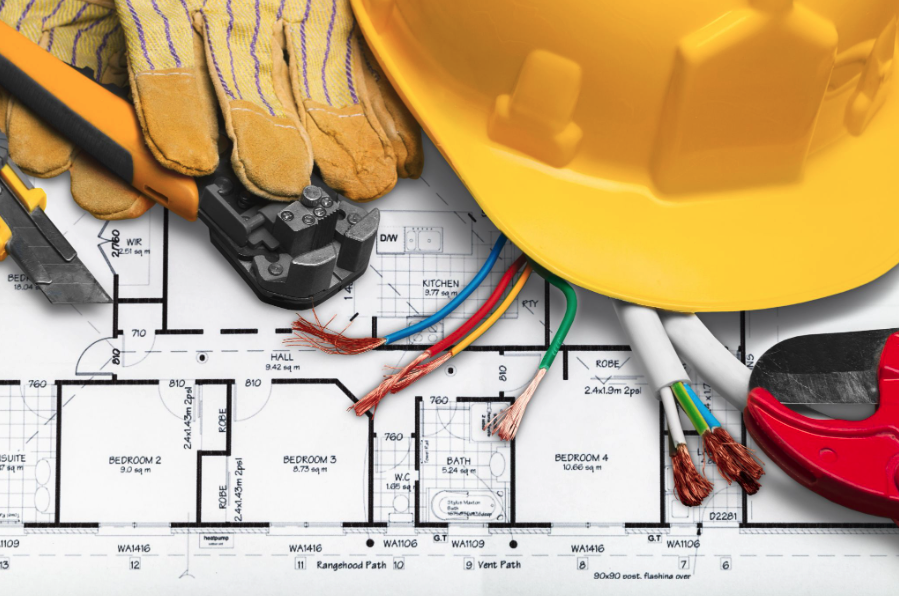
Electrical contracting covers business tasks like estimates, permits, ordering, and staffing. It also involves getting approval from the inspector when they arrive. The electrician does the wiring. The company is responsible for whether that wiring is legal.
Plenty of small outfits are one person wearing both hats. In bigger shops, the license holder might never see your drywall.
What Types of Electrical Contracting Services Are Available?
Residential work breaks into a few buckets that don’t resemble each other on price. Service and repair is the bread and butter: dead outlets, flickering lights, a breaker that won’t stay set, a bathroom GFCI that trips when it rains. One tech, usually under two hours.
Upgrade work is the next tier. Panel replacements, a 240-volt line for an EV charger or a range, new circuits for a kitchen wired in 1974 for a toaster and a radio. Permits almost always apply.
Rough-in and new construction involve different challenges than additions or garage conversions. Total house rewires often happen alongside other crews. Their deadlines don’t change for anyone else’s needs.
Then there’s the challenge of the specialty work in new construction. Generators, pool equipment, surge protectors, and landscape lights all add up. Not every shop does all of it; it’s worth asking before anyone drives out.
When Do You Need an Electrical Contractor?
Not for everything. Swapping a fixture or dimmer can be a good DIY project. Just make sure the circuit is off. Also, avoid any old cloth-insulated wires from the Eisenhower era.
If a permit is required, the panel needs to be opened, or the symptoms don’t correspond with the obvious reason, contact a certified electrical contractor. That last one matters most. Lights dimming as the AC kicks on can signal a capacity problem, not a bulb problem. A warm outlet cover is never normal.
Breakers that trip on a pattern are telling you something. A professional diagnosis should be made as soon as possible for breakers that trip at random. If there is a burning smell, scorch marks, or buzzing at the panel, turn off the circuit and make a call that same day.
How Much Does Electrical Contracting Cost?
Rates can vary drastically by region, so take these figures with a grain of salt. Many shops have different pricing styles. Some charge a flat rate per service. Others bill an hourly rate plus a service call fee. This means the same job can cost a lot more at one shop than another.
Most jobs fall somewhere in the low hundreds. Panel upgrades are the heavy ones, usually four figures, since the equipment, the permit, and the inspection stack on top of labor. EV charger installs depend almost entirely on how far the panel sits from where you park.
Access moves most electrical contracting bills more than the hourly rate does. Open walls are cheap to work in. A finished basement with no attic above it is not.
How Do You Choose the Right Electrical Contractor?
Start with the license number, and check it yourself on your state board’s site. Two minutes. Verify workers’ compensation and insurance. You can still be held accountable if someone is injured in your crawlspace without insurance.
Make sure the scope is in writing and identifies the permit puller. When one bid comes in noticeably cheaper, that missing line is often why.
Ask who’s actually doing the work. Subcontracted crews aren’t automatically a problem, but you want to know. And read the estimate closely. A bid reads: “install two 20A circuits for kitchen counter receptacles, GFCI protected”.
This comes from someone considering your house. A bid that says “electrical work, $2,400” came from someone thinking about your signature.
In conclusion
Choosing wisely becomes simple once the question is not who’s cheapest but rather who’s accountable. The license, the permit, and the scope of work written down will get you out of the van before the van leaves.
Something you should do before calling anybody up is to open the panel door and photograph the label. Breaker sizes, brand, main rating. Half the phone questions get answered from that photo, and you’ll get a straighter estimate for it.
Images courtesy of Magnific
